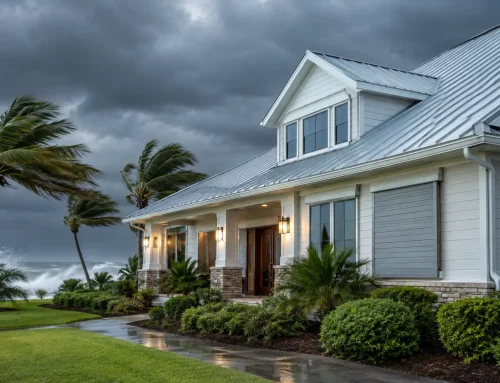

A cracked panel after a windstorm can look like a quick fix – until you notice loose pieces on another wall, moisture near a window, or faded siding that no longer matches. That is where siding repair versus replacement becomes a real decision, not just a pricing question. Homeowners and property managers often want the fastest answer, but the right choice depends on how far the damage goes, what caused it, and whether your siding is still protecting the structure underneath.
Why siding decisions are not always simple
Siding does two jobs at once. It affects curb appeal, but more importantly, it shields the building from wind, rain, heat, and moisture intrusion. When it is damaged, the visible problem is not always the full problem.
A few lifted pieces after a storm may be limited to one section. In that case, a targeted repair can make good sense. But if impact damage, warping, hidden water intrusion, or age-related failure is spread across multiple elevations, replacing isolated spots may only delay a larger issue.
This is especially true after hail or wind events. Storm damage can create punctures, loosen seams, and expose areas where water starts getting behind the siding. From the ground, it may look minor. A close inspection often tells a different story.
Siding repair versus replacement: what changes the answer?
The best decision usually comes down to five things: the extent of damage, the age of the siding, whether matching materials are available, signs of moisture behind the panels, and your long-term plans for the property.
If the damage is small and limited, repair is often the more practical route. If the siding is older, brittle, discontinued, or compromised in several areas, replacement usually brings better value and more dependable protection.
Price matters, of course. But the lowest immediate cost is not always the lowest total cost over the next few years. Repeated patchwork can add up fast, especially if the underlying issue was never fully addressed.
When repair is usually the right call
Repair works best when the damage is isolated and the rest of the siding is in solid condition. That may include a few cracked vinyl panels, a corner section loosened by wind, minor impact marks on one side of the home, or trim damage around a door or window.
In these situations, a repair can restore protection without turning a manageable issue into a major project. This is often the case when the siding is relatively new, the color match is still available, and there is no sign that water has reached the sheathing or wall assembly behind it.
Repair can also be the smart move if the damage came from a single event and was caught early. Fast action matters. The longer exposed areas sit open, the more likely moisture, insects, and rot become part of the problem.
When replacement makes more sense
Replacement tends to be the better option when damage is widespread, repeated, or tied to aging materials. If you are seeing cracks in multiple sections, fading across the entire exterior, warping, bubbling, mold, or soft spots beneath the siding, a local repair may not solve the full issue.
The same goes for homes where matching the existing siding is nearly impossible. A perfect repair on paper can still leave a wall that looks patched, uneven, or inconsistent in color and texture. For many property owners, especially if they are planning to stay in the home, a full replacement provides a cleaner result and fewer future headaches.
Storm restoration also changes the conversation. If high winds have loosened panels in several areas or hail has affected multiple elevations, replacement may be necessary to return the exterior to proper condition. In some cases, insurance coverage may also factor into that decision, especially when the damage is tied to a documented weather event.
The warning signs you should not ignore
Some siding problems are obvious. Others show up inside the house first.
If paint is peeling indoors near exterior walls, if you notice staining around windows, or if there is musty odor after heavy rain, those may point to moisture getting past the siding system. Outside, look for gaps at seams, swollen boards, loose panels, rot around trim, and pieces that rattle or shift during windy weather.
Higher energy bills can also be a clue. Damaged siding does not always mean insulation failure, but once the exterior envelope is compromised, air and moisture movement become harder to control.
These issues do not automatically mean full replacement. They do mean you need a thorough inspection before choosing the cheapest visible fix.
Storm damage makes inspections more important
For many homeowners in Missouri, Illinois, and Florida, siding problems are not just about age. They are often storm-related. Wind can pull panels loose without tearing them off completely. Hail can bruise, chip, or crack siding in ways that are easy to miss. Flying debris can damage one side of the property while leaving the rest looking mostly untouched.
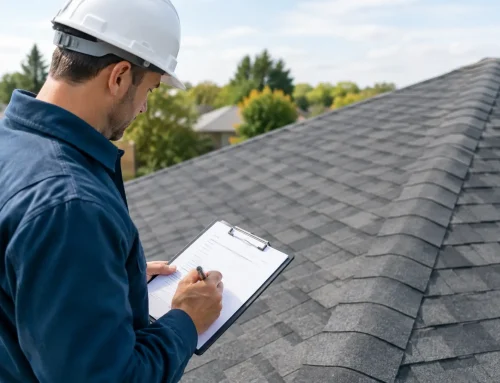
That is one reason storm inspections matter. A proper inspection looks beyond the broken piece you can see. It checks adjacent sections, trim, flashing, moisture exposure, and related exterior systems like roofing and gutters. Damage on one part of the exterior often connects to trouble somewhere else.
If an insurance claim may be involved, documentation matters too. Photos, measurements, and a clear record of the storm-related damage can make the process smoother and help avoid missed items during the adjuster review.
Cost matters, but value matters more
Most property owners start with one question: which option costs less? Repair almost always has the lower upfront price. But that only tells part of the story.
A repair delivers good value when it resolves a contained problem and extends the life of otherwise healthy siding. Replacement delivers better value when repair would be temporary, difficult to match, or likely to be followed by more repairs soon after.
Think about cost in terms of timing and repeat exposure. Paying once for the right solution is often less expensive than paying for several partial fixes, repainting mismatched sections, and dealing with moisture damage later.
There is also resale and appearance to consider. New siding can improve curb appeal and reduce buyer concerns. Even if you are not selling soon, a consistent exterior often gives owners more confidence that the property is properly protected.
How to make the right call for your property
The safest way to decide is to start with condition, not assumption. A professional inspection should answer a few practical questions. Is the damage cosmetic, functional, or both? Is water getting behind the siding? Are the affected materials still available? Is this isolated damage, or part of a broader pattern of wear or storm impact?
Once those questions are answered, the recommendation gets clearer. If a repair will restore protection and appearance without creating future issues, that is usually the right path. If replacement is the more honest answer, you want to know that before putting money into a short-term patch.
This is where contractor integrity matters. You should expect a straightforward assessment, clear photos, and an explanation of what is damaged, what is still sound, and what options make sense for your budget and timeline. If insurance is involved, it helps to work with a contractor who understands storm restoration and can communicate clearly through the claims process. That kind of support can reduce stress when you are already dealing with property damage.
At Crown Exteriors LLC, that is how we approach exterior restoration – by looking at the full picture, explaining the trade-offs clearly, and helping property owners move forward with confidence.
A better question than repair or replacement
Sometimes the real question is not siding repair versus replacement. It is whether the exterior is still doing its job. If the answer is yes, a focused repair may be all you need. If the answer is no, replacement is not overspending – it is restoring protection before a manageable issue turns into structural damage, interior repairs, or a longer insurance battle.
If your siding has been through recent wind or hail, or if you are seeing signs that something is off, trust the inspection before you trust the guess. A clear answer now can save a lot of money and frustration later.
Related Posts
If you enjoyed reading this, then please explore our other articles below: