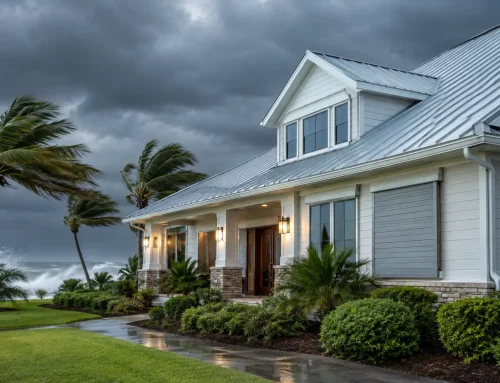

A roof can account for a large portion of what a buyer sees from the curb. That is why choosing the best roof colors for resale is not simply a style decision. The right color can make the exterior look maintained, balanced, and ready for its next owner. The wrong one can make an otherwise attractive home feel dated or harder to coordinate with siding, brick, and landscaping.
If your roof was damaged in a storm and replacement is already on the table, color selection is a practical part of protecting your investment. A new roof should provide dependable performance first, but it can also strengthen the first impression buyers form before they step inside.
What Makes a Roof Color Good for Resale?
For resale, broad appeal generally beats a highly personal statement. Buyers do not all want the same home style, but most respond well to an exterior that feels cohesive and easy to live with. Neutral roof colors tend to give them that confidence.
A resale-friendly roof color should work with the permanent features of the property, including brick, stone, siding, trim, shutters, gutters, and driveway color. It should also make sense for the neighborhood. A roof that looks sharply out of place can draw attention for the wrong reasons, even when the shingles are high quality.
Climate matters, too. Homeowners in Missouri and Illinois often need a color that looks appropriate through changing seasons, from bright summer sun to gray winter days. In Florida, sun exposure and heat may carry more weight in the decision. There is no single color that wins for every property, but there are reliable choices that appeal to the largest pool of buyers.
The Best Roof Colors for Resale
Charcoal and Soft Black
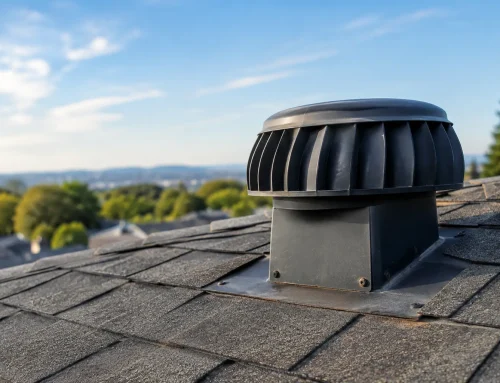
Charcoal is one of the safest roof colors for resale because it is clean, current, and flexible. It pairs especially well with white, light gray, blue, and greige siding, along with many styles of stone and brick. A charcoal roof can give a traditional home a more updated appearance without looking trendy or overly bold.
Soft black can create a similar effect, particularly on homes with crisp white trim or modern exterior details. The trade-off is that very dark shingles can show fading, dust, and debris more readily in some settings. They can also absorb more heat than lighter options, which deserves consideration on homes with significant sun exposure.
Weathered Wood and Warm Brown
Weathered wood blends brown, gray, and tan tones in a way that works with many common exterior materials. It is a dependable choice for homes with beige siding, warm brick, cream trim, natural stone, or wooded surroundings. Because it is variegated rather than a flat solid color, it can also help camouflage everyday dust and minor discoloration.
Warm brown roofs often look especially natural on rustic, craftsman, colonial, and traditional home styles. However, the brown should complement the home rather than compete with it. A roof that is too orange or too red can limit its appeal, especially when paired with cool-toned siding or gray stone.
Medium Gray
Medium gray is a practical middle ground for homeowners who want a classic look without the stronger contrast of charcoal. It works well with cool exterior palettes and remains a popular choice for homes with gray, blue, white, or light beige siding.
This color is also forgiving. It usually hides dirt better than black while creating more definition than a very light shingle. On a home with a lot of visual detail, such as varied brick or decorative trim, medium gray can provide a calm backdrop instead of adding another competing element.
Neutral Tan and Beige
Tan and beige shingles can be excellent choices for homes with warm siding, buff brick, stucco, sandstone, or cream-colored trim. In sunny climates, lighter neutral colors may also be worth considering for their ability to reflect more sunlight than dark shingles.
The key is choosing a balanced neutral rather than a yellow-toned shingle that may feel dated. A modern tan with subtle gray or brown variation tends to have stronger resale appeal. It can make a home feel inviting while still giving future buyers room to update other exterior details in their own style.
Match the Roof to the Home, Not Just the Trend
A popular shingle color is not automatically the right one for your property. The roof should support the exterior’s existing undertones. For example, a home with red brick often looks best with charcoal, weathered wood, or a deep brown that does not clash with the brick. A gray roof can look excellent on a white or blue-sided home, but it may feel cold against strongly warm-toned stone.
Take time to view samples outdoors, not only in a showroom or on a phone screen. Sunlight changes how shingles appear throughout the day. A color that looks dark and rich in a sample board may look lighter across a full roof plane. Cloud cover, tree shade, and nearby landscaping can change the impression as well.
It also helps to look at the largest visual areas first. Siding and roof color should work together before you focus on smaller accents such as shutters or a front door. Those accent colors are easier and less expensive to change later. The roof is the long-term decision.
Consider the Neighborhood and Buyer Expectations
When resale is a priority, look at nearby homes without copying them exactly. You want your house to feel appropriate for the area while still looking cared for. If most roofs on the street are neutral gray, black, brown, or weathered wood, a bright green, red, or blue roof may narrow your buyer pool.
Homeowners associations can add another layer. Some communities require approval for roofing materials or limit available colors. Confirm those guidelines before ordering shingles, especially after storm damage when you want the project moving quickly.
For commercial properties and multifamily buildings, this same principle applies at a larger scale. Roof color should align with the building’s use, local appearance standards, tenant expectations, and maintenance needs. The best choice may prioritize solar reflectivity, visibility of debris, or a consistent brand appearance over residential-style curb appeal.
Do Dark or Light Roof Colors Sell Better?
Neither is automatically better. Dark roofs are popular because they offer contrast and a polished appearance, especially with light siding. They can make a roofline feel more defined and often suit newer farmhouse, traditional, and transitional styles.
Light roofs can be a smart choice in warmer regions or on homes with tan, cream, and stucco exteriors. They may feel less visually heavy and can be more comfortable in strong sun. Still, an extremely light shingle may show staining or algae streaks more easily in humid conditions, depending on the product and surrounding trees.
A medium-depth neutral often provides the broadest compromise. It gives the home dimension, handles changing weather well, and avoids the stronger maintenance and heat considerations that can come with very dark or very light colors.
Your Roof’s Condition Matters More Than the Perfect Shade
Buyers notice color, but they also notice signs of neglect. Missing shingles, uneven lines, visible repairs, granule loss, staining, and sagging can undermine the value of even the most attractive color choice. If a roof is near the end of its service life, replacing it before listing may help prevent inspection concerns and buyer hesitation.
After hail, wind, or heavy rain, damage is not always obvious from the ground. A professional inspection can identify whether the roof, gutters, siding, or related components have been affected. If a covered loss is present, accurate documentation and clear communication with the insurance company can make a stressful process easier to manage.
Crown Exteriors helps property owners evaluate storm-related damage, understand their replacement options, and select shingle colors that fit both the home and their long-term goals. The recommendation should be honest: if repair is the right answer, that should be clear. If replacement is warranted, color selection should feel simple rather than overwhelming.
A Smart Way to Make the Final Choice
Before you commit, view full-size shingle samples beside your siding and brick in natural light. Check them from the street, not just a few feet away. Then consider whether the color will still feel appropriate if you repaint trim, change landscaping, or sell the home within the next several years.
The best resale color is the one that makes your home look well cared for, fits its architectural character, and helps the next buyer picture moving in. When storm damage or age makes a roofing decision necessary, a thoughtful inspection and a neutral, coordinated color can turn a required project into a meaningful improvement.
Related Posts
If you enjoyed reading this, then please explore our other articles below: