
A lot can ride on an insurance adjuster roof inspection. If your home or commercial property was hit by hail, high winds, or falling debris, that visit often shapes how your claim moves forward, what damage gets documented, and whether repairs are approved in full or only in part.
For most property owners, this is where the stress kicks in. You know something happened, you may already see missing shingles or leaks, and now you are expected to talk through technical roof damage with an insurance representative. The good news is that the process does not have to feel confusing when you know what the adjuster is there to do, what they may miss, and how a qualified roofing contractor can help keep the inspection accurate.
What an insurance adjuster roof inspection is really for
An adjuster is sent to evaluate reported damage and connect it to the event listed in the claim. In simple terms, they are looking for evidence. They want to determine whether the roof has storm-related damage, how extensive that damage is, and what repair or replacement scope may be justified under the policy.
That sounds straightforward, but real inspections are rarely that simple. Roof systems are layered. Damage can show up on shingles, flashing, vents, ridge caps, gutters, soft metals, and even interior ceilings if water made its way inside. Some signs are obvious from the ground. Others take a trained eye and close documentation.
An adjuster is not there to provide long-term roofing design advice or to advocate for the property owner. Their role is to assess the loss on behalf of the carrier. Some are thorough and experienced with storm damage. Others are working under tight schedules after major weather events and may only have limited time at each property. That is one reason the inspection itself matters so much.
What adjusters usually look for during a roof inspection
In most cases, the adjuster starts by reviewing the reported date of loss and the type of storm involved. Then they inspect the exterior for visible signs of impact or wind damage. On the roof, they may look for creased shingles, torn tabs, lifted shingles, granule loss, punctures, fractured matting, and damage to accessories like vents or flashing.
They are also paying attention to collateral indicators. Hail often leaves marks on soft metals, gutters, downspouts, window screens, and other exterior surfaces. Wind may leave behind displaced shingles, broken seal strips, or debris patterns that support the claim. If there is interior leaking, ceiling stains or attic moisture may also become part of the documentation.
What they find can affect more than the initial estimate. It can influence whether the carrier sees the issue as a repairable section, a full replacement, or a denied claim due to wear and tear, age, installation defects, or excluded causes. That is where details matter.
Why roof damage is sometimes missed
Storm damage is not always dramatic. A roof can be compromised without having large holes or obvious collapse. Hail bruising can be subtle. Wind damage can break a seal or crease a shingle in ways that are easy to overlook unless someone physically checks the slope and tests the affected areas.
There is also a difference between spotting damage and interpreting it correctly. An adjuster might see granule loss and consider it age-related, while a contractor with storm restoration experience may identify directional wind creasing consistent with the weather event. Both parties are looking at the same roof, but their conclusions may differ.
Steep roofs, complex rooflines, older materials, and mixed signs of wear can make the inspection harder. Commercial roofing adds another layer of complexity because membrane systems, drainage patterns, rooftop equipment, and seam conditions all require a different type of evaluation than a standard asphalt shingle roof.
Why it helps to have a contractor present
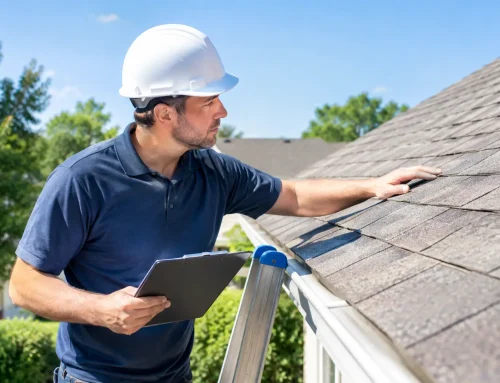
When a trusted roofing contractor is present for the insurance adjuster roof inspection, the goal is not conflict. The goal is clarity. A contractor can point out documented storm-related damage, identify test squares or affected elevations, and make sure no major areas are skipped.
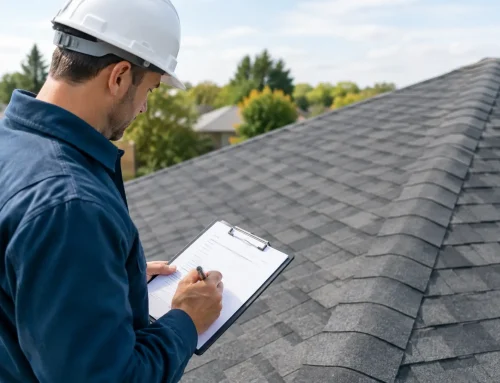
This matters because claims are built on evidence. Photos, measurements, slope notes, and material observations all support the final scope. If the contractor already performed a detailed storm inspection before the adjuster arrives, they can compare findings in real time and ask questions if something significant is left off the report.
That does not mean every claim becomes a full replacement. Sometimes the right answer is a targeted repair. Sometimes the damage is real but limited. Honest guidance is important here. A dependable contractor should tell you what they see, explain where the damage is and is not, and help you understand whether the roof can be repaired safely or whether replacement makes more sense under building code, material matching, or overall system integrity.
How to prepare before the adjuster arrives
A little preparation can make the inspection smoother. If it is safe to do so, gather the date of the storm, any photos you took right after the event, and notes about leaks, ceiling stains, or debris you found around the property. If emergency tarping or temporary repairs were done, keep those records too.
Make sure the adjuster has access to all affected areas, including the garage, attic, fenced yard, or any interior rooms with water intrusion. If you own a commercial property, access to maintenance logs or previous repair records can also help establish the condition and timeline.
It is also smart to schedule your roofing contractor to be there at the same time. That way, the inspection is not based on one set of observations alone. If there are questions about material type, code-related requirements, or repair feasibility, they can be discussed on site instead of becoming a back-and-forth later.
What happens after the inspection
After the visit, the adjuster typically prepares an estimate or report for the insurance carrier. That document may include the areas of damage, the recommended scope of repair, and pricing based on estimating software commonly used in the industry. If the claim is approved, you may receive paperwork that breaks out actual cash value, recoverable depreciation, and deductible responsibilities.
This is the point where many property owners assume the process is finished. Often, it is not. The first scope is not always complete. Items can be omitted, measurements can be off, or code-required components may not be included initially. If your contractor identifies missing line items or additional damage during the build, supplements may need to be submitted.
That is normal in storm restoration. Roofing projects uncover conditions that are not always visible during a brief field inspection. The key is having clean documentation and a contractor who knows how to communicate those findings professionally.
Common issues that can affect your claim
One of the biggest problems is waiting too long. Delays can make it harder to tie damage to a specific storm event, especially if more weather rolls through and changes the roof condition. Another issue is assuming a denied or underpaid claim is automatically final. Sometimes the issue is not that damage does not exist. It is that the original inspection did not capture enough supporting evidence.
Policy language matters too. Coverage can vary based on age, endorsements, deductible structure, and whether the loss involves cosmetic or functional damage. Matching laws and local code requirements can also influence what should be included. That is why broad advice from neighbors or online forums only goes so far. Your roof, your policy, and your storm history all matter.
Choosing the right help after storm damage
The best time to get expert support is early, before the claim becomes a paperwork problem. A contractor experienced in storm restoration can inspect the roof thoroughly, document damage clearly, meet with the adjuster, and explain your options without adding confusion.
That kind of support is especially valuable when you are balancing more than just shingles. You may also be dealing with damaged gutters, siding, fascia, or interior water issues. A coordinated inspection helps connect the full picture of the loss so nothing important gets left behind.
For property owners who want a straightforward process, that is where working with a restoration-focused contractor makes a difference. At Crown Exteriors LLC, the goal is to reduce stress, document the damage honestly, and help move the claim and repair process forward with clear communication at every step.
If a recent storm left you wondering what the adjuster will find, do not wait for a leak to get worse or for paperwork to become harder to fix. A careful inspection now can save time, protect your claim, and give you a clearer path to getting your property back in shape.
Related Posts
If you enjoyed reading this, then please explore our other articles below: