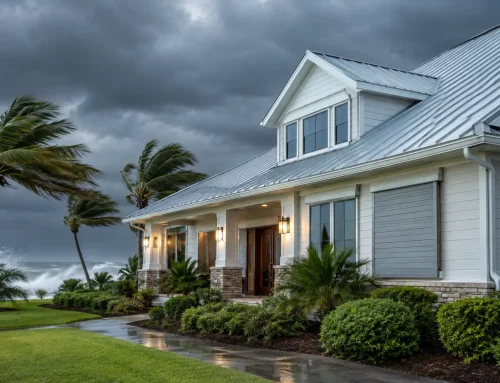

A missing shingle after a windstorm may look like a simple fix. A ceiling stain may suggest something more serious. The roof repair vs roof replacement decision comes down to what caused the damage, how far it extends, the roof’s age, and whether the system can still protect your property reliably.
The right answer is not always the lower upfront price. A small, well-contained issue can often be repaired and monitored. But repeatedly patching an aging roof or overlooking widespread storm damage can lead to leaks, interior damage, and larger costs later. A professional inspection gives you the facts needed to make a confident decision.
When Roof Repair Is the Right Choice
Roof repair is often the practical option when damage is limited to one area and the rest of the roofing system remains in good condition. This could include a few wind-blown shingles, a localized flashing issue around a vent or chimney, a minor leak, or damage caused by a small falling branch.
A quality repair should address the source of the problem, not simply cover the visible symptom. For example, replacing shingles without correcting damaged underlayment, exposed fasteners, or failed flashing may only delay the next leak. The repair needs to blend with the existing roof and restore the water-shedding layers beneath the shingles.
Repairs generally make sense when the roof is relatively new, has years of expected service life remaining, and shows no broad pattern of deterioration. They can also be appropriate when a specific non-storm issue is caught early. Acting quickly matters. Water that enters through a small opening can affect roof decking, insulation, drywall, and framing long before a stain appears indoors.
There are trade-offs. Shingle colors can fade with age, so a repaired section may not be a perfect visual match. In addition, some older or discontinued shingle lines are difficult to match at all. An honest contractor should explain that possibility before work begins.
Signs a Full Roof Replacement May Be Safer
Replacement becomes the stronger long-term choice when damage is widespread, the roof is near the end of its service life, or repairs would only create a patchwork solution. A roof can look acceptable from the ground while having enough wind lifting, hail impacts, granule loss, or aging seals to compromise its performance.
Pay close attention to these conditions:
- Multiple areas of missing, creased, cracked, or lifted shingles
- Hail damage across several slopes, including bruised shingles or heavy granule loss
- Frequent leaks or repeated repairs in different parts of the roof
- Soft decking, sagging areas, rotted fascia, or water damage in the attic
- A roof approaching or beyond its expected lifespan, especially after a major storm
Replacement is also worth considering when the roof has been repaired several times over a short period. One repair can be sensible. Paying for a new repair every storm season can become more expensive than investing in a complete system designed to work together.
A full replacement gives the contractor an opportunity to inspect the decking, replace damaged materials, install proper underlayment and flashing, and ensure ventilation components are functioning as intended. It also gives homeowners more control over shingle color, curb appeal, warranty coverage, and the long-term condition of the property.
Roof Repair vs Roof Replacement After a Storm
Storm damage adds another layer to the decision. High winds can break the adhesive seal beneath shingles or crease them in ways that may not be obvious from the ground. Hail can weaken the protective surface of shingles, while wind-driven rain can expose flashing weaknesses around chimneys, skylights, vents, and roof-to-wall transitions.
After a storm, do not assume that a few visible missing shingles represent the full extent of the damage. Likewise, do not assume a full replacement is necessary just because a storm occurred. The proper path starts with a thorough inspection of all roof slopes, accessories, gutters, siding, and other exterior components that may show related damage.
If the damage is isolated, a repair may restore the roof effectively. If the inspection reveals qualifying damage across the system, replacement may be the more appropriate recommendation. For covered losses, an insurance carrier may determine whether repair or replacement is supported under the policy and the documented damage. Coverage, deductibles, exclusions, depreciation, and policy terms vary, so no contractor should promise a claim outcome before the facts are reviewed.
Crown Exteriors helps property owners document storm-related damage, understand the scope of work, and communicate clearly during the insurance claim process. That support can be especially valuable when you are trying to protect your home while managing adjuster appointments, paperwork, and repair decisions.
Cost Is Important, but It Is Not the Only Number
The cost of a repair is usually lower than the cost of a replacement because it involves less material and labor. But the lowest immediate cost is not always the best value. Consider how much useful life the roof has left, whether the repair is likely to hold, and whether further work is likely within the next few years.
For example, repairing a ten-year-old roof with a few missing shingles can be a smart investment if the roof is otherwise healthy. Repairing a twenty-year-old roof with multiple leaks, brittle shingles, and widespread storm damage may put good money into a system that is already failing.
Commercial property managers face a similar calculation, often with added concerns about tenant disruption, equipment protection, and maintenance budgets. A targeted repair can be ideal for a localized issue. However, a full replacement may reduce recurring service calls and provide a more predictable maintenance outlook for a building with broad roof deterioration.
Ask for a clear explanation of both options. A trustworthy estimate should identify the damaged areas, describe the recommended work, outline material choices, and explain why repair or replacement is being advised. If insurance is involved, the scope should also distinguish between observed damage and work approved by the carrier.
Age, Materials, and Past Work Matter
Roof age is useful context, but it should not be the only deciding factor. Some roofs age prematurely because of poor ventilation, installation problems, severe weather, or inadequate drainage. Others remain in good condition longer than expected because they were installed correctly and maintained consistently.
The roofing material matters as well. Asphalt shingle roofs are common throughout Missouri, Illinois, and Florida, but their performance can be affected by regional weather patterns. Wind exposure, hail, heat, humidity, heavy rain, and temperature swings each place different demands on a roof. The details around penetrations and edges are often just as important as the shingles themselves.
Past repairs deserve a close look. A roof with one well-executed repair is different from a roof with several mismatched patches, exposed caulk, or recurring leaks. Those prior repairs can reveal whether the problem was isolated or whether the roofing system is reaching the point where replacement is the more dependable option.
What to Expect From a Professional Inspection
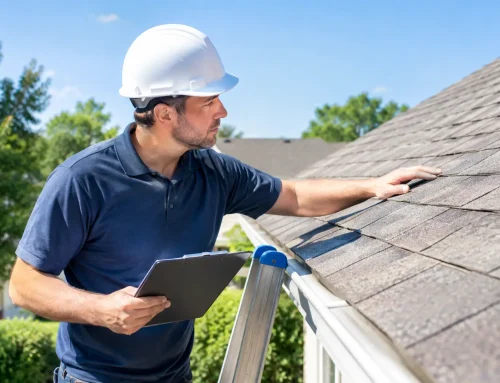
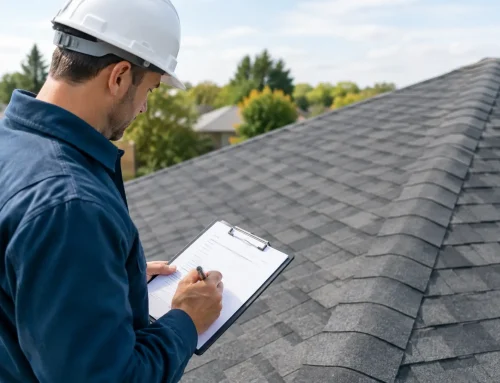
A proper inspection should be straightforward, not high-pressure. Your contractor should assess the roof surface, flashing, vents, valleys, ridge areas, gutters, and signs of water intrusion. When accessible and safe, the attic can provide important evidence of active leaks, moisture, inadequate ventilation, or decking concerns.
You should leave the inspection understanding three things: what is damaged, what needs attention now, and whether repair or replacement is the better fit for your property. Photos and plain-language explanations are helpful, particularly after a storm when damage may be difficult to see from the ground.
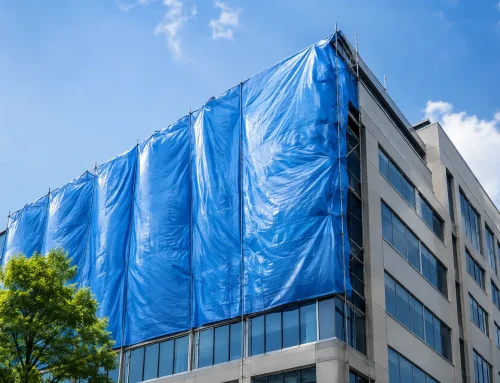
If emergency protection is needed, temporary tarping can help limit additional water intrusion while the damage is evaluated. This is not a permanent repair, but it can protect the property and create breathing room to make a sound decision.
Choose the Solution That Protects the Whole Property
Do not let a small roof concern sit through another heavy rain or wind event. A timely inspection can confirm that a simple repair is enough, or identify damage that makes replacement the more responsible investment. The goal is not to sell more work than you need. It is to give you a clear path forward, protect the property you have worked hard to maintain, and help you move ahead with confidence.
Related Posts
If you enjoyed reading this, then please explore our other articles below: