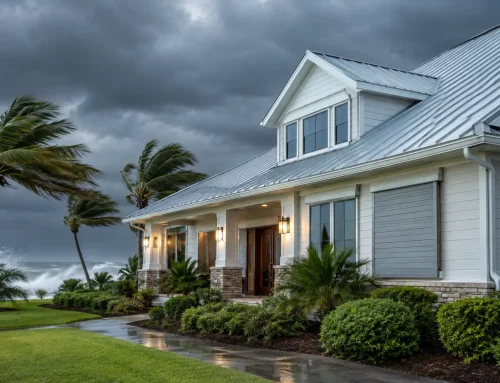

A storm can expose small exterior problems in a matter of minutes. A lifted shingle, loose gutter, cracked siding panel, or overgrown branch may not seem urgent on a calm day. During high winds, heavy rain, hail, or hurricane conditions, those weak points can allow water into the home and turn a manageable repair into a major restoration.
A storm proof home exterior is not about making a property indestructible. No material can guarantee zero damage in every weather event. It is about reducing the risk of water intrusion, wind damage, and costly repairs by making smart improvements before the forecast turns severe.
Start With the Roof
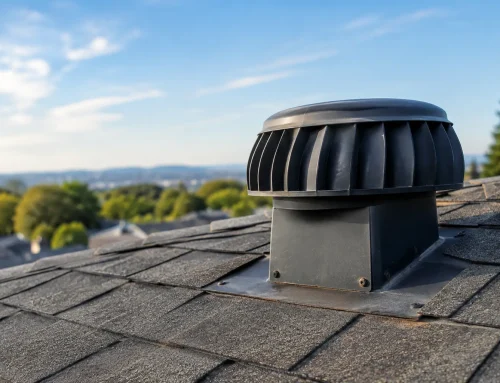
Your roof is the first line of defense against wind, rain, hail, and flying debris. It also works as a complete system, not just a layer of shingles. Shingles, underlayment, flashing, ventilation, pipe boots, and roof decking must work together to keep water out.
After a storm, homeowners often look for missing shingles. That is a clear warning sign, but it is not the only one. Hail can bruise or crack shingles without creating an obvious leak right away. Wind can break the seal between shingles, leaving them vulnerable during the next storm. Damaged flashing around chimneys, valleys, skylights, and vents can also let water enter where the roof is most exposed.
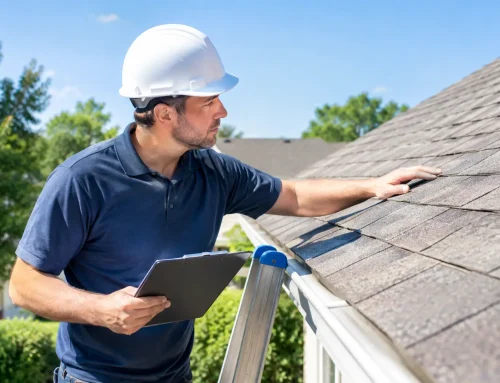
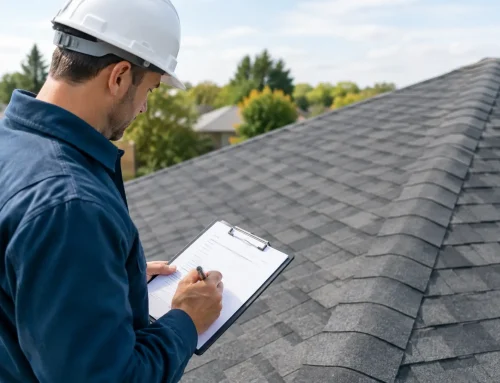
A professional roof inspection is one of the most practical ways to identify these issues early. An experienced inspector can document storm-related damage, distinguish it from normal aging, and explain whether a targeted repair or full replacement makes better financial sense.
Choose Materials for Your Weather Risks
The best roofing material depends on your region, roof design, budget, and local building requirements. In Missouri and Illinois, hail and strong straight-line winds are common concerns. In Florida, wind resistance, moisture management, and hurricane-related requirements often take priority.
Impact-resistant shingles can be a strong option in hail-prone areas. They are designed to better withstand impacts than standard shingles, though they can still sustain damage in a severe event. Proper installation matters just as much as the shingle itself. High-quality materials cannot perform as intended if flashing is poorly installed, ventilation is inadequate, or shingles are not secured correctly.
Ask about manufacturer warranties, wind ratings, and the full installation process. A lower upfront price is not always the best value if it leaves important protective details out of the scope.
Protect the Edges of Your Home With Siding
Siding does more than improve curb appeal. It acts as a weather barrier that protects wall systems from wind-driven rain and moisture. Cracked panels, loose trim, gaps around windows, and deteriorated caulk can create entry points for water and pests.
Vinyl, fiber cement, engineered wood, and metal siding all offer different benefits. Vinyl is widely used and budget-friendly, but it can crack in cold conditions or under impact. Fiber cement offers excellent durability and is often valued for its resistance to fire, moisture, and pests, but it requires proper installation and periodic paint maintenance. The right choice depends on the property, local climate, and the maintenance level you are comfortable taking on.
Pay close attention to trim, corners, and areas around doors and windows. These are common places for wind-driven rain to work behind the siding. If you see buckling, warping, loose panels, or staining inside the home near exterior walls, schedule an inspection rather than waiting for the problem to grow.
Keep Gutters and Drainage Working
Gutters are easy to overlook until water starts pouring over the edge of the roof. Yet a clogged or poorly sloped gutter system can send water toward the foundation, behind fascia boards, and into landscaping that should be directing water away from the structure.
For a more storm-resistant exterior, gutters should be securely fastened, properly sized, and free of leaves, shingle granules, and debris. Downspouts need to carry water away from the foundation. If water pools near the home after rain, extensions or drainage improvements may be needed.
Gutter guards can reduce routine buildup, especially around mature trees, but they are not maintenance-free. Debris can still collect on top of guards or at downspout openings. A quick visual check after major storms can help you spot sagging sections, loose fasteners, and overflow before they lead to wood rot or foundation concerns.
Do Not Ignore Soffit, Fascia, and Flashing
Some of the most important storm-protection components are not highly visible from the street. Soffit and fascia help protect the roof edge and support proper attic ventilation. Flashing directs water away from vulnerable roof transitions. When these components fail, moisture can travel into areas that are difficult to see and expensive to repair.
Look for peeling paint, soft wood, dark staining, gaps, or sections that appear loose. These signs may point to gutter overflow, roof leaks, or aging materials. In high winds, loose fascia and soffit can become a larger problem quickly because wind can get underneath the roof edge.
A qualified exterior contractor can inspect these details as part of a broader roof and storm-damage evaluation. Addressing a small flashing or fascia repair early is usually far easier than repairing hidden rot later.
Make the Property Safer Before Severe Weather Arrives
A storm proof home exterior also includes the space around the house. Wind can turn ordinary yard items into hazards. Keep outdoor furniture, grills, planters, trash bins, and decorations secured or stored when severe weather is expected.
Trees deserve attention as well. Healthy, well-maintained trees add value and shade, but dead limbs and branches hanging over the roof can become dangerous during high winds. Have questionable trees evaluated by a qualified tree professional, particularly if limbs are close to the roofline, power lines, or vehicles.
Walk the property at least twice a year and after major storms. Check for loose fence panels, damaged screens, unsecured shutters, cracked concrete, and anything that may trap water near the foundation. These small observations help you plan repairs before they become urgent.
Prepare for the Insurance Side of Storm Damage
Even a well-maintained home can be damaged by a strong storm. Preparation makes the insurance process less stressful and gives you a clearer record of your property’s condition.
Keep photos of your roof, siding, gutters, windows, and outdoor structures before storm season. Save receipts and records for major improvements, repairs, and replacement materials. If a storm causes visible damage, take photos from the ground when it is safe to do so. Avoid climbing on the roof yourself, especially when surfaces are wet or damaged.
Report potential damage to your insurance carrier promptly and schedule a professional inspection. A thorough contractor can document relevant findings and help you understand the next steps before an adjuster visit. Crown Exteriors LLC provides hands-on storm restoration support, including inspections, damage documentation, and communication during the insurance-claim process.
Be cautious of anyone who promises a claim outcome before inspecting the property or pressures you to sign paperwork immediately after a storm. A dependable contractor should explain the condition of your exterior clearly, answer questions directly, and provide an honest recommendation based on what the property needs.
When Repair Is Enough and When Replacement Makes Sense
Not every damaged roof or siding system needs full replacement. A localized repair may be appropriate when damage is limited, the existing materials are in good condition, and matching materials are available. Repair is often the right choice for a few damaged shingles, a small flashing issue, or a loose gutter section.
Replacement may make more sense when storm damage is widespread, the roof is nearing the end of its service life, repeated repairs are adding up, or matching materials are no longer available. Your contractor should walk you through both options, including the expected scope, material choices, warranty coverage, and how each choice affects long-term protection.
The goal is not to overspend. It is to make a decision that protects the building, supports your insurance documentation when applicable, and avoids leaving hidden damage behind.
A stronger exterior begins with knowing what condition it is in now. Schedule an inspection before the next major storm, address the small vulnerabilities you find, and keep a trusted restoration partner’s contact information where you can reach it when weather changes fast.
Related Posts
If you enjoyed reading this, then please explore our other articles below: