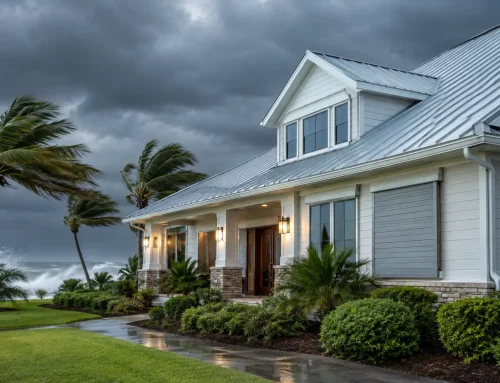

A roof usually gets your attention after a storm, not before it. That is why an impact resistant shingle review matters most when you are deciding whether to replace a damaged roof, file a claim, or upgrade before the next round of hail and wind shows up.
For many homeowners, the question sounds simple: are impact resistant shingles worth it? The real answer depends on where you live, how often your property sees hail, what your insurance carrier offers, and whether the rest of the roofing system is installed correctly. The shingle matters, but so does the contractor, the ventilation, the underlayment, and how storm damage is documented.
What impact resistant shingles are actually designed to do
Impact resistant shingles are asphalt shingles engineered to better handle strikes from hail and wind-driven debris. Most are built with a polymer-modified asphalt blend or reinforced backing that helps the shingle flex instead of cracking when hit.
That does not mean they are damage-proof. It means they are built to reduce the kind of fractures, tears, and granule loss that can shorten the life of a standard roof after a storm. In practical terms, they may help your roof hold up better during moderate hail events, and they can reduce the chances of premature failure after repeated impacts.
The rating most homeowners hear about is Class 4. That rating comes from a lab test where steel balls are dropped from set heights to simulate impact. A Class 4 shingle has passed the highest common impact-resistance standard for residential asphalt shingles. It is a useful benchmark, but it is still a lab test. Real hailstorms involve angles, wind speed, roof age, attic heat, and different slopes, so field performance can vary.
Impact resistant shingle review – the real pros and cons
The biggest advantage is straightforward: better storm durability. In hail-prone areas, that can mean fewer repairs, fewer leaks, and fewer situations where a roof that looks mostly fine is hiding bruising or fractured mat damage.
Another benefit is insurance value. Some carriers offer premium discounts for qualifying Class 4 roofs. In the right situation, that discount helps offset the higher upfront cost over time. Some homeowners also like the added peace of mind during storm season, especially if they have already dealt with one difficult claim.
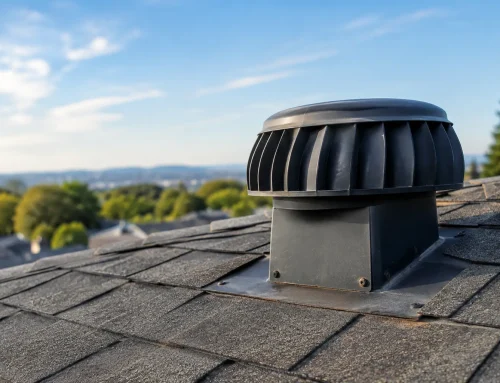
There are trade-offs. Impact resistant shingles usually cost more than standard architectural shingles. Depending on the brand and product line, that premium can be meaningful. They also do not eliminate the need for inspections after severe weather. A Class 4 roof can still be damaged by large hail, poor installation, or other failing roof components such as flashing, ridge vents, or pipe boots.
Appearance is usually not a downside anymore, but product lines differ. Years ago, some impact resistant options looked bulkier or had fewer color choices. Today, many manufacturers offer styles that look very close to standard architectural shingles, though color availability still varies by region and supplier.
What separates a good product from a smart roof investment
A strong impact resistant shingle review should not stop at brand marketing. Homeowners make better decisions when they look at the whole roof system.
Start with the material composition. Polymer-modified asphalt shingles tend to perform better under impact because they are more flexible. Reinforced backing can also improve resistance to splitting. Next, look at the wind rating and warranty terms. A shingle that handles hail better but underperforms in high wind may not be the best fit in coastal or hurricane-prone areas.
Then consider local weather patterns. In Missouri and Illinois, hail and wind often drive the conversation. In Florida, impact resistance still matters, but wind uplift ratings and code compliance can carry even more weight. The best product in one state is not always the best choice in another.
Installation quality may be the biggest factor of all. A premium shingle installed incorrectly can fail early. Nail placement, starter shingles, flashing details, underlayment selection, and attic ventilation all affect how well the roof performs after a storm. That is one reason storm restoration contractors pay attention to more than just the shingle wrapper.
How Class 4 shingles perform in the real world
Homeowners often expect a Class 4 roof to come through every storm untouched. That expectation sets people up for frustration. Class 4 is best understood as improved resistance, not immunity.
In smaller hail events, these shingles often do very well. They may show less visible bruising and maintain their protective surface longer than standard shingles. In larger hail events, especially when hailstones are dense, wind-driven, or hitting an older roof, damage can still occur. Soft metals, gutters, screens, and siding may show obvious impacts even when roof damage is less visible.
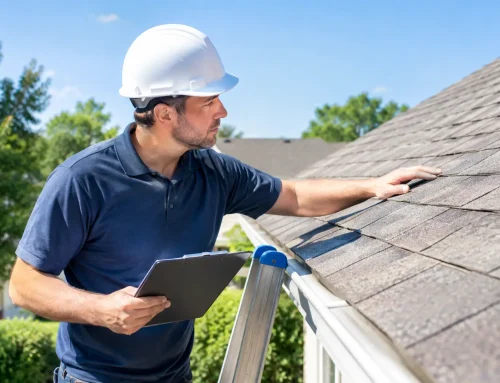
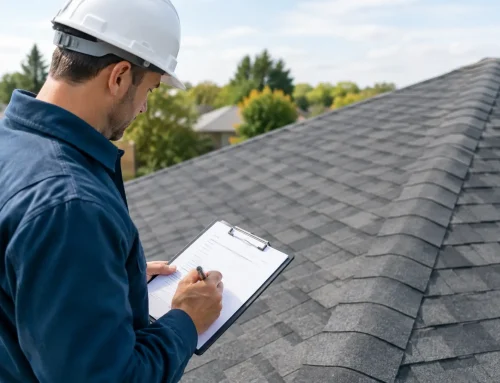
This is where professional inspection matters. Some hail damage is subtle. A homeowner may not see it from the ground, but a trained inspector may find granule loss, fractured backing, displaced shingles, or collateral storm indicators that support a larger pattern of damage.
Cost versus long-term value
The price difference between standard architectural shingles and impact resistant shingles varies by manufacturer, roof size, region, and labor conditions. In many cases, homeowners pay a noticeable premium, but not always enough to make the upgrade unrealistic during a full replacement.
Whether that premium is worth it depends on your risk. If your neighborhood sees hail every few years, the math often looks better. If your insurance carrier offers a discount, that helps. If you plan to stay in the home for a long time, durability becomes more valuable. If you are replacing a roof because of storm damage and want a stronger system moving forward, upgrading can make a lot of sense.
If you live in an area with minimal hail history, the value case may be weaker. You may still choose impact resistant shingles for peace of mind, but the financial return may be less obvious.
Questions to ask before you choose a product
Not every Class 4 shingle is equal in feel, warranty support, or regional performance. Ask what specific product is being proposed, not just whether it is impact resistant. Ask how it performs in your climate, what colors are available, and whether your insurer recognizes that product for any available discount.
It is also smart to ask how storm damage will be documented if another severe event happens. That matters because insurance claims often depend on thorough inspection notes, photos, test squares when appropriate, and a contractor who understands how to communicate findings clearly.
If you are comparing bids, make sure the scope is truly equal. One quote may include upgraded underlayment, starter, ridge components, and ventilation corrections while another only changes the field shingles. Those details affect both price and performance.
When an impact resistant upgrade makes the most sense
An upgrade is usually easiest to justify after storm damage, when the roof is already being replaced and the homeowner wants better protection going forward. It also makes sense for properties in hail-heavy areas, homes with repeated claim history, and owners who prefer a longer-view approach over the lowest initial price.
Commercial property managers may also benefit, especially when roof disruptions affect tenants, operations, or maintenance budgets. Reducing the chance of repeated storm-related repairs can be worth more than the material premium alone.
For homeowners working through an insurance claim, this is a good time to talk through options carefully. Some upgrades may involve out-of-pocket cost beyond the approved scope, while others may be easier to fold into a planned replacement. A contractor with claim experience can help clarify what is covered, what is optional, and what is likely to deliver value on your specific property.
Our honest take on impact resistant shingles
If you want a plain answer in this impact resistant shingle review, here it is: for many storm-exposed properties, they are a smart upgrade. Not because they make your roof invincible, but because they can improve durability where standard shingles are more likely to bruise, crack, or age faster after hail.
They are not the right answer for every budget or every market. But for homeowners who have already seen what one bad storm can do, paying more for a stronger roof system often feels less like an upgrade and more like common sense.
The best next step is not guessing from the driveway. It is getting the roof inspected, understanding how much damage is present, and comparing replacement options based on your weather exposure, insurance situation, and long-term plans. A good roof should protect your property, but it should also reduce stress the next time the forecast turns ugly.
Related Posts
If you enjoyed reading this, then please explore our other articles below: