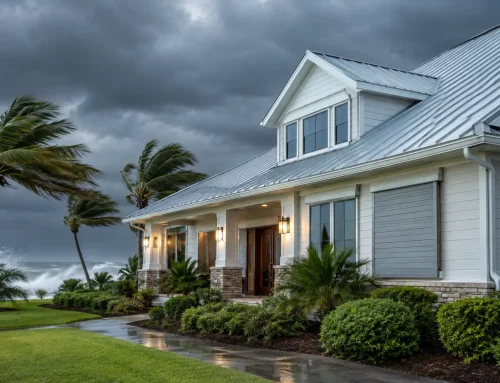

A roof replacement usually becomes real the moment you spot water on a ceiling, shingles in the yard, or hail marks after a storm. At that point, a residential roof replacement guide is not about theory. It is about protecting your home, avoiding costly delays, and making smart decisions under pressure.
For most homeowners, replacing a roof is not something you do often enough to feel confident about the process. That is why clear expectations matter. The right contractor should help you understand what needs to be replaced, whether insurance may apply, how materials compare, and what the job timeline will look like from inspection to final cleanup.
When a roof replacement makes sense
Not every roof problem means you need a full replacement. Some issues can be handled with a targeted repair, especially if damage is limited to one section and the rest of the system is still in good shape. A small area of missing shingles or a flashing issue around a vent may not justify replacing the entire roof.
That said, there are situations where replacement is the better long-term decision. Widespread storm damage, repeated leaks, significant granule loss, curling or cracked shingles, soft decking, or an aging roof near the end of its service life are common examples. If repairs keep stacking up, the cheaper option today can turn into the more expensive option over the next two or three years.
Storm damage changes the equation. Hail and wind can weaken the roof in ways that are not obvious from the ground. A roof may still look mostly intact to a homeowner but have enough compromised shingles or hidden damage to justify an insurance-backed replacement. That is where a professional inspection matters.
Residential roof replacement guide: start with an inspection
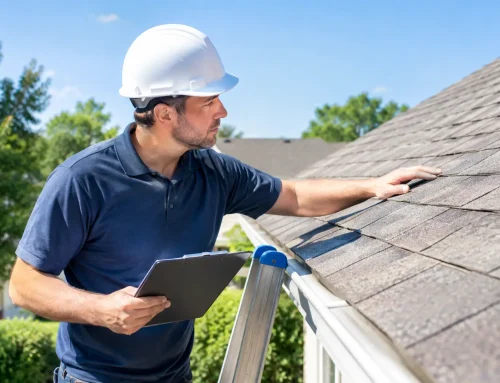
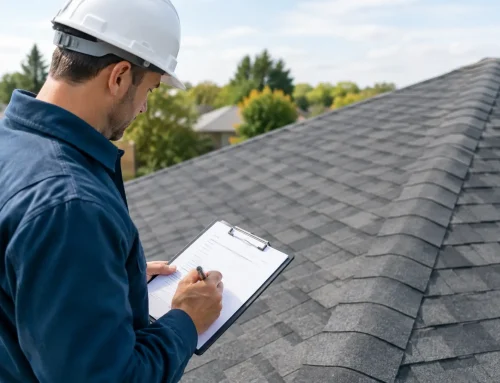
The first step should always be a full roof inspection, not a guess based on one leak or a neighbor’s opinion. A qualified contractor should inspect the shingles, flashing, vents, valleys, underlayment conditions where visible, and the decking if access allows. They should also look at related exterior components such as gutters, siding lines, and attic ventilation because roof problems often connect to more than one part of the system.
If the damage appears storm-related, documentation becomes just as important as the inspection itself. Photos, measurements, test squares for hail, and written notes can make a major difference if an insurance claim is involved. Homeowners are often told to file a claim before they even know whether damage is sufficient. That can create unnecessary stress. A better approach is to get a professional assessment first so you understand what you are dealing with.
An honest contractor will tell you if repair is enough. They will also explain when replacement is the safer path and why.
What to expect if insurance is involved
Many roof replacements happen after wind or hail events, and homeowners are often unsure how the claims process works. In simple terms, your insurance carrier may cover damage caused by a sudden event, but it generally will not cover wear and tear from age or lack of maintenance.
This is where details matter. If your roof has storm damage, your contractor should be able to document the loss and explain what they found in plain language. In many cases, they can also meet with the adjuster, review the scope, and help make sure the documented damage reflects what is actually needed to restore the property.
That support can save time and reduce mistakes. It does not guarantee claim approval, because the carrier makes that decision, but it does help homeowners avoid walking into the process unprepared. If you are already juggling leaks, interior concerns, and family schedules, having someone manage the roofing side carefully is a real advantage.
Choosing the right roofing material
For most homes, asphalt shingles remain the most practical replacement option. They are cost-effective, widely available, and come in a range of colors and profiles. Architectural shingles are a common choice because they offer better visual depth and generally better durability than basic 3-tab shingles.
Not every roof should be treated the same, though. The best material depends on your budget, local weather exposure, home style, and how long you plan to stay in the house. In hail-prone or high-wind regions, upgraded impact-resistant or higher-wind-rated shingles may be worth the added cost. In hot climates, color selection can also affect heat absorption and curb appeal.
This is one area where homeowners should ask direct questions. What manufacturer is being used? What warranty applies to the materials? Is the contractor certified to offer enhanced manufacturer-backed coverage? Are accessories like starter shingles, ridge cap, underlayment, and ventilation components part of the full system or treated as optional add-ons? A roof is not just shingles. It is a system, and weak points usually show up where corners were cut on the supporting parts.
The parts of the job homeowners should understand
A quality roof replacement starts before the first shingle is removed. Property protection should be part of the plan, especially around landscaping, driveways, pools, patios, and HVAC equipment. Tear-off should be thorough enough to reveal hidden issues, not rushed to keep the schedule moving.
Once the old roofing is removed, the contractor can inspect the decking. If rotten or soft wood is found, it needs to be replaced before new materials go on. Some homeowners are surprised by this cost, but skipping damaged decking only shortens the life of the new roof.
Underlayment, flashing, pipe boots, starter courses, field shingles, ridge ventilation, and cleanup all matter. Proper flashing at walls, chimneys, valleys, and penetrations is especially important because leaks often begin at transitions rather than in the middle of a shingle field. Ventilation also deserves attention. Poor attic airflow can contribute to moisture issues, heat buildup, and premature shingle aging.
A dependable contractor should explain these pieces clearly and tell you what is included in the proposal. If a quote looks much lower than others, ask what has been left out.
How to compare roofing estimates without getting burned
Price matters, but price alone is a weak way to choose a roofing contractor. Two estimates can look similar on the surface while covering very different scopes of work. One may include full tear-off, upgraded underlayment, new flashing, warranty coverage, and site protection. Another may leave key components vague.
Read for specifics. You want to know the material brand and product line, whether old flashing is being reused, how decking repairs are handled, what cleanup includes, and whether permits are included where required. You should also confirm that the contractor is licensed and insured and that crews are trained to install the chosen system correctly.
Local reputation matters too. Homeowners dealing with storm damage are often approached by aggressive sales teams after a major weather event. Some are legitimate, but some disappear after the job. A contractor with a strong local presence, clear communication, and a record of standing behind their work is usually the safer choice.
Timing, scheduling, and day-of expectations
Many homeowners imagine roof replacement as a long, disruptive project. Most standard residential jobs move faster than expected, often within one or two days once materials are on site and weather cooperates. Larger homes, steep roofs, complex designs, or extensive wood replacement can extend that timeline.
The key variable is weather. Rain, high winds, or extreme conditions can shift the schedule, and a good contractor will not rush installation just to stay on the calendar. On installation day, expect noise, vibration, crew movement, and delivery activity. Vehicles may need to be moved from the driveway, and children and pets should be kept safely away from work areas.
Cleanup should be part of the service, not an afterthought. That includes debris removal, magnetic nail sweeps, and a final walkthrough. The end of the project should feel organized, not like you are left to sort out the mess.
A few mistakes homeowners can avoid
The biggest mistake is waiting too long after visible damage appears. A roof problem rarely improves with time. Water intrusion can spread to insulation, drywall, framing, and even electrical components.
The second is choosing based only on the lowest bid. A cheap roof can become expensive if it fails early or creates claim disputes later. The third is assuming all contractors handle insurance-related projects the same way. They do not. Some can install a roof well but offer little guidance when documentation, adjuster meetings, and scope review are needed.
If your roof has been hit by a storm, or if it is simply reaching the end of its life, start with a thorough inspection and honest answers. Companies like Crown Exteriors LLC are built around that kind of hands-on support because homeowners need more than a crew with shingles – they need a clear path forward, steady communication, and workmanship they can trust.
A new roof is a major project, but it does not have to feel overwhelming when the process is handled the right way.
Related Posts
If you enjoyed reading this, then please explore our other articles below: