
A roof can look fine from the driveway and still be one storm away from a costly surprise. If you live in a hail-prone area, choosing the best roofing materials for hail is not just about curb appeal. It is about limiting damage, protecting your home, and avoiding repeat insurance claims after every major storm.
Not all roofing products handle impact the same way. Some crack, some dent, and some hold up well enough to prevent leaks even after a hard hit. The right choice depends on your budget, your roof design, your local weather patterns, and whether you want the lowest upfront cost or better long-term durability.
What makes the best roofing materials for hail?
When people compare roofing materials after a storm, they often focus on what is visible from the ground. That only tells part of the story. A hail-resistant roof should do more than survive one storm. It should resist punctures, reduce the risk of exposed underlayment, and hold its protective performance as it ages.
The first thing to look at is impact resistance. Many roofing products are tested and assigned a Class 1 through Class 4 impact rating, with Class 4 generally offering the highest level of hail resistance. That does not mean a Class 4 roof is hail-proof. Large enough hail can damage almost anything. But it does mean the material has performed better in standardized impact testing.
Material thickness, flexibility, installation quality, and the condition of the roof deck also matter. A great product installed poorly can still fail early. That is why a storm-focused inspection matters just as much as the material you select.
Asphalt shingles: the most common option
Asphalt shingles remain the most popular residential roofing material in the United States, and for good reason. They are cost-effective, widely available, and come in a broad range of colors and styles. For many homeowners, architectural shingles offer a practical middle ground between price and performance.
Standard 3-tab shingles are usually the weakest choice in hail country. They are thinner and generally more vulnerable to cracking or losing granules after impact. Architectural shingles are thicker and often hold up better. If hail resistance is a priority, impact-rated asphalt shingles are the better place to start.
Are Class 4 shingles worth it?
In many cases, yes. Class 4 asphalt shingles are designed to absorb impact better than standard shingles, which can reduce visible damage and lower the chance of leaks after a storm. Some insurance carriers also offer discounts for impact-rated roofing, though that varies by policy and location.
The trade-off is cost. Class 4 shingles typically cost more upfront, and not every product performs the same in the field just because it passed a lab test. Still, for homeowners in Missouri, Illinois, Florida, and other storm-prone regions, the upgrade often makes sense if you plan to stay in the home.
Metal roofing: strong, but not damage-free
Metal roofing is often recommended as one of the best roofing materials for hail because it is durable, long-lasting, and resistant to punctures. That is true, but there is an important distinction to make. Metal roofs often resist functional damage better than other materials, yet they can still show cosmetic denting after hail.
For some property owners, that cosmetic issue is a dealbreaker. For others, especially on outbuildings, commercial properties, or modern-style homes, preserving function matters more than maintaining a perfectly smooth appearance. Heavier-gauge metal generally performs better than thinner panels, and the panel profile can affect how visible hail dents become.
Standing seam metal is usually the stronger premium option. Exposed-fastener systems can also perform well, but fastener placement and long-term maintenance become more important. If you are considering metal, ask not only how it handles hail impact, but also what kind of storm damage would be considered cosmetic versus functional under your insurance policy.
Synthetic roofing products: a growing contender
Synthetic slate and synthetic shake products have gained attention because they can mimic high-end roofing materials while offering better impact resistance. Many of these products are engineered to flex under impact rather than crack like natural slate or split like wood.
For homeowners who want a more upscale look without taking on the fragility of traditional materials, synthetics can be a strong option. They are often lighter than natural products, which can reduce structural concerns, and many carry high impact ratings.
The catch is price and product variation. Synthetic roofing is not a single material category with identical performance across brands. Some products are excellent. Others are less proven over time. If you go this route, warranty strength and installer experience matter a lot.
Tile and slate: attractive, but risky in hail zones
Clay tile, concrete tile, and natural slate can be beautiful and long-lasting in the right environment. They are also among the most vulnerable materials when hail gets severe. Even when only a few pieces crack, repairs can become complicated and expensive.
Concrete tile may perform better than clay in some impact situations, but both can break under enough force. Natural slate is durable in many ways, yet it is brittle. In areas where hailstorms are frequent, these materials tend to carry more risk than many homeowners realize.
That does not mean tile or slate never make sense. They may still be appropriate for certain architectural styles or regional preferences. But if hail resistance is your top priority, these are usually not the first recommendations.
Wood shingles and shakes: not ideal for storm restoration
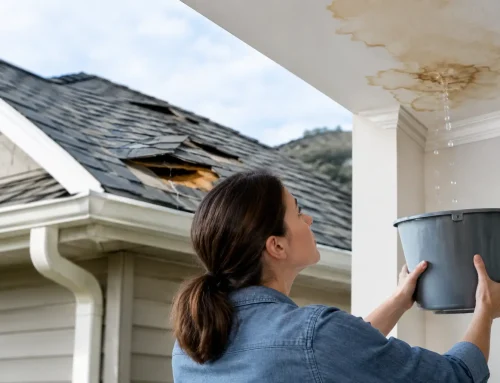
Wood roofs have a distinct look, but they are rarely the best fit for hail-prone properties. Impact can split shakes, loosen pieces, and create water entry points that are not always obvious right away. Wood also brings added maintenance concerns and can be less predictable as it ages.
For homeowners focused on storm resilience, there are usually better alternatives that deliver a similar dimensional appearance with less risk.
The best roofing materials for hail by priority
If your main goal is value, impact-rated architectural asphalt shingles are often the smartest choice. They balance cost, appearance, and improved hail performance better than most residential options.
If your top priority is long-term durability, metal roofing deserves a serious look, especially if you are comfortable with the possibility of dents that do not affect function.
If appearance matters just as much as storm resistance, premium synthetic roofing products may offer the best blend of style and protection.
The wrong approach is choosing solely by brochure claims or price per square. Hail resistance depends on the full system, not just the surface material.
Installation matters as much as the material
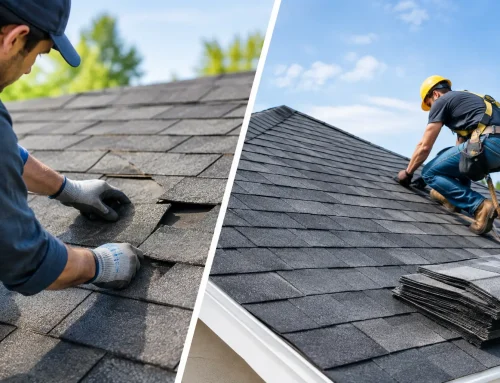
A high-performing roof starts with proper installation. Underlayment, flashing details, ridge ventilation, starter shingles, fastener placement, and deck condition all affect how the roof responds during a storm. Even the best shingle on paper can fail early if nails are overdriven, flashing is loose, or the roof system was rushed.
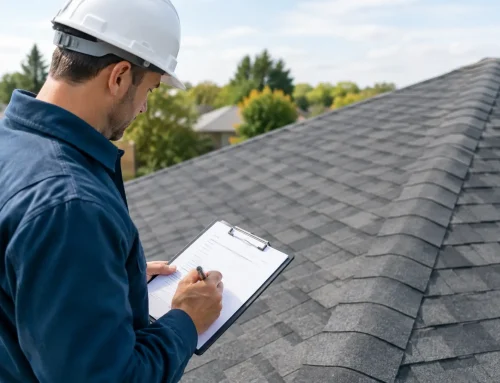
That is why storm restoration should start with a thorough inspection, not a guess. A qualified roofing contractor can identify whether your current roof has functional hail damage, whether repair is realistic, and whether replacement gives you a better long-term result.
If insurance is involved, documentation also matters. Photos, test squares, collateral damage review, and a clear assessment of slope-by-slope conditions can make a major difference in how a claim moves forward. That support is especially helpful when damage is subtle but still significant.
How homeowners should choose after a hailstorm
After a storm, many homeowners want a simple answer: what roof should I put on so this does not happen again? The honest answer is that no roof can promise zero damage from every hail event. Storm size, wind speed, roof age, and prior wear all matter.
A better question is which material gives you the best mix of protection, appearance, budget control, and insurability. For most homes, that answer is an impact-rated asphalt shingle or a properly selected metal roof. For higher-end projects, synthetic roofing can be worth considering if the product has a strong track record.
The most important step is getting the roof inspected before making that decision. Hail damage is not always obvious, and replacing a roof with the same vulnerable system without understanding what failed can leave you in the same position after the next storm. At Crown Exteriors, that is why inspections and claims support are part of the restoration process, not an afterthought.
A strong roof should give you more than a fresh look. It should give you confidence the next time the forecast turns ugly.
Related Posts
If you enjoyed reading this, then please explore our other articles below: