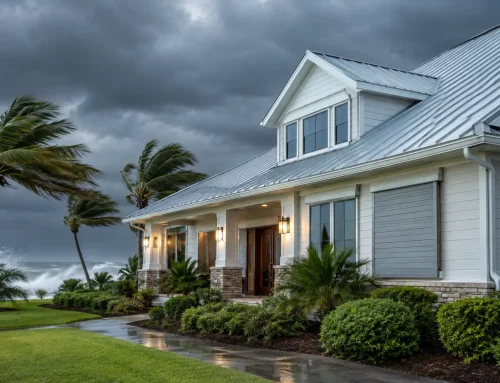

A water stain on the ceiling after a storm can make any property owner want the fastest fix possible. But when you are weighing roof patching versus replacement, the right answer is not always the cheapest one today. It depends on what caused the damage, how far it spread, how old the roof is, and whether insurance may be part of the picture.
How to think about roof patching versus replacement
A patch is a targeted repair. It addresses a specific problem area, such as a few missing shingles, a puncture from debris, lifted flashing, or a small leak around a vent or chimney. If the rest of the roof is still in solid condition, patching can be the practical choice.
A replacement is broader. It means removing part or all of the existing roofing system and installing new materials. That becomes the better path when damage is widespread, when the roof is near the end of its service life, or when repeated repairs are only buying a little more time.
The mistake many owners make is treating every leak like an isolated problem. Sometimes it is. Sometimes that stain is only the visible symptom of storm damage, deteriorated underlayment, or structural moisture issues that have been building for months.
When patching makes sense
Roof patching is often the right move when the damage is limited and the roof still has good years left. A newer asphalt shingle roof with a handful of wind-damaged shingles is a common example. The same goes for a small flashing failure around a pipe boot or a minor area of impact damage that has not compromised large sections of the system.
In those cases, a repair can restore protection without putting you through the cost and disruption of a full replacement. For commercial properties, patching may also help stabilize a problem area quickly while a longer-term maintenance plan is evaluated.
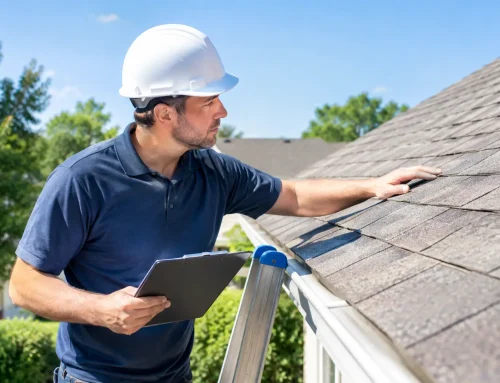
That said, a good patch depends on a good diagnosis. If a contractor only fixes what is visible from the ground, the repair may not last. A proper inspection looks at shingles or membrane condition, flashing details, decking concerns, moisture intrusion, and signs of storm-related damage that can affect more than one area.
Patching also works best when matching materials are available. If your shingles are still manufactured and the surrounding roof is in decent shape, the repair can blend in fairly well. On older roofs, matching color and profile can be difficult, which may leave a visible repair even if the fix is technically sound.
When replacement is the smarter investment
There comes a point when another repair stops being cost-effective. If your roof has multiple leak points, recurring storm damage, soft decking, widespread granule loss, curling shingles, or major age-related wear, a patch may only delay a bigger problem.
Replacement is often the better choice when the roof is already nearing the end of its expected lifespan. Putting repair money into a roof that may fail in another year or two is hard to justify. The same is true when damage affects a large enough area that piecemeal repairs begin to add up without giving you confidence in the system as a whole.
Storm damage changes the equation too. Hail and wind can create issues that are not obvious from inside the building. Creased shingles, broken seals, bruising, and displaced materials can shorten roof life even before active leaks appear. In those situations, a replacement may be the more responsible recommendation, especially if insurance coverage is available for covered damage.
A full replacement also gives you the opportunity to correct underlying issues. Ventilation problems, outdated flashing methods, or compromised decking can all be addressed during installation. That can improve long-term performance, not just appearance.
The cost question is more nuanced than it seems
Most owners begin with price, and that is understandable. A patch usually costs less upfront than a replacement. If the damage is truly minor, that lower price can make perfect sense.
But upfront cost is not the same as total value. If you patch one area today, then repair another section in six months, then deal with interior water damage after the next storm, the cheaper option can become the more expensive one. Frequent repairs also bring inconvenience, scheduling delays, and added stress.
On the other hand, replacing a roof too early is not a smart move either. If the roof still has strong remaining life and the damage is limited, a full replacement may be more than you need. Honest guidance matters here. You want a recommendation based on the roof’s condition, not a one-size-fits-all sales pitch.
Insurance can affect the best path forward
For many homeowners and property managers, storm damage is not just a roofing issue. It is an insurance issue. That matters because the right solution may depend partly on what documentation shows and how the loss is evaluated.
If a storm caused covered damage, patching may not always be the final answer, even if it seems workable at first glance. Insurance carriers may consider factors like repairability, material matching, code requirements, and the extent of the damaged slope or system. In some cases, a replacement may be warranted because a proper repair is not realistic or would leave the roof functionally inconsistent.
This is where a detailed inspection and solid documentation make a real difference. Photos, test squares, notes on wind or hail damage, and a clear scope of work can help support the claim. A contractor experienced in storm restoration can also help property owners understand what the adjuster is looking for and what questions to ask.
For a lot of customers, this is the most stressful part of the process. They do not just need someone to swing a hammer. They need someone who can explain what was found, what options are realistic, and how the repair or replacement decision fits into the claim.
Warning signs that a patch may not hold
Some roofs tell you clearly that a spot repair is only a temporary measure. If you have leaks in more than one room, visible sagging, repeated blow-offs after storms, or signs of rot around the roof edge, the issue may be larger than a few damaged shingles.
Interior clues matter too. Peeling paint, damp insulation, moldy odors in the attic, and water spots that keep returning often point to ongoing moisture intrusion. A patch may stop one entry point while leaving another untreated.
Age is another red flag. An older roof with brittle shingles does not always respond well to repair work because surrounding materials can crack or loosen during the process. Even a careful repair may have limited life if the roof system itself is worn out.
Why a professional inspection matters
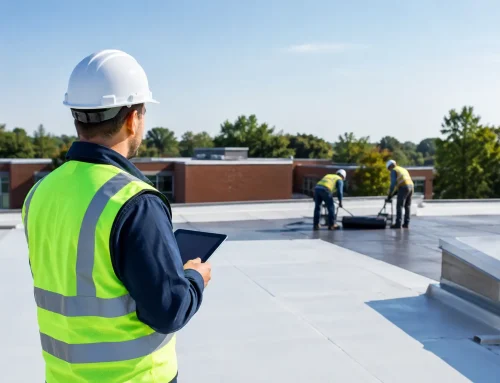
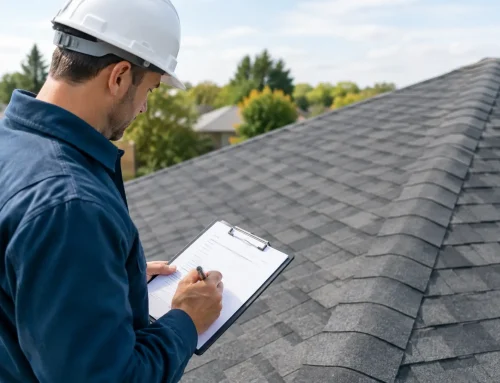
It is hard to make the right call from the driveway or from a ceiling stain alone. The decision between roof patching versus replacement should start with a thorough inspection, especially after hail, high wind, or falling debris.
A proper inspection does more than confirm that damage exists. It helps answer the questions that actually matter. Is the problem isolated or widespread? Is the roof still serviceable? Are there signs of storm damage that support an insurance claim? Will a repair extend the life of the roof in a meaningful way, or just postpone replacement?
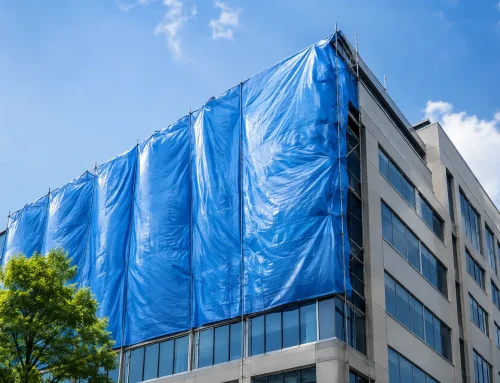
For property owners in storm-prone areas like Missouri, Illinois, and Florida, those questions come up often. Fast action matters, but so does accuracy. Emergency tarping may be the first step to prevent further damage, yet the permanent solution should be based on what the inspection shows, not guesswork.
The best decision is the one that protects you long term
A good contractor should be comfortable recommending a patch when that is all you need and a replacement when that is truly the better investment. That balance of honesty and urgency is what helps property owners avoid paying twice.
At Crown Exteriors, that means looking beyond the obvious leak, documenting storm damage carefully, and helping customers make sense of both the roofing scope and the insurance side when needed. The goal is not to push the biggest job. It is to get your property protected the right way, with as little stress as possible.
If you are unsure whether your roof needs a repair or a full replacement, do not wait for the next storm to answer that question for you. A clear inspection now can save you money, protect your home or building, and give you a lot more confidence in the next step.
Related Posts
If you enjoyed reading this, then please explore our other articles below: