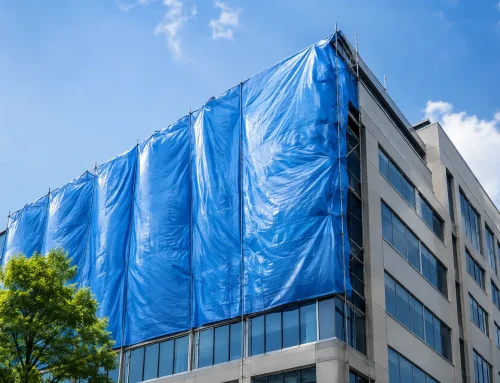

A leaking school roof is not a maintenance item to push into next quarter. Water above classrooms, gyms, kitchens, and technology rooms can quickly affect learning, safety, air quality, and the district budget. A well-planned school roof replacement protects the building while keeping students, staff, and daily operations at the center of every decision.
For facilities directors, administrators, and commercial property managers, the challenge is bigger than choosing a roofing material. The work must be scoped accurately, timed carefully, funded responsibly, and completed with clear communication. The right contractor helps make that process manageable from the first inspection through final cleanup.
Start With a Roof Assessment, Not a Guess
Roofing decisions should be based on the condition of the full system, not just the location of the most visible leak. A leak may travel beneath the roof membrane or through insulation before it appears on a ceiling tile. By the time interior staining is visible, moisture may have already affected decking, insulation, flashing, or rooftop penetrations.
A thorough assessment should document the roof’s age, drainage patterns, seams, flashings, penetrations, edge metal, previous repairs, and signs of trapped moisture. It should also identify whether the issue is localized or whether the roof has reached the point where ongoing repairs are no longer a responsible long-term investment.
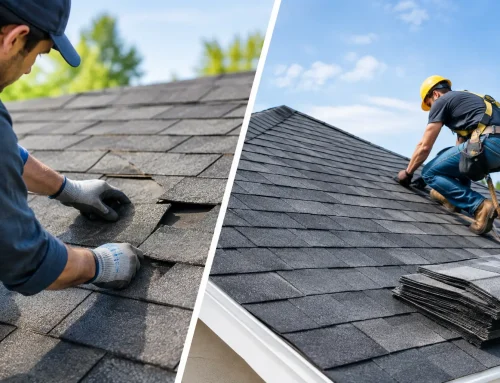
This distinction matters. Repairs can be the right choice when damage is isolated and the roof still has meaningful service life remaining. Replacement is often the better value when leaks recur, materials are failing across large areas, repairs have become frequent, or a storm has compromised the roofing system beyond practical restoration.
For schools with multiple buildings, the assessment should rank priorities. A roof over an occupied classroom wing may need immediate attention, while a smaller outbuilding may be safely scheduled later. That allows the district to make informed decisions rather than reacting to the next rainfall.
Planning a School Roof Replacement Around the Calendar
A successful school roof replacement begins with scheduling that respects how the property is used. Summer break is often ideal because there are fewer people on campus, but it is not the only workable window. Districts with year-round programs, summer camps, athletic events, or limited funding timelines may need work completed during other parts of the year.
The key is to build a plan around the school calendar and the site’s daily routines. That plan should address work hours, delivery routes, equipment staging, secured access points, parking changes, noise-sensitive areas, and the protection of playgrounds, athletic fields, and landscaping.
A roofing crew may need to work in phases so that entrances, bus lanes, and emergency access remain available. If classrooms are occupied during construction, communication is especially important. Administrators should know when louder demolition work is expected, where crews will be active, and who to contact if conditions change.
Weather is another practical consideration. Roofing work requires dry conditions for many systems, and storm season can make scheduling less predictable in Missouri, Illinois, and Florida. A contractor should have a clear weather-response plan, including how exposed areas will be protected if rain arrives unexpectedly. Temporary dry-in measures and daily jobsite checks are not extras. They are essential safeguards for an occupied facility.
Choosing the Right Roofing System for the Building
The best roof is not always the lowest initial bid. School facilities vary widely in design, slope, drainage, rooftop equipment, and expected foot traffic. The roofing system needs to fit the building’s conditions and the district’s maintenance capacity.
Low-slope school roofs often use single-ply membranes, modified bitumen, built-up roofing, or fluid-applied systems. Each option has different strengths. A membrane system may offer efficient installation and reflective surface options. Modified bitumen can provide durable layered protection. A coating system may extend the life of an existing roof in the right conditions, but it is not a substitute for replacement when moisture or structural issues are already present.
Drainage deserves close attention. Ponding water accelerates wear and can expose weak areas in seams and flashings. During planning, consider whether tapered insulation, drain improvements, scupper repairs, or gutter work should be included with the new roof. Addressing drainage during replacement can prevent the same problems from returning on a new system.
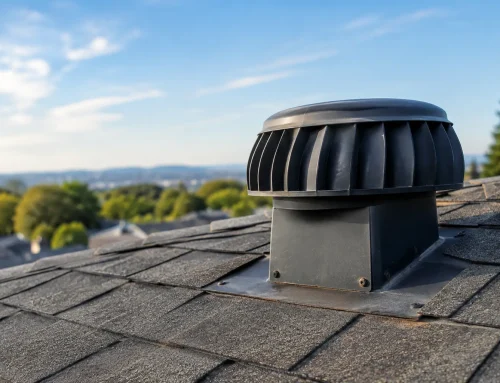
Material selection should also account for rooftop HVAC units, vents, skylights, solar equipment, and regular service access. Every penetration is a detail that must be installed correctly and maintained over time. A quality roofing proposal explains these details plainly rather than treating them as an afterthought.
Budgeting Beyond the Roof Surface
A school roofing project should have a complete scope and transparent pricing. The visible roof covering is only one part of the investment. Costs can also involve tear-off, disposal, insulation, decking repairs, flashing, edge metal, drainage components, permits, safety measures, and protection for the occupied areas below.
The lowest proposal may leave out items that are necessary to complete the job properly. On the other hand, a replacement plan should not include unnecessary upgrades simply because they increase the project price. Honest recommendations begin with documented conditions and explain why each line item is needed.
For capital planning, it helps to compare immediate cost with expected service life, maintenance requirements, energy performance, and warranty coverage. A system with a higher upfront cost may be the stronger long-term choice if it reduces future repairs, improves drainage, or better handles the building’s environment. The answer depends on the roof’s condition, the district’s budget cycle, and how long the facility is expected to remain in service.
When storm damage is involved, detailed documentation can also support an insurance claim. Photos, inspection findings, temporary repair records, and a clear scope of damage help establish what occurred. Insurance coverage depends on the policy and the cause of loss, so no contractor should promise an outcome. But experienced claim support can help the property owner present accurate information and avoid preventable delays.
Safety and Communication Cannot Be Secondary
School roofing projects require more than good installation practices. They require active site management. Students, teachers, visitors, maintenance teams, and delivery drivers may all be moving through the property while work is underway.
A responsible contractor establishes controlled work zones, protects ground-level areas from falling debris, secures materials, and keeps access routes clearly marked. Daily cleanup is particularly important on a school campus. Loose nails, scraps, and packaging do not belong near walkways, playgrounds, or parking areas.
Communication should be just as organized. Before work begins, school leadership should receive a schedule, a site contact, and a plan for handling weather or unexpected discoveries. During the project, concise updates help administrators coordinate around deliveries, testing schedules, events, and changing building needs.
If hidden damage is found after tear-off, the contractor should document it promptly and explain the options before moving forward. Old roofs can conceal wet insulation, deteriorated decking, or damage around drains and penetrations. These discoveries are not always avoidable, but surprises should never be handled without clear evidence and approval.
What to Expect From the Right Roofing Partner
The contractor you choose should understand that a school is an active environment, not just another commercial jobsite. Look for a licensed and insured team with experience managing complex roofing work, clear safety practices, quality materials, and manufacturer-backed warranty options.
Ask how the company documents existing conditions, protects the building during construction, handles temporary weather protection, and communicates with school leadership. Request a detailed scope that identifies materials, roof areas, flashings, drainage work, and potential allowances for concealed conditions. A clear proposal makes it easier to compare bids fairly.
Crown Exteriors LLC approaches large roofing projects with the same hands-on attention used in storm restoration: inspect carefully, document conditions, communicate clearly, and keep the property owner informed through every stage. That kind of partnership matters when a roofing decision affects an entire campus.
Protect the Building Before the Next Leak Spreads
Waiting for a major interior leak rarely saves money. It usually narrows the available options, disrupts operations, and increases the risk of damage to ceilings, flooring, equipment, and instructional spaces. A professional inspection gives school leaders the information needed to plan ahead, whether the right next step is targeted repair, maintenance, storm documentation, or full replacement.
A school roof should quietly do its job through every season. With a clear scope, the right schedule, and a contractor that treats safety and communication as part of the work, the project can protect far more than the building – it can protect the school day itself.
Related Posts
If you enjoyed reading this, then please explore our other articles below: