
A few missing shingles after a hailstorm can be easy to overlook from the ground. So can bruised shingles, lifted flashing, punctures around vents, and granule loss in the gutters. The question many property owners ask first is simple: are roof inspections free? Often, yes. But the answer depends on why you need the inspection, who performs it, and whether you need formal documentation for a real estate transaction, engineering concern, or insurance dispute.
For a homeowner worried about recent storm damage, a free inspection can be a sensible first step. It gives you a clear picture of your roof’s condition before a small issue becomes a leak, interior damage, or a larger repair bill.
Are Roof Inspections Free After a Storm?
Many reputable roofing contractors offer a free roof inspection when a property may have been affected by wind, hail, heavy rain, or fallen debris. The contractor is looking for visible damage to the roofing system and related exterior areas, such as gutters, flashing, vents, siding, and skylights.
This type of inspection is typically free because it is part of the contractor’s service process. If damage is found, the contractor may provide a repair or replacement recommendation and, when appropriate, help document the loss for an insurance claim. If no qualifying damage is found, an honest contractor should say so plainly.
A free inspection should not come with pressure to sign a contract on the spot. You should have time to understand what was found, review photos or documentation, ask questions, and decide how you want to proceed.
When You May Need a Paid Roof Inspection
Not every inspection is the same. A free storm-damage inspection is different from a formal roof certification or detailed report prepared for a specific third party.
You may be charged for an inspection when you need a written certification for a home sale, a comprehensive maintenance assessment, a moisture scan, an engineering evaluation, or expert documentation for a legal or insurance dispute. These services can require specialized equipment, testing, measurements, reporting, and professional liability.
Some contractors also charge a diagnostic fee when the issue is difficult to locate, such as an intermittent leak with no obvious exterior damage. That fee may be credited toward repair work if you hire the contractor. Ask about this before scheduling, so there are no surprises.
For commercial property managers, the distinction matters even more. A quick storm assessment may be free, while a detailed condition report for budgeting, compliance, reserve planning, or property records may involve a fee. The right option depends on what the report needs to accomplish.
What a Free Roof Inspection Should Include
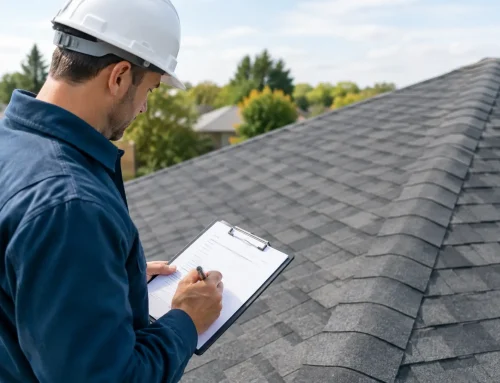
A useful inspection is more than a quick glance at the roof from the driveway. A qualified roofing professional should safely assess the areas that can reveal storm damage, aging, installation concerns, or leak risks.
During a typical inspection, the contractor may check shingles or other roofing materials for wind creases, missing tabs, hail impact marks, exposed fasteners, granule loss, damaged ridge caps, cracked seals, and deteriorated pipe boots. They should also review flashing around chimneys, valleys, walls, vents, and skylights, since these transitions are common sources of leaks.
The inspection may extend to gutters, downspouts, fascia, soffit, and siding when storm damage is suspected. Hail and wind do not always affect only the roof. Damage to these connected exterior components can help establish the scope and timing of a storm event.
Inside the property, a contractor may look for water staining, damp insulation, mold-like odors, peeling paint, or discoloration in the attic and upper ceilings. Interior signs do not always identify the exact leak source, but they help connect the condition of the roof to the problem you are experiencing.
The most helpful inspections include photographs and a clear explanation in plain language. You should leave the conversation knowing whether there is damage, where it is located, how urgent it is, and what reasonable next steps look like.
Why Contractors Offer Inspections at No Cost
A free inspection is not automatically a warning sign. For established roofing companies, it is a practical way to serve homeowners after severe weather and earn the opportunity to provide repair or replacement work when it is genuinely needed.
Storm damage is often hard for property owners to identify safely. Climbing onto a roof without the right equipment can lead to injuries and can cause additional damage. A professional inspection gives you informed guidance without asking you to make a decision based on guesswork.
The key is transparency. A trustworthy contractor explains that the inspection is free, describes what will be checked, and does not claim that every roof must be replaced. They should be comfortable showing you the evidence behind their recommendation.
Crown Exteriors LLC approaches inspections as the beginning of a restoration plan, not a high-pressure sales appointment. When qualifying storm damage is present, the goal is to document the condition carefully, explain the options, and help make the insurance process less stressful.
Free Inspection Does Not Mean a Guaranteed Insurance Claim
This is one of the most common misunderstandings after a storm. A contractor can identify damage and help prepare documentation, but only your insurance carrier determines coverage under your policy.
Coverage can depend on the date of loss, your deductible, the cause of damage, the age and condition of the roof, policy exclusions, and whether the insurer pays replacement cost or actual cash value. A roof may have legitimate wear that is not covered, even if it needs maintenance or replacement soon.
A good contractor will be direct about this distinction. They can meet with an adjuster, point out documented damage, and help ensure the scope is complete, but they should never promise claim approval or encourage you to file a claim without a reasonable basis.
If a claim is appropriate, keep copies of inspection photos, contractor estimates, adjuster paperwork, repair invoices, and any emergency mitigation records. If wind or rain has created an active opening, temporary tarping or other protective measures may be necessary to limit further damage while the claim is reviewed.
Questions to Ask Before You Schedule
Before inviting anyone onto your property, confirm a few practical details. Ask whether the inspection is truly free, whether there is any fee for a written report, and whether the company is licensed and insured for work in your area. You can also ask whether the inspector will provide photos and explain the findings in person.
If you suspect storm damage, ask about the contractor’s experience working with insurance claims. The right contractor should understand how to document damage and communicate professionally with adjusters while leaving coverage decisions where they belong – with the insurance company.
It is also reasonable to ask whether the company performs the work it recommends, what warranties apply, and how quickly emergency repairs can be completed if a leak is found. Clear answers early on can save considerable frustration later.
Watch for Pressure, Vague Findings, and Unclear Paperwork
Not every free inspection is equal. Be cautious if someone insists on inspecting immediately after knocking on your door, refuses to show photos, claims they can guarantee insurance approval, or says you must sign paperwork before seeing the damage.
Read every document before signing. Some agreements authorize a contractor to communicate with your insurer, while others may assign insurance benefits or lock you into a contract. Those documents can have serious consequences. A professional company will give you time to read, ask questions, and make an informed decision.
You should also be wary of broad statements such as, “Your entire roof is destroyed,” with no supporting evidence. Roof damage can range from a minor repair to a full replacement, and the correct recommendation should match the actual condition of the roof.
When to Request an Inspection
Schedule an inspection after a significant hail or wind event, after tree limbs or debris hit the roof, when you notice a new ceiling stain, or when shingles appear loose or are collecting in the yard. It also makes sense to have an aging roof evaluated before putting a home on the market or before the next severe-weather season.
You do not need to wait until water is dripping through the ceiling. Early identification of a lifted shingle, damaged vent boot, or compromised flashing can prevent a manageable repair from turning into damage to insulation, drywall, flooring, and personal belongings.
A free roof inspection is most valuable when it gives you honest information and a calm path forward. If recent weather has you wondering about your roof, ask for a thorough assessment, review the evidence, and choose the next step based on the condition of your property – not pressure.
Related Posts
If you enjoyed reading this, then please explore our other articles below: