
A commercial roof coating can add years to a roof’s service life, but only when it is matched to the roof condition, drainage, climate, and daily use of the building. The best commercial roof coating systems are not automatically the most expensive or the most heavily advertised. They are the systems that solve the actual problem without covering up damage that needs repair.
For property managers and building owners, that distinction matters. A coating may be a smart restoration investment for an aging low-slope roof with a sound substrate. It is not a fix for saturated insulation, major membrane failure, structural concerns, or storm damage that has opened the roof system below the surface.
Start With the Roof, Not the Coating
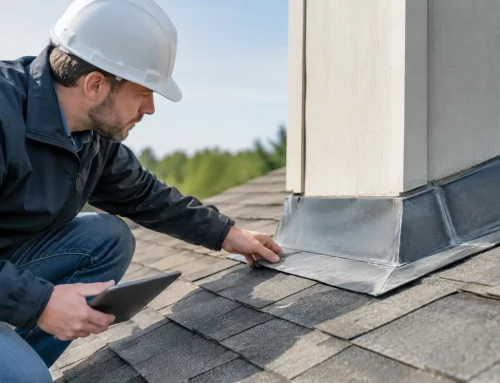
Before choosing a coating, have the entire roof inspected. A qualified contractor should check seams, flashings, drains, penetrations, edge metal, rooftop equipment areas, previous repairs, and the condition beneath the existing membrane. Water staining on an interior ceiling is only one signal. Moisture can travel through insulation and appear far from the point where it entered.
This inspection is especially valuable after hail, high winds, or heavy rain. Storm damage can loosen flashings, puncture membranes, create fractures, and damage drainage components. Applying a coating before documenting and addressing those issues can complicate a future insurance claim and leave concealed damage in place.
A coating system is generally a good candidate when the roof is dry, stable, and nearing the point where maintenance alone is no longer enough, but replacement is not yet necessary. If large areas are wet, the deck is compromised, or the existing roof has repeated failures, replacement or more extensive repairs may be the more responsible recommendation.
Best Commercial Roof Coating Systems by Need
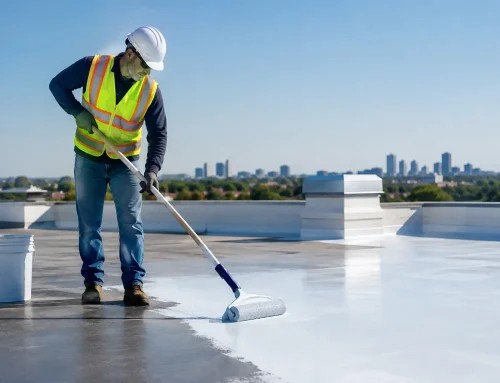
Commercial roof coatings are liquid-applied systems that cure into a protective, monolithic surface. They can help reduce ultraviolet exposure, seal minor surface wear, and improve water resistance. Each material has strengths and limitations.
Silicone coatings for standing water
Silicone is often considered for roofs with chronic ponding water because it holds up well against moisture after it cures. It also resists UV exposure and remains flexible through changing temperatures. For many flat or low-slope roofs with imperfect drainage, that water resistance is a major advantage.
The trade-off is surface cleanliness and future maintenance. Silicone can attract dirt, and recoating it later may require specific preparation and compatible materials. It can also be slick when wet, which matters on roofs with frequent foot traffic. A contractor should confirm the roof can be cleaned and primed properly before recommending it.
Acrylic coatings for value and reflectivity
Acrylic coatings are water-based, reflective, and often cost-effective for large commercial roof areas. Their bright white finish can help reduce heat absorption, making them a practical option for buildings in hot, sunny conditions such as those common in Florida.
They perform best on roofs with positive drainage. Acrylic can lose thickness or wear faster in areas where water sits for long periods. Weather conditions during installation also matter because acrylic needs appropriate temperatures and dry conditions to cure correctly. It is a strong option for the right roof, not a one-size-fits-all answer.
Polyurethane coatings for impact and traffic resistance
Polyurethane systems are known for toughness. They are frequently used where a roof sees regular maintenance traffic, where equipment service paths are common, or where the existing roof surface needs stronger impact resistance. They can also adhere well to certain substrates when the proper primer is used.
These systems often cost more than acrylics and require careful installation. Some polyurethane coatings may need a topcoat to protect against UV exposure. For a warehouse roof with regular HVAC access, the added durability may justify the investment. For a low-traffic roof in good condition, another system may provide better value.
Asphalt-based coatings for specific restoration needs
Asphalt-based coatings have long been used on built-up roofs and modified bitumen systems. They can be useful in targeted applications and may work well with compatible existing roof materials. Some are aluminum-coated for reflectivity, while others are designed more for waterproofing and maintenance.
Compatibility is the key issue. Not every asphalt-based product belongs on every roof membrane, and a dark coating may increase heat absorption. The existing roof type, desired energy performance, and manufacturer requirements should guide the decision.
The Details That Decide Whether a Coating Lasts
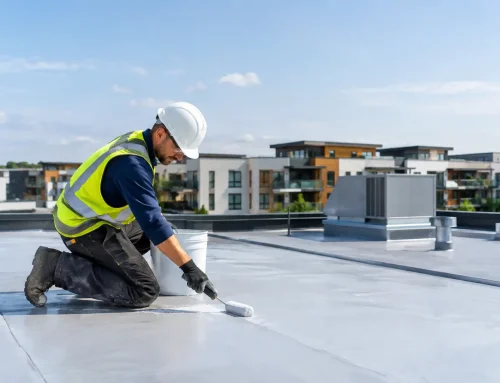
Coating material matters, but preparation often determines whether the system performs as expected. A roof must be cleaned thoroughly, dried completely, and repaired before coating begins. Loose materials, grease from kitchen exhaust, deteriorated sealant, and failed seams can all interfere with adhesion.
A complete system may include primer, seam reinforcement, detail coating around penetrations, a field coating, and walk pads where maintenance crews need access. The goal is not simply to make the roof look uniform. It is to reinforce vulnerable areas and build the required dry-film thickness across the roof.
Ask how thickness will be measured during installation. Coatings are commonly specified by dry mil thickness, and the installed thickness affects durability and warranty eligibility. A thin application may look acceptable on day one but wear out sooner than a properly installed system.
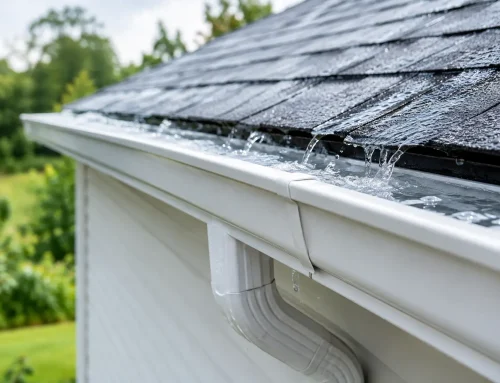
Drainage deserves equal attention. Even silicone, which performs better than many alternatives around ponding water, cannot correct a poorly designed drainage plan. Clogged drains, crushed drain lines, low areas, and inadequate scuppers should be addressed before or during the restoration project whenever possible.
How Climate and Building Use Affect Your Choice
A commercial roof in Missouri or Illinois may face freezing temperatures, snow, ice, hail, wind, and rapid temperature changes. Flexibility, adhesion, and resistance to thermal movement are important considerations. In Florida, intense UV exposure, heat, humidity, heavy rain, and hurricane-force winds place different demands on the roof assembly.
The building’s use matters, too. A retail center may have multiple rooftop units and frequent service traffic. A manufacturing facility may release grease, chemicals, or exhaust near the roof. An apartment building may have complex parapet walls, drains, and penetrations. The right coating system must account for these conditions rather than focus only on the roof’s square footage.
If a roof has experienced a recent storm, document the condition before work begins. Photos, inspection notes, repair estimates, and damage records can support an insurance discussion when covered damage is present. A roof coating should never be used to hide storm damage or avoid a thorough claim evaluation.
Questions to Ask Before Approving a Coating Project
A clear proposal should explain what is being coated, what repairs are included, and what is excluded. It should identify the coating manufacturer, material type, specified thickness, surface preparation steps, and warranty terms. If a contractor cannot explain why a particular system fits your roof, that is a reason to pause.
It is also wise to ask whether the existing roof is dry and structurally sound, how ponding water will be handled, and whether primer or reinforcement fabric is needed. Confirm who will protect rooftop equipment, landscaping, vehicles, and building occupants during the work. Commercial roofing projects affect operations, and a good plan reduces disruption.
Price should be evaluated in context. A lower bid may leave out repairs, primer, reinforcement, proper cleaning, or sufficient coating thickness. A higher price is not automatically better, either. The right proposal is the one that addresses your roof’s condition with a documented scope and materials that are compatible with the existing system.
Protect the Investment With Timely Inspection
A coating system should be inspected periodically, particularly after severe weather or work performed by other trades. HVAC service, new cable runs, signage work, and fallen debris can damage an otherwise sound roof. Catching an open flashing or puncture early is far less costly than responding to interior water damage.
Crown Exteriors helps commercial property owners evaluate roof damage, identify practical repair or restoration options, and document storm-related concerns clearly. An honest inspection should give you a direct answer: coat it, repair it, replace it, or monitor it for now.
If your commercial roof is aging or has been through a recent storm, do not choose a coating from a product label alone. Start with a thorough inspection and a plan built around the building you are responsible for protecting.
Related Posts
If you enjoyed reading this, then please explore our other articles below: