
A commercial roof rarely fails all at once. More often, a small split at a flashing, a clogged drain, or a loose seam lets water travel beneath the membrane until a ceiling stain, tenant complaint, or interior leak forces the issue. This commercial flat roof guide gives property owners and managers a practical way to assess risks, choose the right response, and protect the building before a manageable repair becomes a major restoration.
Start With the Roof’s Condition, Not Its Age
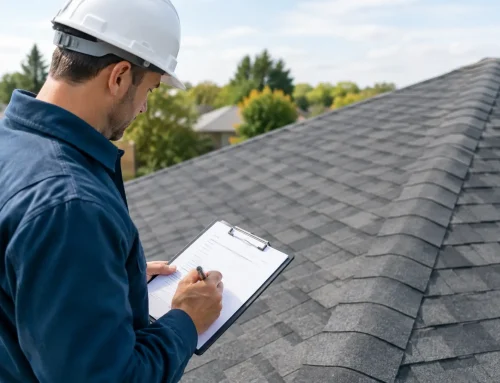
Roof age matters, but it should not make the decision by itself. A well-installed commercial roof with regular maintenance may have useful life remaining, while a newer roof can develop serious problems after hail, wind, standing water, or poor installation. The best first step is a professional inspection that identifies the roof system, its condition, and the source of any active or potential leak.
A thorough inspection should look beyond the open field of the roof. Many commercial leaks begin at penetrations, perimeter edges, rooftop equipment curbs, drains, scuppers, and transitions where different materials meet. These details experience movement, wind pressure, and repeated water exposure. They deserve close attention after every major storm.
Property managers should also ask for clear documentation. Photos, notes on affected areas, moisture findings, and recommended repair priorities help owners make informed decisions and provide valuable support if an insurance claim is necessary.
Know Which Flat Roof System You Have
“Flat” roofs are built with a slight slope to move water toward drains or edges. The membrane and assembly beneath it determine how the roof performs, how it is repaired, and when replacement becomes the better value.
TPO Roofing
TPO is a single-ply white membrane commonly used on commercial properties. Its reflective surface can help reduce heat absorption, an advantage in sunny climates and on buildings with large roof areas. Seams are heat-welded, creating a strong bond when the system is properly installed.
TPO can be a practical option for warehouses, retail buildings, offices, and multifamily properties. Quality varies by manufacturer and installation matters greatly, so owners should compare warranty terms, attachment methods, insulation needs, and the contractor’s experience with the specific system.
PVC Roofing
PVC is another heat-welded single-ply membrane. It is often selected for roofs exposed to grease, oils, or chemicals, such as restaurants and certain industrial facilities. Like TPO, it offers a light-colored, reflective surface and strong seam performance.
PVC typically comes at a higher upfront cost than some alternatives. For a building with demanding rooftop conditions, that added investment may be justified. For a property without chemical exposure, another system may offer better value.
EPDM Roofing
EPDM is a durable synthetic rubber membrane, usually black, though lighter options are available. It has a long track record and is often used on larger low-slope roofs. Seams are generally adhered or taped rather than heat-welded.
A dark EPDM roof absorbs more heat, which can be a consideration in Missouri, Illinois, and Florida. However, energy performance depends on the full roof assembly, including insulation, not membrane color alone. EPDM remains a dependable choice when designed and maintained correctly.
Modified Bitumen and Built-Up Roofing
Modified bitumen and built-up roofing systems use multiple layers of asphalt-based materials. Their redundancy can be an advantage, especially on roofs with frequent foot traffic or complex details. Repairs can be straightforward when performed by a qualified commercial roofer familiar with the existing system.
These systems can be heavier than single-ply membranes and require careful attention to drainage, flashing, and surface wear. The right choice depends on the building structure, budget, existing roof conditions, and long-term maintenance plan.
Warning Signs That Need Prompt Attention
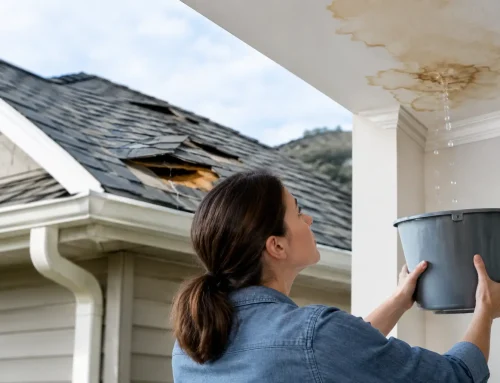
A commercial roof does not have to be actively dripping to need service. Water can enter the assembly and remain hidden in insulation or decking long before it reaches the interior. Acting early protects the roof and limits disruption to tenants, inventory, equipment, and operations.
Schedule an inspection promptly if you notice recurring leaks, water stains, bubbling or blistering membrane, open seams, cracked flashing, loose edge metal, or ponding water that remains more than 48 hours after rain. Granules or membrane debris near drains, vegetation growth, and blocked scuppers also point to maintenance concerns.
After hail or high winds, inspect the property even if there is no immediate leak. Hail can bruise membranes, damage coatings, fracture flashing, and weaken rooftop components. Wind can lift edges, pull fasteners, or create openings around penetrations. Storm-related damage is not always obvious from the ground.
If water is entering the building, protect people and property first. Move vulnerable equipment and inventory when possible, contain interior water safely, and contact a qualified roofing contractor for emergency tarping or temporary repairs. Temporary protection is not the final repair, but it can prevent further damage while the roof is evaluated.
Repair, Restore, or Replace?
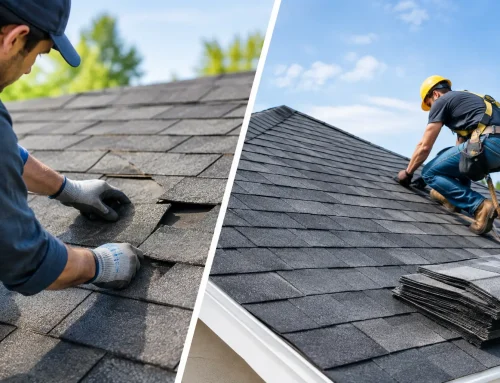
The right recommendation should match the roof’s actual condition, not a one-size-fits-all sales approach. A localized puncture, failed pipe boot, separated seam, or damaged flashing can often be repaired if the surrounding roof remains sound. Timely repair is usually the least disruptive and most cost-effective option.
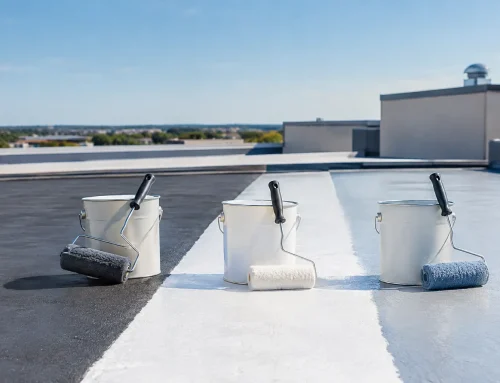
Restoration may be appropriate when the membrane is generally intact but aging at the surface. Depending on the roof system and manufacturer requirements, a coating or restoration system can extend service life, improve reflectivity, and address minor wear. Coatings are not a cure for trapped moisture, widespread deterioration, poor drainage, or failing seams. The roof must be properly prepared and evaluated first.
Replacement is often the better long-term investment when leaks are widespread, insulation is saturated, the roof has reached the end of its expected service life, or repeated repairs are becoming routine. A replacement project also creates an opportunity to improve drainage, insulation, rooftop access details, and warranty coverage.
When comparing estimates, look beyond the total price. Confirm what is included for tear-off, wet insulation removal, deck repairs, flashing, edge metal, drains, permits, cleanup, and warranty options. A lower initial proposal can become expensive if critical scope items are excluded.
A Commercial Flat Roof Guide to Maintenance
Preventive maintenance is one of the most reliable ways to control roofing costs. At minimum, commercial roofs should be inspected twice a year, commonly in spring and fall, and after major weather events. Buildings with heavy rooftop traffic, nearby trees, or drainage challenges may need more frequent attention.
During maintenance visits, a professional should clear drains and scuppers, remove debris, inspect seams and flashings, check rooftop equipment areas, and identify changes before they become leaks. Interior observations matter too. Maintenance staff should report stains, odors, damp insulation, or unusual ceiling conditions quickly rather than waiting for the next scheduled review.
Keep a roof file with inspection reports, repair invoices, photographs, warranty documents, and records of storms that affected the property. This history makes budgeting easier and gives insurers a clearer picture of the roof’s condition before and after a loss.
Handling Storm Damage and Insurance Claims
Commercial insurance claims can become complicated when roof damage is mixed with normal wear or when the cause of a leak is unclear. The strongest approach is timely documentation. Photograph visible damage, record the storm date, save interior-loss records, and arrange a professional inspection as soon as conditions are safe.
A roofing contractor can document observed storm impacts, explain necessary repairs, and meet with an adjuster when appropriate. That does not mean every roof issue is covered, and no contractor should promise a claim outcome. Coverage depends on the policy, deductible, exclusions, roof age, and the insurer’s findings. Honest documentation gives the claim the best foundation.
Crown Exteriors LLC helps commercial property owners evaluate storm damage, document roofing concerns, and move from emergency protection to a clear repair or replacement plan. The goal is straightforward: protect the building, communicate clearly, and avoid leaving owners to manage a stressful situation alone.
Choose a Contractor Who Can Explain the Details
Commercial roofing work affects more than the roof surface. It can affect tenant operations, HVAC access, safety planning, drainage, warranties, and the building’s long-term budget. Choose a licensed and insured contractor that can explain the proposed system in plain language, provide a detailed scope, and set realistic expectations for timing and disruption.
Ask who will supervise the project, how the site will be protected, how leaks will be handled if weather interrupts work, and what warranty applies to both materials and workmanship. A dependable contractor will answer directly, document recommendations, and tell you when a repair is sufficient rather than pushing replacement unnecessarily.
The best time to address a commercial roof concern is before the next heavy rain turns it into an emergency. A professional inspection gives you facts, a prioritized plan, and the confidence to protect your property on your terms.
Related Posts
If you enjoyed reading this, then please explore our other articles below: