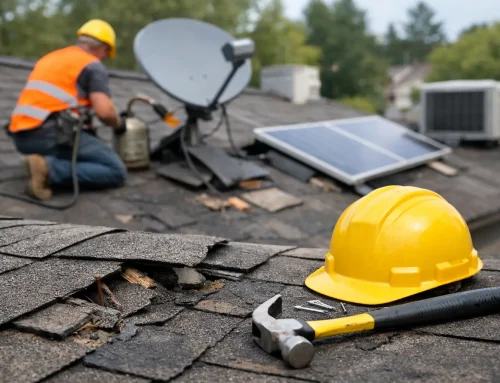

A small roof issue can become a major business interruption faster than most property owners expect. This commercial roof maintenance guide is designed to help property managers and building owners find trouble early, protect the building envelope, and make informed repair decisions before water reaches tenants, inventory, equipment, or finished spaces.
Commercial roofs are built to perform for years, but they are not maintenance-free. Ponding water, clogged drains, loose flashing, foot traffic, storm debris, and aging sealants all create opportunities for leaks. A consistent maintenance plan costs far less than reacting to an emergency leak after the fact.
Why Commercial Roof Maintenance Is a Business Priority
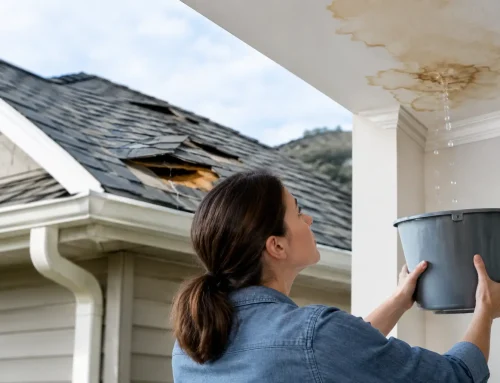
A roof leak is rarely limited to the area where water first appears indoors. Water can travel beneath membranes, through insulation, along decking, and into wall systems before it becomes visible. By the time a ceiling stain shows up, moisture may have already affected a much larger portion of the roof assembly.
For commercial properties, the consequences can include tenant complaints, damaged inventory, electrical hazards, mold concerns, interrupted operations, and unplanned repair costs. Regular maintenance gives you documentation of the roof’s condition, too. That record can be valuable when planning capital improvements, reviewing warranty requirements, or documenting sudden storm damage for an insurance claim.
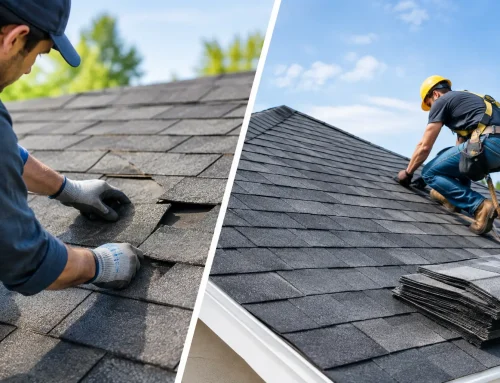
Maintenance does not always mean replacement. In many cases, a localized repair, resealed penetration, drain correction, or restoration coating can extend the service life of a roof. The right option depends on the roof system, its age, prior repairs, drainage, and the condition of the underlying materials.
Build a Commercial Roof Maintenance Schedule
Most commercial roofs should receive a professional inspection at least twice per year, commonly in the spring and fall. Spring inspections identify damage caused by winter weather and freeze-thaw cycles. Fall inspections help prepare the roof and drainage system for falling leaves, heavy rain, snow, and wind.
Properties in storm-prone areas should also schedule an inspection after significant hail, high winds, or debris-producing storms. Hail damage is not always obvious from the ground, especially on low-slope roofs. A trained inspector can identify membrane bruising, fractured coatings, damaged seams, displaced edge metal, and punctures that could allow water intrusion later.
Your schedule may need to be more frequent if the building has rooftop HVAC equipment, frequent contractor access, mature trees nearby, drainage concerns, or a roof approaching the later part of its expected service life. A restaurant, warehouse, medical facility, or multi-tenant building may also have a lower tolerance for disruptions, making preventive service even more valuable.
What a Professional Inspection Should Cover
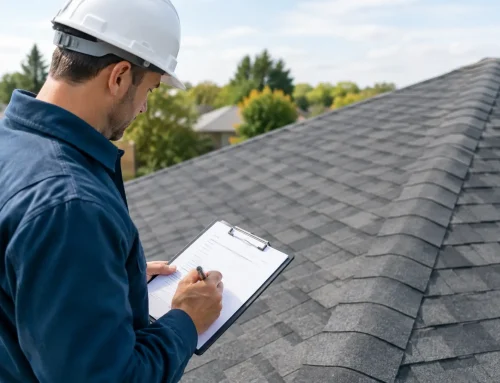
A meaningful roof inspection looks beyond a quick walk around the perimeter. The inspection should review the roof field, seams, flashing, penetrations, curbs, expansion joints, drains, scuppers, gutters, edge metal, and areas around HVAC units or other equipment.
The inspector should look for open seams, cracked sealant, deteriorated flashing, punctures, surface blisters, exposed fasteners, standing water, blocked drains, and signs of movement at roof edges. Interior observations matter as well. Ceiling stains, musty odors, wet insulation, peeling paint, and damp wall areas can help identify where water has traveled.
Ask for clear findings and photos. A dependable contractor should explain what is urgent, what should be monitored, and what can be planned for a later repair cycle. Honest recommendations are especially important when deciding between a targeted repair and a full replacement.
Keep Drainage Working as Designed
Standing water is one of the most common threats to low-slope commercial roofing. While some roof systems can tolerate brief periods of water after rainfall, water that remains for days can accelerate material breakdown, add weight to the roof, and expose weaknesses at seams and penetrations.
Drainage maintenance starts with keeping drains, scuppers, gutters, and downspouts clear. Leaves, sediment, roofing granules, and windblown debris can block drainage paths quickly. Property staff can safely watch for visible buildup from accessible areas, but roof access should be limited to trained personnel using proper safety procedures.
If ponding water regularly returns to the same area, simply clearing a drain may not solve the problem. The cause could be inadequate slope, settlement, crushed insulation, a poorly placed drain, or a blocked internal leader. A roofing professional can evaluate whether the area needs a repair, tapered insulation, drainage modification, or another long-term solution.
Control Foot Traffic and Rooftop Equipment Risks
Commercial roofs often support HVAC units, exhaust systems, satellite equipment, solar components, and other building systems. Every service visit creates a chance for accidental damage. Tools can puncture a membrane, unsecured panels can scrape the surface, and repeated walking paths can wear down protective layers.
Coordinate with HVAC and other service vendors before they access the roof. Require them to use designated walk pads where needed and avoid leaving fasteners, sharp debris, or packaging behind. After major equipment work, a roof inspection is a smart way to confirm that flashing, curbs, and nearby membranes were not disturbed.
Unauthorized penetrations are another concern. A new cable, conduit, pipe, or piece of equipment should never be added through a roof without a properly designed and sealed detail. Improvised caulking may hold temporarily, but it is not a reliable waterproofing strategy.
Know the Warning Signs Between Inspections
Your building team does not need to diagnose roof systems, but they should know when to call for help. Watch for these conditions during routine property walks:
- Water stains, bubbling paint, damp insulation, or dripping ceilings inside the building.
- Debris around drains, gutters, downspouts, or rooftop equipment.
- Loose metal, visible tears, open seams, cracked sealant, or displaced flashing.
- Persistent standing water more than 48 hours after normal rainfall.
- Storm debris, fallen branches, or visible hail and wind damage after severe weather.
Do not wait for a small leak to become an active interior emergency. Early inspection often allows for a contained repair and reduces the likelihood of moisture spreading through the roof system.
Document Storm Damage and Protect Your Claim
Maintenance and storm restoration are related, but they are not the same. Insurance policies generally distinguish between sudden, accidental storm damage and deterioration caused by age, lack of maintenance, or a long-term leak. That is why timely inspection and documentation matter.
After a damaging storm, record the date, visible exterior conditions, interior leaks, affected rooms, and any temporary actions taken to protect the building. Avoid climbing onto a damaged roof yourself. A professional inspection can document the roof condition safely and identify whether emergency tarping or immediate repairs are needed to prevent further damage.
If a claim is appropriate, detailed photos, measurements, and repair findings can help create a clearer picture for the insurance adjuster. Crown Exteriors LLC helps property owners understand storm-related damage, document conditions, and move through the restoration process with clear communication. The goal is not to overstate damage. It is to make sure legitimate damage is identified and properly addressed.
Repair, Restore, or Replace: Make the Right Call
There is no one answer for every commercial roof. A newer roof with one puncture or failed flashing detail may only need a focused repair. A roof with widespread seam failure, saturated insulation, recurring leaks, or extensive storm damage may require a larger restoration plan or replacement.
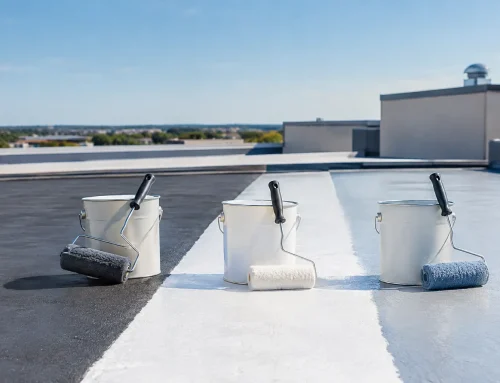
Restoration coatings can be a practical option for certain roof systems that remain structurally sound. They can improve weather protection and reflectivity, but they are not a shortcut for a roof with trapped moisture, failing substrate, or unresolved drainage issues. A proper assessment should come before any coating recommendation.
When replacement is necessary, consider more than the initial price. Evaluate the roof system’s expected performance, drainage design, insulation needs, rooftop traffic, warranty terms, and how the project will affect tenants or business operations. A well-planned replacement can reduce future repair demands and improve long-term budgeting.
Put a Maintenance Record in Place
Keep a simple roof file for each property. Include inspection reports, photographs, repair invoices, warranty information, dates of storms, leak locations, and notes on equipment work performed on the roof. Over time, this history helps identify patterns and supports better repair-versus-replacement decisions.
The most useful maintenance plan is one your team will actually follow. Schedule inspections, act quickly on documented concerns, and work with a contractor who explains the condition of your roof without pressure. A well-maintained commercial roof protects more than a building – it protects the people and operations depending on it.
Related Posts
If you enjoyed reading this, then please explore our other articles below: