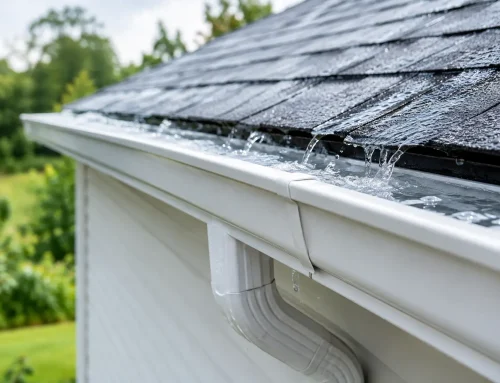

A gutter system can look fine from the yard and still be one hard rain away from causing trouble. Loose seams, undersized channels, rusted sections, and poorly placed downspouts can send water behind siding, into soffits, across walkways, or toward the foundation. Choosing the best gutter materials for homes is not just a curb-appeal decision. It is part of protecting the roof, walls, landscaping, and structure from repeated water exposure.
For most homeowners, the right answer comes down to local weather, roof size and pitch, budget, and how much maintenance they are willing to handle. A material that works well on a modest ranch home may not be the best fit for a large roof with steep valleys or frequent storm runoff. Here is what to know before replacing gutters or adding them as part of a roof restoration project.
Best Gutter Materials for Homes: A Practical Comparison
Aluminum: the dependable choice for most homes
Aluminum is the most common residential gutter material for good reason. It is lightweight, corrosion-resistant, available in many colors, and generally more affordable than steel, zinc, or copper. Most aluminum gutters are formed on-site into long, seamless runs, which reduces the number of joints where leaks can develop.
For homeowners in Missouri, Illinois, and Florida, aluminum is often a strong all-around option. It handles ordinary rain well and will not rust the way uncoated steel can. It also gives homeowners flexibility when matching the gutter color to siding, trim, or fascia.
The trade-off is that thinner aluminum can dent from ladders, branches, hail, or impact from storm debris. If your home sits under mature trees or has seen repeated hail events, ask about a heavier gauge aluminum system. Proper hanger spacing matters, too. Even quality aluminum can sag if it is not secured correctly to sound fascia.
Galvanized steel: strong, but maintenance matters
Galvanized steel gutters are stronger than aluminum and better able to resist dents. That added strength can appeal to homeowners in areas with heavy snow loads, frequent wind-driven debris, or high-traffic commercial settings. Steel also has a clean, traditional appearance when painted to match the exterior.
The downside is corrosion. Galvanized steel has a protective zinc coating, but scratches, standing water, and aging can eventually lead to rust. Once rust begins around seams or fasteners, repairs may only buy limited time. Steel gutters also weigh more, which means the fascia and fastening system need to be in good condition.
Steel can be a sensible choice when durability is the top priority and the owner is prepared to maintain the finish. For many homes, however, aluminum provides comparable day-to-day performance with less concern about corrosion.
Copper: premium appearance and exceptional longevity
Copper gutters are built for homeowners who want a distinctive architectural detail and are willing to invest in it. Over time, copper develops a natural patina that shifts from bright metallic tones to deeper brown and green hues. It does not rust, and a properly installed copper gutter system can last for decades.
Copper is especially well suited to historic homes, high-end custom properties, and exterior designs where the gutters are meant to be noticed rather than hidden. Its strength and long service life are real advantages, but the installation must be handled carefully. Copper requires compatible hangers, fasteners, and flashing materials to prevent galvanic corrosion where different metals meet.
Cost is the biggest consideration. Copper materials and labor are substantially more expensive than aluminum, and storm damage can be costly to repair or replace. It may be a worthwhile long-term investment, but it is not automatically the practical choice for every property.
Zinc: long-lasting with a refined finish
Zinc gutters offer many of the same long-life benefits that make copper attractive, often with a more understated gray appearance. Zinc develops a protective outer layer over time that helps it resist corrosion. It is durable, low-maintenance, and well suited to custom homes where longevity and appearance both matter.
Like copper, zinc costs more upfront and requires experienced installation. Its material can be affected by certain conditions, including contact with incompatible metals and runoff from treated lumber. Homeowners should also understand that zinc is usually selected for premium projects, not because it is necessary for basic water management.
If you are planning a long-term exterior renovation and want a material that will age gracefully, zinc deserves consideration. If budget and easy repair are more important, aluminum will usually be the more practical path.
Vinyl: low initial cost, limited durability
Vinyl gutters are inexpensive, lightweight, and available at many home improvement stores. They do not rust and are easy to cut and assemble, which makes them popular for do-it-yourself projects and smaller outbuildings.
For a primary residence, though, vinyl has limitations. Temperature swings can make it brittle or cause it to expand and contract. Sections may crack in cold weather, warp in intense heat, or pull apart at joints. Because vinyl systems use more connectors than seamless metal gutters, there are also more potential places for leaks.
Vinyl may work for a shed, detached garage, or temporary budget solution. For a home that needs dependable drainage through severe weather, a professionally installed aluminum system is generally a better value over time.
Material Is Only Part of a Good Gutter System
Even the best material will underperform if the gutter is too small or the drainage layout is wrong. Standard 5-inch K-style gutters are common on many homes, but larger 6-inch gutters may be a better fit for steep roofs, long roof planes, metal roofs, or properties that receive intense downpours. Larger gutters hold more water and are less likely to overflow at valleys and roof transitions.
Downspout capacity is just as important. Water needs a clear path away from the home, not simply off the roof edge. A system should have enough downspouts, positioned where runoff naturally collects, and extensions or drains that discharge water away from the foundation. When gutters overflow in one area, the cause may be poor slope, a blocked outlet, or insufficient downspout capacity rather than the material itself.
Seamless gutters are worth considering for most homes. They are custom-formed to the length of each roofline, so they have fewer joints than sectional systems. Fewer joints generally mean fewer opportunities for leaks and less debris buildup. Corners and outlets still require seams, but reducing unnecessary connections helps improve long-term performance.
Choose Based on Your Home’s Weather and Condition
Storm exposure should influence the decision. In areas that see hail, wind, falling limbs, or sudden heavy rain, choose a material with an appropriate thickness and make sure the system is attached to solid fascia. Gutters should not be installed over rotted wood or compromised roof edges. If storm damage has affected shingles, flashing, fascia, or soffits, those items should be inspected together so the repair solves the whole water-management problem.
For coastal or humid Florida conditions, corrosion resistance becomes especially valuable. Aluminum, copper, and zinc all offer advantages over untreated steel. In regions with snow and freeze-thaw cycles, strong hangers, correct pitch, and regular debris removal can matter as much as the gutter material itself.
Homeowners should also be realistic about maintenance. No open gutter is completely maintenance-free. Leaves, seed pods, shingle granules, and roof debris can collect in any system. Gutter guards can reduce cleaning frequency, but they are not a substitute for proper sizing, installation, and occasional inspection after major storms.
When to Replace Gutters Instead of Repairing Them
A single loose hanger or minor seam leak may be repairable. Widespread rust, recurring separation, sagging runs, holes, peeling paint, or water marks along the fascia usually point to a system nearing the end of its useful life. If water has been running behind the gutter, the fascia board and roof edge should be checked before a new system is installed.
Replacement is often most efficient when gutters are addressed alongside roof, siding, or storm restoration work. It allows the contractor to inspect the full exterior, coordinate colors, and make sure the new gutter system works with the roofline and drainage needs. Crown Exteriors can help property owners identify whether storm damage, installation issues, or ordinary wear is behind a gutter problem and explain the repair options clearly.
The best choice is usually not the most expensive material on the market. It is the gutter system that fits your roof, handles your local weather, drains water where it needs to go, and is installed with the same care as the rest of your exterior. If your gutters are overflowing, pulling away, or showing storm damage, schedule an inspection before the next heavy rain turns a manageable repair into water damage inside or around your home.
Related Posts
If you enjoyed reading this, then please explore our other articles below: