
A roof can take a hard hit from wind, hail, or falling debris and still look fine from the driveway. That is why homeowners often ask, is roof damage always visible? The short answer is no. Some of the most serious roofing problems start in places you cannot see from the ground, and by the time stains or leaks show up indoors, the damage may already be worse than it first appears.
That gap between what looks okay and what is actually happening is where a lot of property owners get caught off guard. After a storm, it is common to scan the roofline, see no missing shingles, and assume everything made it through. Sometimes that is true. Other times, the damage is subtle, hidden, or developing under the surface.
Why roof damage is not always easy to spot
Visible damage is the kind most people expect – torn shingles, dented gutters, tree limbs on the roof, or water dripping from the ceiling. Hidden damage is different. It can affect the shingles, underlayment, flashing, decking, or attic ventilation without creating an obvious warning sign right away.
Hail is a good example. A roof may not have holes punched through it, but hail can bruise shingles, knock granules loose, and shorten the life of the roofing system. From the ground, the roof may still look uniform. Up close, an experienced inspector may find impact marks that matter for both repair decisions and insurance documentation.
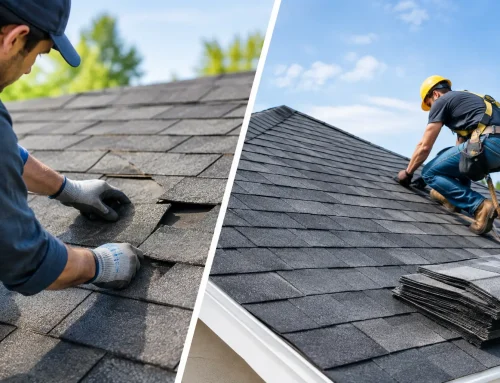
Wind damage can be just as deceptive. A shingle does not have to blow off completely to be a problem. Strong gusts can loosen the seal, crease the shingle, or lift edges enough to let water work underneath during the next storm. Those issues are easy to miss unless someone is trained to recognize them.
Is roof damage always visible after a storm?
Not always, and storm damage is one of the biggest reasons. Roof systems are built in layers. When wind or hail affects the outer layer, the evidence may stay subtle at first while the deeper parts of the roof begin to suffer.
That is especially true with older roofs. A newer roof may absorb some weather stress and still perform well. An aging roof, however, may already have weakened seal strips, brittle shingles, or worn flashing. In that case, one storm can push it past the point of reliable protection even if the surface does not look dramatic from below.
Commercial properties can face the same issue. Low-slope and flat roofing systems often hide punctures, membrane separation, or trapped moisture that is not obvious until interior leaks or insulation problems appear later.
The hidden signs homeowners should pay attention to
If you cannot always rely on visible surface damage, what should you watch for? Usually, the clues show up around the home before they show up clearly on the roof.
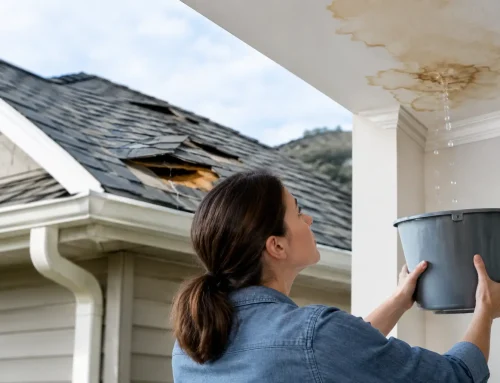
Inside the house, water stains on ceilings or walls are a major warning sign, but they are not the only one. Peeling paint, damp attic insulation, a musty smell, or unexplained temperature changes in upper rooms can all point to roofing issues. In the attic, daylight coming through boards or around penetrations is another clue that the system may have been compromised.
Outside, problems may show up in less obvious ways. Granules collecting in downspouts, bent flashing, loose ridge caps, dented vents, or gutters pulling away from the roofline can all indicate storm impact. Siding and window wrap damage can also suggest that the roof took a hit, even if it is not immediately obvious from street level.
One challenge is that these signs do not always mean the same thing. Granule loss can happen with age, not just hail. A water stain might come from flashing around a vent, not a field shingle failure. That is why a real inspection matters. Guessing can either create unnecessary worry or delay a needed repair.
What damage is easiest to miss?
A few types of roof damage are missed more than others because they blend in or stay hidden until moisture finds a path inside.
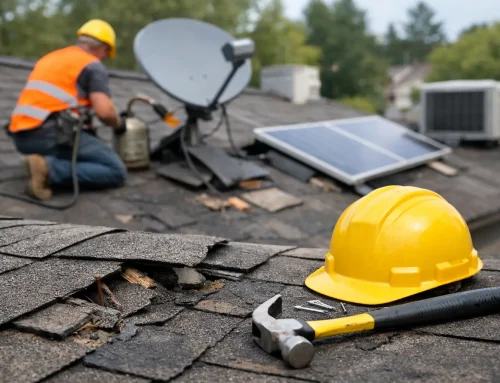
Lifted or unsealed shingles are easy to overlook unless someone physically checks them. Hail bruising can be hard for an untrained eye to identify because it may not look like a crack or puncture. Flashing damage around chimneys, vents, skylights, and wall transitions often starts small but causes some of the most frustrating leaks. Soft spots in roof decking may also go unnoticed until someone walks the roof or moisture has enough time to weaken the structure.
There is also secondary storm damage. A storm may not destroy the roof covering itself, but it can damage gutters, fascia, soffit, or siding in ways that affect how water moves off the home. When drainage is disrupted, roof problems can develop over time even if the initial event did not seem severe.
Why waiting can make a smaller problem more expensive
When roof damage is not obvious, the temptation is to wait and see. That can work in a few situations, but it often costs more in the long run.
A small breach in the roofing system can allow moisture into insulation, decking, and interior finishes. That may lead to wood rot, mold growth, damaged drywall, or electrical concerns. What started as a repair can turn into a much larger restoration project.
Waiting can also complicate insurance claims. If a storm caused damage, documentation matters. The longer you wait, the harder it can be to connect the issue to a specific weather event, especially after additional storms or normal wear cloud the picture. Timely inspection creates a clearer record and gives you a stronger understanding of what happened.
When a professional inspection makes sense
You do not need to panic after every rainstorm, but there are times when a professional roof inspection is the smart next step.
If your area had hail, high winds, tornado activity, or falling debris, it is worth having the roof checked even if nothing looks wrong from the yard. The same is true if your neighbors are finding damage, your gutters or siding were hit, or your home is showing new interior signs after a storm.
It also makes sense to schedule an inspection if your roof is older, if you are buying or selling a property, or if you have had recurring leaks that never seem fully resolved. Roof problems rarely improve on their own.
A trained contractor will look beyond missing shingles. They will check the full system, document what they find, and explain whether the issue calls for a repair, monitoring, or replacement. For many property owners, that clarity is half the value. Instead of wondering, you get a direct answer and a plan.
What a thorough inspection should include
A proper inspection is more than a quick glance from the ground. It should evaluate shingles or membrane condition, flashing, vents, ridge components, penetrations, gutters, drainage paths, and any storm-related impacts. In many cases, attic review is also important because interior evidence can confirm what is happening above.
Documentation matters too. Clear photos, written notes, and a record of storm-related findings can be helpful if repairs are needed or if an insurance claim is part of the process. This is one reason many homeowners choose a contractor with storm restoration experience, not just general roofing knowledge.
Companies like Crown Exteriors LLC often help bridge the gap between inspection and next steps by identifying damage clearly and supporting property owners through the claim process when storm loss is involved. That kind of guidance can reduce a lot of stress when the situation feels uncertain.
Is roof damage always visible, or do you need expert help?
In most real-world cases, the answer is both. Some roof damage is obvious right away. Some is subtle enough that only a trained eye will catch it. And some does not reveal itself until weeks or months later, after water has had time to travel.
That does not mean every roof issue is a major emergency. It does mean you should not assume no visible damage equals no damage at all. The cost of checking is usually far less than the cost of ignoring a problem that quietly gets worse.
If your property has been through a storm or you have noticed even small warning signs, trust that instinct and have it looked at. Peace of mind is valuable, but catching hidden damage early is even better.
Related Posts
If you enjoyed reading this, then please explore our other articles below: