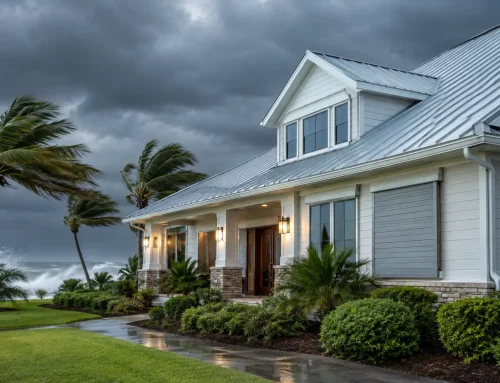

A homeowner gets an insurance estimate for storm damage, then a contractor gives a retail price, and suddenly the numbers do not match. That gap is where a lot of confusion starts. When people ask about retail bid versus insurance scope, they are usually trying to answer one practical question: why is my insurance paperwork saying one thing while my contractor is saying another?
The short answer is that these are not always built for the same purpose. A retail bid is typically the contractor’s price to complete the work based on real job conditions, business costs, labor, materials, and project management. An insurance scope is the carrier’s written breakdown of what it believes is covered and how much it will pay based on its own measurements, pricing software, depreciation rules, and policy terms. Sometimes those numbers line up closely. Sometimes they do not.
What retail bid versus insurance scope really means
A retail bid is what a contractor would normally charge to perform the repair or replacement work. It reflects the actual cost of doing business in your market, along with the specifics of your property. Roof pitch, access, steepness, code requirements, material availability, permit needs, and cleanup all affect that number.
An insurance scope is a document created during the claims process. It usually lists quantities, line items, and pricing for covered damage. Think of it as the insurance company’s version of the job, not the final word on what the contractor must charge. It may be thorough, but it can also miss details that only become clear during a field inspection or once work begins.
That distinction matters because many property owners assume the insurance scope is the contractor’s work order. It is not. It is a claim document.
Why the numbers are often different
Most pricing differences come from one of three places: scope, rate, or coverage.
The first issue is scope. The contractor may identify damaged components that are not included in the insurance paperwork. That could mean starter shingles, ice and water shield, drip edge, flashing, gutters, siding accessories, or code-related items. If those pieces are necessary to complete the project correctly, the retail bid will include them even if the original insurance scope does not.
The second issue is rate. Insurance carriers often use estimating platforms with regional price data. Those databases can be useful, but they do not always reflect current market conditions at the exact time your project is ready to start. Labor shortages, storm demand, material price swings, and local permit costs can all change quickly.
The third issue is coverage. A contractor can write for everything needed to restore the property, but the insurance company only pays for what the policy covers. If damage is excluded, below deductible, affected by depreciation, or considered non-storm-related wear and tear, that can leave a difference between the bid and the approved claim amount.
Why this matters on roofing and storm claims
Roofing claims are where retail bid versus insurance scope becomes especially important because storm damage is rarely as simple as replacing shingles on a flat sketch. A real roof has valleys, ridges, vents, flashing transitions, steep sections, detached structures, and local code requirements. Even two homes with the same shingle type can price differently because access, height, and complexity are different.
Storm claims can also involve collateral damage. Gutters, downspouts, siding, fascia, window wraps, and soft metals may all be part of the same loss. If the insurance scope only addresses one portion of the damage, the property owner may think the project is fully covered when it is not yet fully documented.
That is why experienced claim support matters. The goal is not to inflate the job. The goal is to make sure the scope reflects the actual damage and the actual requirements to complete the work properly.
When the insurance scope is enough and when it is not
Sometimes the insurance scope is accurate and complete. In those cases, the claim moves smoothly, the contractor can proceed with minimal revisions, and the homeowner’s out-of-pocket cost is mostly limited to the deductible and any non-covered upgrades.
Other times, the scope is only a starting point. Supplement requests may be needed if hidden damage is found, code items apply, measurements are off, or key accessories were missed. This is common, especially after major storms when adjusters are handling a high volume of inspections.
Neither scenario automatically means someone is acting unfairly. It often means the job needs closer review.
How homeowners should compare a retail bid and insurance scope
The safest way to compare these documents is line by line. Do not look only at the bottom number. A lower total does not always mean a better deal, and a higher total does not always mean overcharging.
Start with measurements. Are both documents using the same roof size, waste factor, and number of slopes? Then review materials. Are they listing the same shingle type, underlayment, ridge cap, flashing, ventilation, and accessories? After that, look at labor and project conditions. Steep charges, tear-off layers, deck repair allowances, permit fees, haul-off, and magnetic cleanup all affect cost.
Finally, separate covered work from non-covered work. If your contractor recommends improvements that are elective, such as upgraded shingle lines or enhanced ventilation beyond what the claim allows, that should be explained clearly so you understand what insurance may not pay.
Red flags to watch for
A contractor who says the insurance paperwork never matters is oversimplifying the process. On the other hand, a property owner who assumes the insurance scope can never be questioned may end up underpaid on a legitimate loss.
Be cautious if a bid has very little detail. Vague pricing makes it hard to compare documents and harder to resolve claim differences. Also be cautious if nobody is willing to explain why the numbers differ. A trustworthy contractor should be able to point to the exact line items, measurements, or code issues creating the gap.
It is also worth asking whether the contractor has real experience working with adjusters and supplements. Storm restoration is not just construction. It is documentation, communication, and follow-through.
The contractor’s role in an insurance claim
A good contractor does more than hand you a bid and disappear. They inspect the property carefully, document visible damage, review the insurance scope, and identify missing or inaccurate items. If the carrier allows additional review, the contractor can provide photos, measurements, and supporting documentation to help bring the claim in line with what the job actually requires.
That does not mean the contractor controls coverage decisions. Only the carrier determines what is covered under the policy. But a knowledgeable contractor can help make sure the adjuster has complete information.
For homeowners and property managers, that support can make a real difference. It reduces delays, cuts down on misunderstandings, and helps prevent a situation where the project starts with the wrong scope and turns into a financial surprise later.
Retail bid versus insurance scope in real-world terms
Here is the practical way to think about it. The insurance scope is what the carrier currently agrees to pay for based on its review. The retail bid is what the contractor says it takes to perform the job correctly. If those two documents match, great. If they do not, the next step is not panic. The next step is documentation.
Ask what is missing. Ask whether the difference is due to coverage, pricing, code, or measurements. Ask whether a supplement is appropriate. And ask for clear communication about what you may owe if the carrier does not approve certain items.
That process is where many property owners need help the most. They are already dealing with storm stress, possible leaks, scheduling pressure, and insurance paperwork. Having a contractor who can explain the numbers in plain language is just as valuable as having one who can install the roof correctly.
What to do before you sign anything
Before you move forward, make sure you understand the scope of work, the expected insurance payments, your deductible, and any potential non-covered charges. If repairs are urgent, ask how temporary protection like tarping will be handled and whether that cost is included or billed separately.
It is also smart to confirm whether the contractor will assist with supplements if hidden damage or omitted items come up. That question alone can tell you a lot about how hands-on they are during the claim process. A company like Crown Exteriors LLC is built around that kind of support because storm restoration usually needs more than basic installation.
When you compare documents carefully and work with a contractor who knows both restoration and claims, retail bid versus insurance scope stops feeling like a dispute and starts becoming what it should be – a process for getting your property restored the right way. If the paperwork does not make sense yet, that is a good reason to ask more questions, not a reason to settle for less than a complete repair.
Related Posts
If you enjoyed reading this, then please explore our other articles below: