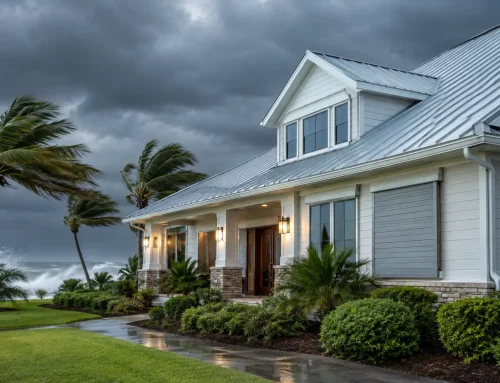

Storm damage rarely shows up at a convenient time. One night of hail or high wind can leave you dealing with missing shingles, water stains, and an insurance process you were not planning to learn this week. That is why many property owners start by looking for a roofer that works with insurance – not just a company that can replace shingles, but one that can document damage clearly, communicate well, and help move the claim forward without adding confusion.
If you are comparing contractors after a storm, the difference matters. A roofing company may be excellent at installation and still be weak when it comes to insurance documentation, adjuster coordination, or explaining the next step in plain English. When a claim is involved, you need both roofing skill and restoration experience.
What a roofer that works with insurance actually does
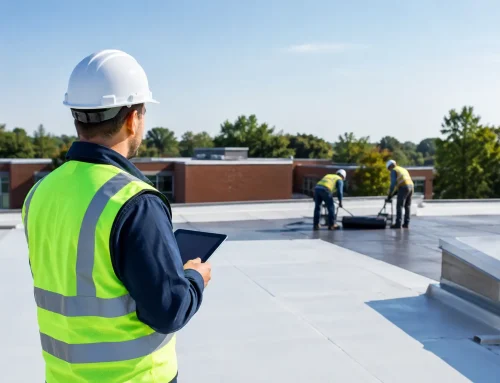
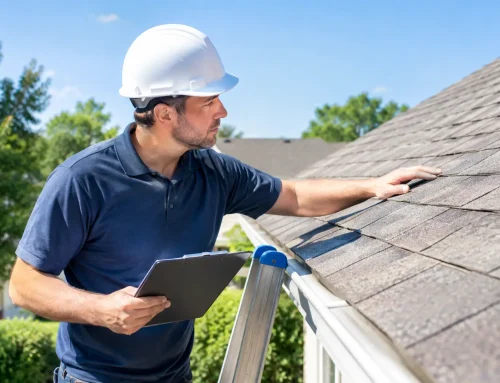
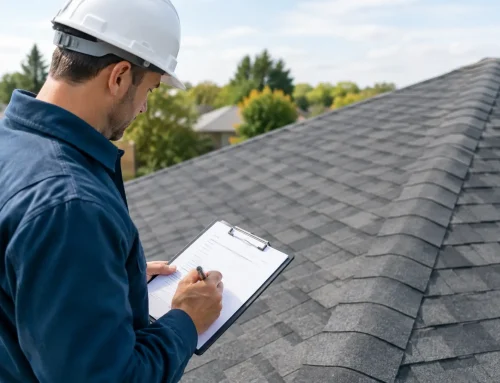
A roofer that works with insurance should do more than hand you an estimate and wait for approval. In most storm-related situations, the process starts with a detailed inspection. The contractor checks the roof surface, flashing, vents, gutters, siding, and other exterior areas that may have been affected by hail or wind. Just as important, they document what they find with photos, notes, measurements, and a clear explanation of the damage pattern.
That documentation can make a real difference. Insurance carriers need evidence that supports the claim, and vague descriptions are not enough. A contractor with insurance-claim experience knows how to identify storm-created damage versus older wear, how to present findings clearly, and how to prepare a scope of work that matches the loss.
In many cases, the roofer also meets with the adjuster during the inspection. This is helpful because the contractor can point out damaged areas, answer roofing questions on site, and reduce the chance that important issues are missed. That does not mean the roofer decides what the carrier owes. The insurance company makes that determination. But a knowledgeable contractor can help make sure the roof is evaluated thoroughly and accurately.
Why insurance experience matters after storm damage
Not every roof problem should become an insurance claim. If the damage is minor and the repair cost is close to your deductible, filing may not be the best move. A trustworthy contractor will say that plainly. Honest guidance is one of the first signs you are talking to the right company.
When storm damage is significant, though, inexperience can slow everything down. Poor photo documentation, incomplete measurements, or a weak scope can lead to delays, supplemental requests, or disagreements about what is covered. Property owners often feel stuck in the middle, trying to translate between a contractor and a carrier while also managing leaks or interior damage.
A contractor with claim support experience helps reduce that stress. They know the common checkpoints, they understand how restoration timelines work, and they can explain where things stand without making unrealistic promises. That kind of support is especially valuable when the damage affects more than the roof and includes gutters, siding, fascia, or interior water intrusion.
How to spot the right roofer that works with insurance
The best contractor is usually not the one with the loudest storm pitch. It is the one that communicates clearly, inspects carefully, and stays consistent from the first call through final cleanup.
Start with how they talk about the process. A reliable company should explain what they inspect, what they document, whether they can meet the adjuster, and how they handle supplement requests if hidden or missed damage is found later. They should also be clear that insurance coverage decisions belong to the carrier, not the roofer. If someone promises a free roof or guarantees approval before inspecting the property, that is a red flag.
Credentials matter too. Make sure the company is licensed where required, properly insured, and experienced with storm restoration in your area. Local knowledge helps because weather patterns, code requirements, and claim trends can vary from one region to another. A contractor serving communities in places like Missouri, Illinois, or Florida should understand the types of wind and hail damage common there and how those claims are typically documented.
It also helps to ask how they handle the full job, not just the claim. A dependable roofing partner should be able to talk about materials, ventilation, cleanup, scheduling, and workmanship warranties just as confidently as they talk about adjuster meetings. Insurance support is important, but the roof still has to be built right.
What the process usually looks like
The first step is a professional inspection. If damage is present, the contractor should walk you through what they found and explain whether it appears claim-worthy, repairable, or more consistent with aging. That conversation should be straightforward, not pushy.
If you choose to file a claim, the contractor can usually provide documentation to support it. Once the insurance company schedules an adjuster visit, the roofer may meet them on site to review the damage together. After the carrier issues its report, the contractor compares that scope to the actual conditions and identifies any missing items.
Sometimes the initial insurance paperwork is complete. Sometimes it is not. If code-required items, accessory components, or additional damaged areas are left out, the contractor may submit supplements with supporting documentation. This is a normal part of many restoration projects, not necessarily a sign that something has gone wrong.
After approval, the project moves into material selection, scheduling, and installation. This is where service quality becomes very visible. Good companies keep you informed, protect the property during the work, clean up thoroughly, and close the job with the same level of attention they brought to the inspection.
Common mistakes property owners make
One common mistake is calling the insurance company before knowing whether there is real storm damage. It is often better to start with an inspection from a reputable contractor who can tell you whether a claim makes sense. That gives you better information before you open a file.
Another mistake is choosing based only on price. With claim-related work, the cheapest estimate is not always the best value. If the contractor misses damage, skips important components, or installs a lower-quality system, you may pay for it later in leaks, callbacks, or shortened roof life.
Property owners also get into trouble when they do not read the paperwork. You should understand the scope of work, payment terms, material type, warranty coverage, and who is responsible for communication during the claim process. A professional company should welcome those questions.
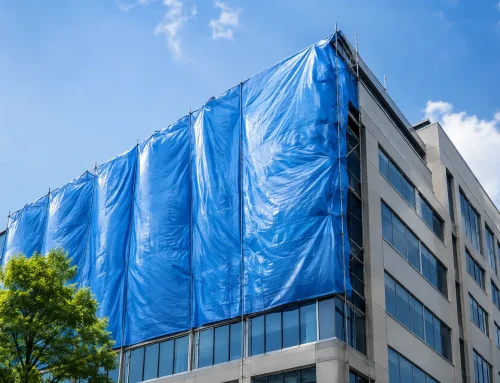
Finally, do not ignore timing. If your roof has been damaged, delays can allow water intrusion to get worse. Temporary protection like emergency tarping may be needed while the claim is under review. Fast service matters, but it should come with careful documentation and solid workmanship.
What good claim support feels like
The right contractor brings clarity. You know what was found, what happens next, and who to call if something changes. You are not left guessing whether the adjuster appointment was missed or whether the material order was placed.
That support is especially important for homeowners who have never filed a roof claim before and for commercial property managers juggling tenants, maintenance demands, and budget pressure. In both cases, the goal is the same: protect the property, keep the process moving, and avoid surprises where possible.
A company like Crown Exteriors approaches that work as a restoration partner, not just a roofing crew. That means inspecting carefully, documenting thoroughly, communicating honestly, and helping property owners move from storm damage to completed repairs with less stress.
When to make the call
If you see missing shingles, dented metal, granules in downspouts, leaks after a storm, or damage to siding and gutters, it is smart to schedule an inspection sooner rather than later. Some storm damage is obvious from the ground, but a lot of it is not. Waiting too long can make it harder to separate storm-related damage from wear that developed later.
The best time to look for a roofer that works with insurance is before the problem grows. A careful inspection gives you facts, and facts make better decisions. When the contractor is experienced, responsive, and honest about what your property actually needs, the insurance process becomes a lot more manageable – and so does the repair itself.
A good roof protects your home. A good roofing partner protects your peace of mind while you get there.
Related Posts
If you enjoyed reading this, then please explore our other articles below: