
A storm rarely gives you time to make good exterior decisions. By the time shingles are lifting, water is running behind siding, or gutters are pulling away from the roofline, the focus shifts from prevention to emergency repairs. The right stormproof exterior upgrade ideas can reduce that risk, protect your property’s value, and make post-storm recovery far less stressful.
The best upgrades depend on your property, local weather patterns, roof age, and budget. A coastal Florida property may need a different strategy than a home exposed to Missouri hail or Illinois windstorms. Start with the areas that manage wind, water, and impact damage every day: the roof, drainage system, siding, windows, and vulnerable exterior openings.
1. Upgrade to impact-resistant roofing materials
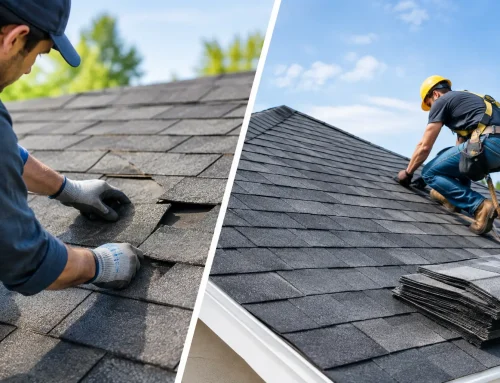
Your roof is the first line of defense against hail, wind-driven rain, and flying debris. If your current roof is aging or has already sustained storm damage, replacement is an opportunity to choose materials designed for tougher conditions.
Impact-resistant asphalt shingles are a practical option for many homeowners. Products with a Class 4 impact rating are tested for resistance to hail impact and can help limit cracking or bruising. In some areas, they may also qualify for insurance discounts, although coverage and discount availability depend on your carrier and policy.
Material selection is only part of the decision. Proper installation matters just as much. A high-quality shingle can still fail early if it is installed over damaged decking, poorly secured at the edges, or paired with inadequate ventilation. Ask your contractor how the roofing system will address underlayment, starter shingles, flashing, ridge ventilation, and fastening requirements – not just the shingle color.
2. Strengthen roof edges and flashing
Roof edges are especially exposed during high winds. When wind gets underneath a loose shingle or metal edge, it can create a chain reaction that removes larger sections of roofing. Reinforced drip edge, correctly installed starter materials, and secure fascia protection can make a meaningful difference.
Flashing deserves the same attention. This metal material directs water away from chimneys, walls, skylights, valleys, and pipe penetrations. A roof can look fine from the street while failed flashing quietly allows moisture into the attic or wall system.
If you are replacing a roof, do not assume existing flashing should always remain in place. Reusing flashing can make sense when it is in excellent condition and compatible with the new system. However, bent, rusted, undersized, or improperly installed flashing should be corrected during the project rather than left as a future leak point.
3. Improve attic ventilation and moisture control
Storm protection is not only about what happens on the outside. Heat and moisture trapped in an attic can shorten shingle life, contribute to decking deterioration, and make the roof system less dependable over time.
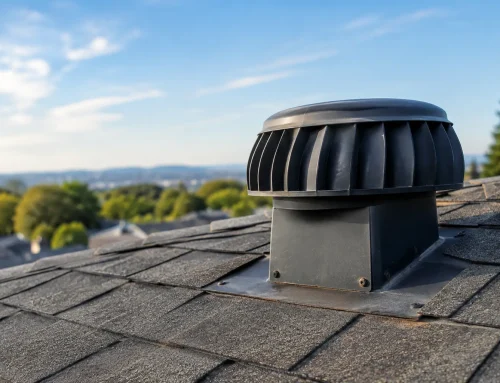
Balanced intake and exhaust ventilation helps manage attic temperature and humidity. Soffit vents provide intake air, while ridge vents or other exhaust options release warm, moist air near the top of the roof. The right design depends on the home’s roof layout and insulation condition. More ventilation is not automatically better if it creates short-circuit airflow or leaves openings exposed to wind-driven rain.
A professional inspection can identify whether your attic has signs of moisture, mold, compressed insulation, blocked vents, or daylight around roof penetrations. These details are often easier and less expensive to address before a major storm exposes them.
4. Install gutters built for heavy rain
Gutters are easy to overlook until overflowing water damages landscaping, stains siding, floods a basement, or undermines the foundation. A storm-ready gutter system needs the right size, secure mounting, properly placed downspouts, and a clear route for water to discharge away from the building.
Seamless gutters can reduce the number of joints where leaks develop. Larger gutter profiles and oversized downspouts may be worthwhile for steep roofs, large roof planes, or properties that routinely see intense rainfall. Gutter guards can help reduce clogging from leaves and debris, but they are not maintenance-free. They should be selected based on nearby trees, roof type, and how easily debris collects on your property.
Pay close attention to gutter attachment. Loose spikes, sagging sections, and damaged fascia can cause a gutter system to pull away during heavy rain or wind. Repairing the support structure before installing new gutters protects your investment and improves drainage performance.
5. Choose durable siding and secure weak panels
Wind-driven rain can find its way behind cracked, loose, or poorly sealed siding. Once water enters the wall system, it can damage insulation, sheathing, and interior finishes long before the issue becomes visible indoors.
Fiber cement, engineered wood, vinyl, and metal siding each offer benefits, but the best choice depends on the building, climate, maintenance expectations, and budget. Fiber cement is valued for its durability and resistance to rot and pests. Vinyl can be cost-effective and low-maintenance, but it must be installed correctly to allow for expansion and contraction. Engineered wood can provide a traditional look with strong performance when maintained as recommended.
Before a full siding replacement, inspect for cracked panels, loose trim, open joints, missing caulk, and soft areas around windows or doors. Small repairs can prevent a much larger water intrusion problem.
6. Protect windows, doors, and garage openings
Windows and exterior doors are common entry points for wind and water. Damaged weatherstripping, loose frames, failed caulk, and worn door sweeps can let moisture enter during a severe storm. Replacing these components is relatively simple and can improve energy efficiency at the same time.
For properties in hurricane-prone areas, impact-rated windows or protective shutter systems may be a smart long-term investment. In other storm regions, the focus may be on quality flashing, secure installation, and replacing older windows that no longer seal properly.
Do not overlook the garage door. A weak garage door can fail under high wind pressure, allowing wind into the structure and increasing the risk of broader roof damage. Reinforcement kits or wind-rated replacement doors may be appropriate, particularly for homes in areas with frequent severe weather.
7. Upgrade exterior drainage around the foundation
A roof can shed water perfectly, but the property still has a problem if that water pools near the foundation. Downspout extensions, splash blocks, grading corrections, and drainage solutions help move water away before it creates erosion, basement moisture, or settlement concerns.
Look outside during a steady rain. Notice where water collects, whether downspouts discharge too close to the home, and whether mulch or soil has built up against siding. These observations often reveal drainage problems that are not obvious on a dry day.
8. Trim trees and secure outdoor features
Branches hanging over the roof can scrape shingles, clog gutters, and become a serious hazard in high winds. Dead limbs and diseased trees deserve prompt attention from a qualified tree professional, especially when they are near a roofline, power line, fence, or parked vehicles.
Also check detached exterior items. Loose shutters, aging fences, patio covers, satellite dishes, and unsecured outdoor furniture can become projectiles. Securing or storing these items before storm season is one of the most affordable ways to reduce avoidable damage.
9. Document your property before storm season
One of the most valuable stormproof exterior upgrade ideas does not involve construction at all. Take clear, dated photos and video of your roof, gutters, siding, windows, doors, and outdoor structures before damage occurs. Keep receipts, warranties, and records of recent repairs or replacements in one accessible place.
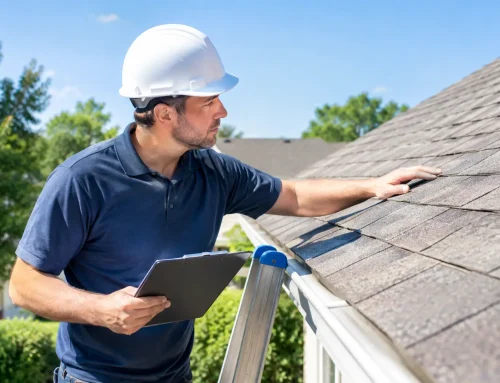
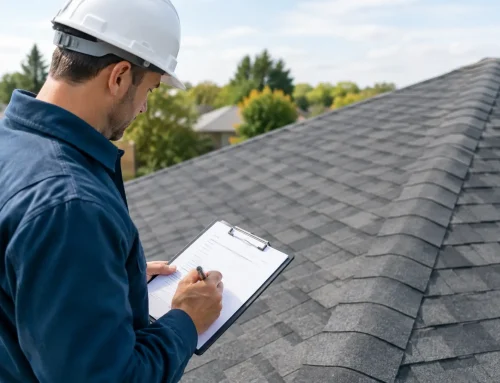
If a storm causes damage, documentation can make the insurance process easier. Photograph damage safely from the ground when possible, avoid walking on a potentially compromised roof, and arrange a professional inspection promptly. A qualified exterior contractor can identify damage that is easy to miss, document the condition of the property, and explain repair or replacement options clearly.
Crown Exteriors helps property owners inspect storm damage, understand what they are seeing, and navigate the next steps with their insurance claim when needed. A free roof inspection before or after storm season can give you a clearer picture of where your exterior stands – and what deserves attention before a small weakness becomes a major repair.
Related Posts
If you enjoyed reading this, then please explore our other articles below: