
A roofing warranty review should happen before the first bundle of shingles reaches your driveway, not after a leak appears. A new roof is a major investment, especially after hail, wind, or heavy rain has already put your property through enough. The right warranty can add meaningful protection. The wrong assumption about a warranty can leave you paying for repairs you expected someone else to cover.
Most property owners hear phrases like “lifetime warranty” and reasonably assume their roof is covered for life. In reality, roofing warranties have limits, conditions, and separate responsibilities. Knowing what is promised – and what is not – helps you compare proposals honestly and choose a contractor who stands behind the work.
What a Roofing Warranty Actually Covers
A roof warranty is not one document with one promise. It is usually a combination of coverage from the material manufacturer and coverage from the contractor who installs the roof. Those protections address different problems.
A manufacturer warranty generally covers defects in the roofing materials. For example, it may apply if shingles fail prematurely because of a manufacturing issue. It does not typically pay for damage caused by hail, wind, falling limbs, poor ventilation, improper installation, or normal aging. Storm damage is usually an insurance matter, not a manufacturer warranty claim.
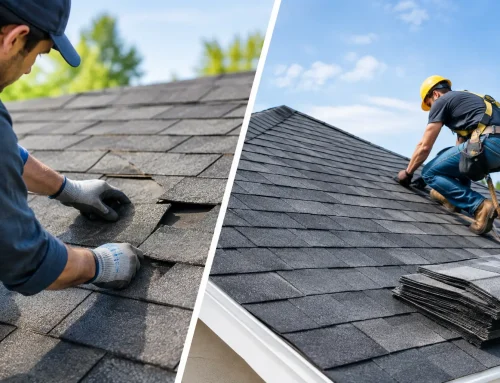
A workmanship warranty comes from the roofing contractor. It addresses installation-related problems, such as leaks caused by improperly installed flashing, incorrectly placed shingles, or other errors in the completed work. Its value depends on the contractor’s written terms, responsiveness, and ability to remain available after the project is finished.
Some manufacturers offer enhanced system warranties when a contractor installs qualifying components together and meets the manufacturer’s program requirements. These may provide stronger coverage than a basic material warranty, but they can also require specific products, registration, and installation standards. Better coverage can be worthwhile, but only when you understand the conditions attached to it.
Roofing Warranty Review: The Terms That Matter Most
The warranty length is the first detail many homeowners notice. It should not be the only one. A long warranty may offer limited coverage after an initial period, reduce the amount paid over time, or cover only the material itself rather than tear-off, labor, disposal, or interior damage.
Read the coverage period closely. Many warranties have a stronger early period, sometimes called non-prorated coverage, followed by prorated coverage. During a prorated period, the manufacturer may provide only a portion of the replacement material cost based on the roof’s age. That can be very different from receiving a full roof replacement.
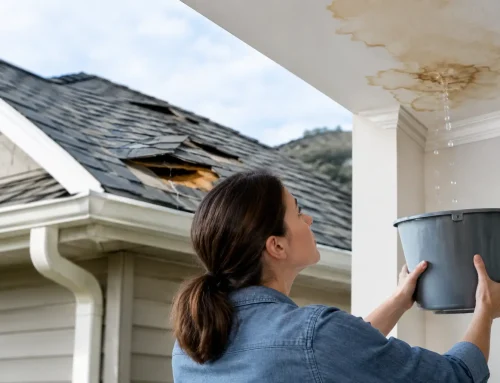
Also look at what costs are excluded. Even if a warranty approves a material claim, it may not cover labor to remove the old roof, install new materials, repair decking, replace accessories, or address damage inside the property. These costs can be significant. A warranty that sounds broad in a brochure may be much narrower in the actual written terms.
For commercial property managers, the details can be even more important. Roof systems may include membranes, insulation, drains, flashings, and penetrations, each with different requirements. A warranty may apply only if approved materials and installation methods were used throughout the system. A lower bid that omits required components can create a coverage gap later.
Material defects versus storm damage
This distinction prevents a great deal of frustration. If shingles are damaged by a hailstorm, the manufacturer is generally not responsible for that loss. Your property insurance policy may be the appropriate path, subject to your deductible and policy terms. If shingles crack, blister, or fail because of a verified manufacturing defect, a manufacturer warranty may be relevant.
After a storm, documentation matters. Clear photos, inspection notes, dates of loss, repair records, and communications with your insurer can support a smoother claim process. Crown Exteriors helps property owners inspect and document storm-related exterior damage, then explain the repair or replacement options in plain language.
Workmanship coverage should be in writing
Never rely on a verbal promise that a contractor will “take care of it” if something goes wrong. Ask for the workmanship warranty in writing before work begins. It should state how long coverage lasts, what installation issues are covered, how to report a problem, and whether labor and materials are included for a covered repair.
A workmanship warranty is only as dependable as the contractor offering it. Verify that the company is licensed where required, insured, established in the community, and reachable through normal business channels. Neighbor reviews and recent local projects can offer useful perspective. The lowest price may feel attractive after a storm, but it is rarely a bargain if the contractor cannot be found when a problem appears months later.
Conditions That Can Limit Warranty Coverage
Most warranties require the roof to be installed and maintained according to specific instructions. That does not mean homeowners need to become roofing experts. It does mean you should know which actions or changes could affect coverage.
Improper attic ventilation is a common concern. Excess heat and moisture in the attic can shorten shingle life, contribute to deck movement, and create condensation issues. A complete roofing proposal should consider intake ventilation, exhaust ventilation, and the condition of the attic space rather than treating shingles as a stand-alone product.
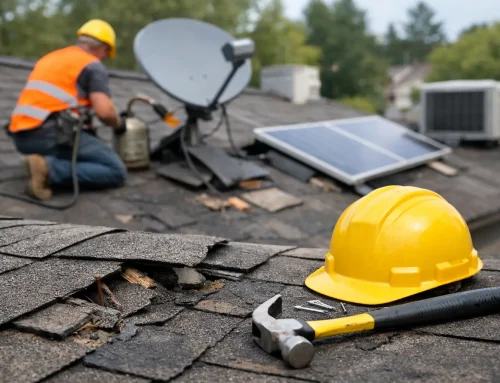
Unauthorized alterations can also complicate a claim. Installing solar equipment, satellite mounts, new vents, or other rooftop additions may create penetrations that need to be properly flashed and sealed. If a leak develops near later work performed by another party, determining responsibility becomes more difficult.
Maintenance expectations vary by warranty, but reasonable care is always wise. Keep gutters clear enough to drain properly, remove branches that rub against the roof, and schedule an inspection after major storms. Do not pressure-wash asphalt shingles or allow unqualified workers to make repairs that may create additional damage.
Registration and transfer rules deserve attention as well. Some warranties require registration within a set timeframe. Others can transfer once to a new owner only if paperwork is filed and a fee is paid. If selling your home is likely within the next few years, transferable coverage can be a practical selling point, but confirm the actual transfer process instead of assuming the warranty automatically follows the property.
Questions to Ask Before Signing a Roofing Contract
A clear conversation before installation is more valuable than a complicated dispute later. Ask your contractor whether the proposal includes a manufacturer warranty, a workmanship warranty, or both. Then ask which exact products and system components are being installed.
You should also ask whether the quoted warranty requires product registration, whether the contractor will complete that process, and what documents you will receive when the project is complete. Your final file should include the signed contract, detailed scope of work, product information, warranty documents, invoices, photos when available, and proof of final payment.
If your roof replacement is tied to an insurance claim, ask how supplemental damage, code-required upgrades, or hidden deck repairs will be handled. Insurance coverage and warranty coverage are separate issues, but both affect your out-of-pocket cost and the quality of the finished roof. A contractor should explain the difference without pressuring you to make assumptions about what your insurer will pay.
It is also reasonable to ask what happens if you notice a concern after installation. A dependable contractor will give you a direct process for requesting service and will inspect the issue before assigning blame. Roof problems can come from materials, installation, storm impact, ventilation, plumbing penetrations, or other exterior conditions. Honest diagnosis matters.
Choose Protection That Matches Your Property
The best warranty is not automatically the longest one printed on a proposal. It is the coverage that fits your roof system, your property’s exposure, your budget, and the contractor’s ability to perform the work correctly. A home under mature trees has different risks than an open commercial building exposed to high winds. A roof with complex valleys, skylights, and chimneys needs careful flashing work that deserves as much attention as the shingle selection.
Before committing to a replacement, request a thorough inspection and a written explanation of the materials, installation plan, and warranty options. When the details are clear from the start, your roof can do what it is supposed to do: protect your property with fewer surprises after the storm has passed.
Related Posts
If you enjoyed reading this, then please explore our other articles below: