
A roof can look perfectly sound from the driveway while heat and moisture are quietly damaging it from the attic. Knowing the top signs roof ventilation fails gives homeowners a chance to correct the problem before it leads to warped decking, higher energy costs, mold growth, or premature roof replacement.
Roof ventilation is not simply an attic fan or a few vents along the roofline. It is a balanced system that allows fresh air to enter near the eaves and hot, humid air to exit near the ridge. When that airflow is restricted, your roof and attic are forced to hold heat and moisture that should have escaped.
Why Roof Ventilation Problems Matter
In Missouri and Illinois, hot summers, cold winters, and sudden storms place a wide range of demands on a roofing system. Florida properties face a different challenge: long periods of heat, humidity, and heavy rainfall. In every climate, trapped attic heat can bake shingles from below, while trapped moisture can saturate wood framing and insulation.
Ventilation problems can also resemble other roofing issues. A high cooling bill may point to insufficient attic ventilation, but it could also be caused by air leaks, poor insulation, or an aging HVAC system. Water stains may be the result of condensation, a roof leak, or storm damage. That is why a thorough inspection matters more than guessing based on one symptom.
Top Signs Roof Ventilation Fails
Your attic feels extremely hot
On a warm day, an attic will naturally be hotter than the living space below it. The concern is when the heat feels excessive, stagnant, or difficult to tolerate shortly after opening the attic access. If heat is not escaping through ridge vents, roof vents, or other exhaust ventilation, it can build up beneath the roof deck.
That heat transfers into the home, making upper rooms harder to cool and forcing your air conditioner to work longer. Over time, prolonged attic heat may also shorten shingle life by accelerating the aging process.
Your energy bills rise without a clear reason
An unexpected increase in summer cooling costs is one of the most common warning signs. When the attic traps heat, your home absorbs more of it. The HVAC system then has to compensate, especially in rooms directly below the attic.
This sign is not conclusive on its own. Utility rates, aging equipment, and insulation gaps can all affect monthly bills. But when higher bills occur alongside a hot attic or uneven indoor temperatures, ventilation should be part of the conversation.
Upstairs rooms are hotter or colder than the rest of the house
A second floor that stays uncomfortable despite a working thermostat can point to attic conditions. In summer, heat often collects above the living space. In winter, poor airflow can contribute to moisture problems while inadequate insulation allows heated indoor air to escape.
The solution is not always adding more vents. Ventilation and insulation work together, and one cannot compensate for a serious problem with the other. An inspection should look at both before recommending changes.
Condensation, mildew, or a musty attic odor appears
Warm air holds moisture. When that moist air reaches cold attic surfaces during cooler weather, condensation can form on nails, roof decking, rafters, or ventilation components. A few drops may seem minor, but repeated condensation can cause staining, mildew, wood rot, and damp insulation.
Look for dark spots on framing, a persistent musty smell, rusty nail heads, or visible moisture on the underside of the roof deck. Mold should be addressed promptly, but the source of the moisture must be corrected as well. Cleaning visible growth without fixing the airflow or air-sealing issue can allow it to return.
Shingles curl, blister, or age too soon
Shingle damage has several possible causes, including storm impact, manufacturer defects, installation errors, and normal age. Still, shingles that curl at the edges, blister, become unusually brittle, or lose granules early may be reacting to excessive heat beneath the roof deck.
A professional roofer can distinguish between ventilation-related wear and storm damage. This is especially valuable after hail or wind events, when an insurance claim may be appropriate for covered exterior damage but not for ordinary wear. Honest documentation helps property owners understand what is present and what next step makes sense.
Ice dams form along roof edges in winter
For homes in colder parts of the service area, ice dams can be a major warning sign. They form when warm attic air heats the upper portion of the roof, melting snow. Water runs down to the colder eaves, refreezes, and creates a ridge of ice that can hold water against the roof.
Ice dams are not caused by ventilation alone. Heat loss from the home and insufficient insulation are often part of the issue. However, proper attic ventilation is one piece of a complete solution that helps keep roof temperatures more consistent.
Soffit vents are blocked or roof vents are damaged
Sometimes the problem is visible from the outside. Soffit vents can be painted over, clogged with debris, covered by insulation from inside the attic, or blocked by improperly installed materials. Ridge vents may be damaged in a storm, and individual box vents can crack, loosen, or become obstructed.
A roof needs both intake and exhaust. Adding more exhaust vents without adequate soffit intake can create an unbalanced system that does not perform as intended. In some cases, it can pull conditioned air from the home rather than draw fresh air through the attic.
Common Causes of Poor Attic Airflow
Ventilation failures are often linked to changes made over time. A reroof may cover or reduce ventilation openings. New insulation may accidentally block soffit vents. A bathroom fan may vent into the attic instead of outdoors, adding moisture where it does not belong. In older homes, the original ventilation design may simply no longer meet the needs of the roof structure.
Roof design also matters. A simple gable roof is generally easier to ventilate than a complex roof with valleys, dormers, cathedral ceilings, and multiple attic sections. Commercial and multifamily properties can have additional challenges related to low-slope roofing assemblies, mechanical equipment, and building use. The correct approach depends on the structure, not a one-size-fits-all vent count.
Storm damage can contribute as well. High winds may damage ridge vent materials or dislodge components that keep water and pests out while allowing air to move. After a storm, ventilation should be checked alongside shingles, flashing, gutters, and siding.
What a Professional Roof Inspection Should Check
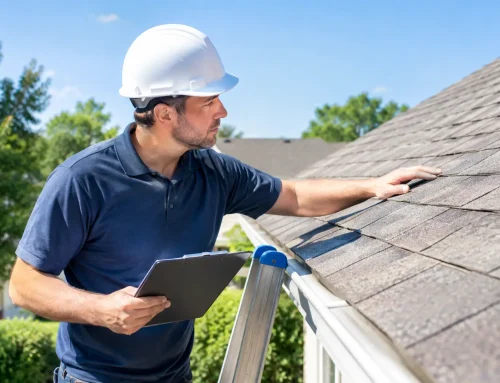
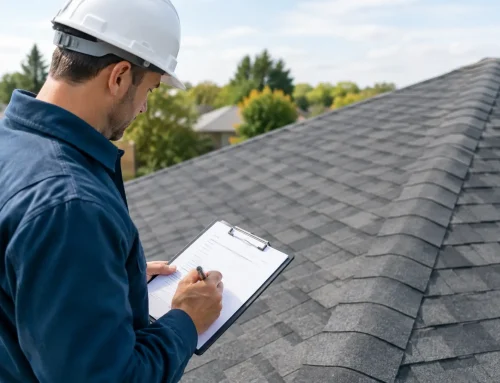
A useful inspection goes beyond looking for missing shingles. The roofing professional should evaluate the condition of the roof surface, flashing, ridge areas, soffits, visible ventilation components, and attic space when accessible. They should also look for moisture staining, decking deterioration, insulation issues, and signs of air leakage.
The goal is to identify the actual cause before recommending repairs. For example, replacing damaged shingles without addressing moisture trapped below the deck can leave the underlying problem in place. On the other hand, adding ventilation where the real issue is a roof leak will not stop water intrusion.
At Crown Exteriors LLC, we approach roof concerns with clear documentation and straightforward recommendations. If storm damage is discovered, our team can also help property owners understand the condition of the roof and navigate the insurance-claim process with confidence.
When to Schedule an Inspection
Schedule a roof inspection if you notice attic moisture, recurring ice dams, an unusually hot second floor, visible vent damage, or shingles that appear to be aging faster than expected. It is also smart to have the roof checked after a significant wind or hailstorm, particularly if ventilation components were exposed to impact or lifted by wind.
Do not wait for a ceiling stain to become a major repair. Moisture and excess heat often work out of sight for months before they create an obvious interior problem. A careful inspection can clarify whether you need a small ventilation repair, attic improvements, storm-related roof work, or simply reassurance that the system is functioning as it should.
Your roof should protect the spaces below it without making your home harder to cool, heat, or maintain. If something feels off in the attic or on the roofline, a timely professional inspection is a practical first step toward protecting your property.
Related Posts
If you enjoyed reading this, then please explore our other articles below: