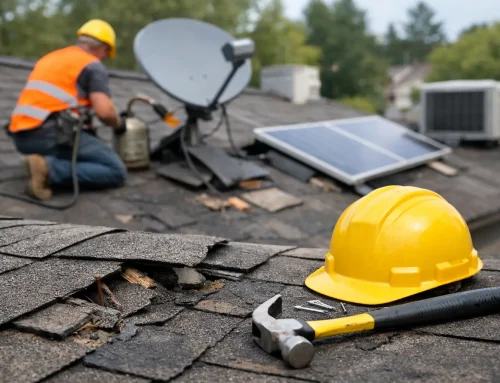

A new roof can look complete on installation day, yet the protection you receive afterward depends on details that may not appear in a contractor’s first estimate. Asking the best warranty questions before replacement gives you a clear picture of who stands behind the materials, who stands behind the installation, and what happens if a problem develops years from now.
For homeowners dealing with hail, wind, leaks, or an insurance claim, warranty details should be part of the replacement decision from the start. The lowest price may carry limited coverage, while a higher-quality roofing system can offer stronger manufacturer protection when it is installed according to specific requirements. The right choice depends on your roof, budget, local weather exposure, and long-term plans for the property.
Start With the Two Warranties That Matter
Roofing warranties are often described as though they are one document. In most cases, there are two separate protections: the manufacturer warranty and the contractor workmanship warranty.
A manufacturer warranty generally addresses defects in the roofing materials. If shingles fail prematurely because of a manufacturing issue, the manufacturer may provide coverage under the terms of that warranty. It usually does not cover improper installation, storm damage, poor ventilation, or damage caused by another trade working on the roof.
A workmanship warranty comes from the contractor. It covers installation-related issues for the stated term, such as problems caused by incorrectly placed flashing, improperly fastened shingles, or other installation errors. This is why choosing a licensed, insured contractor with a solid local reputation matters as much as selecting a shingle color or brand.
Before signing a contract, ask for both warranties in writing. A clear proposal should identify the manufacturer, product line, warranty type, workmanship term, and any registration requirements.
Best Warranty Questions Before Roof Replacement
The questions below help turn warranty language into practical information. You should receive direct answers, not vague assurances that you are “covered.”
What exactly does the manufacturer warranty cover?
Ask whether the warranty covers material defects only or whether it includes additional protection for components such as underlayment, starter shingles, ridge cap shingles, and ventilation products. Some enhanced warranties apply only when a complete roofing system from one manufacturer is installed.
Also ask whether the coverage includes labor, tear-off, disposal, and delivery if a warranted defect is found. Many basic warranties provide materials only. That can leave a property owner responsible for substantial labor costs even when replacement shingles are supplied.
How long is full coverage, and what changes after that?
A warranty may advertise a long period of coverage, but the fine print can distinguish between an initial full-coverage period and later prorated coverage. During the non-prorated period, qualifying material replacement may be covered at a higher level. After that point, reimbursement may decrease each year.
Ask the contractor to explain the coverage timeline in plain language. A 50-year limited warranty does not necessarily mean every cost is fully covered for 50 years. It may still be a valuable warranty, but you deserve to know how it works before making a decision.
What is covered by the workmanship warranty, and for how long?
A contractor should be specific about its workmanship warranty. Ask what installation problems are included, how long the coverage lasts, and how you request service if you notice a concern.
It is also fair to ask whether emergency leak response is available. A small leak can damage insulation, ceilings, walls, and personal property if it is left unaddressed. A dependable contractor will explain how its team handles warranty service calls and what response time you can reasonably expect.
Is the contractor authorized to offer an enhanced warranty?
Manufacturers often offer upgraded warranties through contractors who meet training, certification, insurance, and installation standards. These warranties may provide broader coverage than a standard product warranty, sometimes including a period of workmanship protection backed by the manufacturer.
Not every roof needs the most extensive warranty available. Still, ask which options you qualify for and compare the difference in cost, duration, exclusions, and labor coverage. This lets you decide whether the upgrade provides meaningful value for your property.
Will the warranty remain valid if my roof has storm damage?
This question is especially important in Missouri, Illinois, and Florida, where severe weather can bring high winds, hail, heavy rain, and flying debris. A manufacturer warranty is not homeowners insurance. It typically will not pay for storm damage, falling branches, impact damage, or damage from a named hurricane event.
Your insurance policy may cover a qualifying storm loss, subject to deductibles, exclusions, depreciation, and policy limits. The roof warranty becomes relevant when there is a defect in the materials or installation, not when weather causes new damage. Keeping those protections separate prevents confusion during a future claim.
What installation requirements could void coverage?
Most warranties require the roof to be installed according to manufacturer instructions and applicable building codes. Improper attic ventilation, incorrect nail placement, inadequate flashing, or mixing incompatible products can create problems with performance and coverage.
Ask how the contractor documents compliance. Photos during installation, a written scope of work, permit records when required, and final inspection notes can all be useful. Good documentation is particularly valuable after an insurance restoration project, when you want a clear record of the work completed.
Does the warranty transfer if I sell the property?
If you may sell within the next several years, transferability deserves attention. Some manufacturer warranties can transfer once to a new owner if paperwork is filed within a set deadline. Others become limited after transfer, and some cannot transfer at all.
Ask whether the workmanship warranty transfers too. A transferable warranty can be a reassuring detail for prospective buyers, but only if the terms are clear and the transfer process is completed correctly. Save all registration records, invoices, product information, and inspection documents with your property files.
Are there exclusions I should expect?
Every warranty has exclusions. Common ones may include damage from severe weather, ponding water, inadequate ventilation, structural movement, foot traffic, improper repairs by others, and failure to maintain the roof.
The goal is not to find a warranty with no exclusions. That is not realistic. The goal is to understand the exclusions that apply to your roof so you can maintain it properly and avoid unpleasant surprises later. Ask the contractor to point out the exclusions most relevant to your project rather than handing you a long document without explanation.
Compare Roofing Proposals Beyond the Warranty Name
Two proposals may both say they include a manufacturer warranty, yet the roofing systems and coverage can be very different. Compare the exact shingle line, underlayment type, flashing work, ventilation plan, decking allowance, ice and water protection where needed, and workmanship term.
Pay attention to what happens around chimneys, skylights, valleys, wall transitions, pipes, and gutters. These areas are common sources of leaks when details are overlooked. A warranty is valuable, but careful installation is what helps prevent a warranty claim in the first place.
For storm-related replacements, also ask how the scope will be matched to the insurance estimate. If the carrier approves certain items but the proposal leaves out necessary components, you could face a gap in protection or an unexpected out-of-pocket expense. Insurance Claim Specialists can help document damage, discuss the scope with the adjuster, and explain which parts of the project are connected to code, manufacturer requirements, or the approved repair plan.
Put the Answers in Your Contract File
Verbal promises are easy to misunderstand months or years later. Before work begins, keep a copy of the signed contract, warranty documents, product specifications, proof of registration, payment records, and final photos. If the roof was replaced through an insurance claim, keep the estimate, adjuster correspondence, and final settlement paperwork as well.
Crown Exteriors helps property owners understand these details before replacement, not after a concern appears. A thorough inspection and a clear conversation about materials, installation, and warranty options can reduce stress when your home has already been through a storm.
The best time to ask a warranty question is before the old roof comes off. Choose a contractor who answers directly, documents the work carefully, and treats your property’s long-term protection as part of the job.
Related Posts
If you enjoyed reading this, then please explore our other articles below: