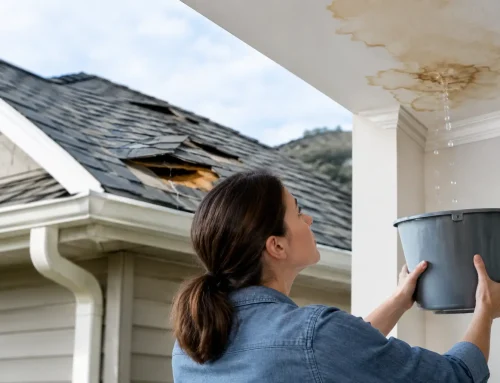

A damaged roof rarely arrives at a convenient time. After a storm, homeowners may be balancing a deductible, temporary repairs, and a replacement estimate while trying to protect the home from further water damage. This roof replacement financing guide explains the practical options available, where insurance fits in, and how to make a decision without creating a larger financial problem later.
Start With the Actual Scope of the Roof
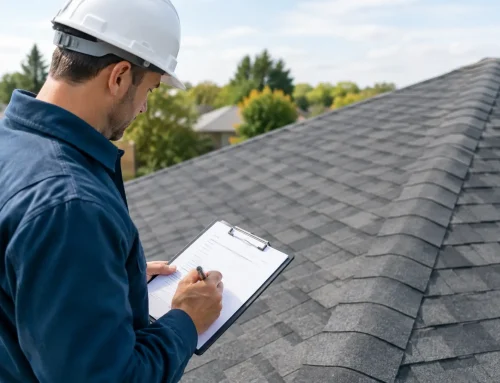
Before comparing financing offers, make sure you are financing the right project. A thorough inspection should identify wind damage, hail impacts, missing or lifted shingles, flashing concerns, decking issues, ventilation needs, and damage to gutters or siding that may be part of the same loss.
An estimate that looks lower because it leaves out necessary repairs is not necessarily the better value. The final cost of a roof replacement depends on the roof size and pitch, material selection, tear-off requirements, local code requirements, and the condition found beneath the existing shingles. Ask for a clear written scope so you can compare financing based on the full expected project cost, not an incomplete starting number.
For storm-damaged properties, this first step is especially important. The roof may qualify for insurance coverage, which can change how much you need to finance.
Roof Replacement Financing Guide: Insurance Comes First
Homeowners insurance may pay for a roof replacement when covered wind, hail, or other sudden storm damage has caused the loss. It generally does not cover a roof that has simply reached the end of its useful life, or damage caused by long-term neglect. Policy language, roof age, prior damage, deductibles, and the cause of loss all matter.
If a recent storm may have damaged your roof, start with a professional inspection and documentation before assuming you need to borrow the full replacement amount. Photos, measurements, condition reports, and a detailed estimate can help support a claim and give the adjuster a clearer picture of the work required.
Insurance payments are often issued in stages. Depending on the policy, an initial payment may reflect actual cash value, with recoverable depreciation released after the work is completed and final documentation is submitted. Your contractor should be able to explain the restoration scope and communicate professionally with the adjuster, but the insurance carrier makes the coverage decision.
You are still responsible for your deductible. Be cautious of any contractor who suggests waiving, absorbing, or hiding it. That can create legal and insurance problems. A trustworthy contractor will explain the deductible clearly and help you understand what portion of the project insurance may cover.
Compare Financing Options by Total Cost, Not Monthly Payment
Once you know the expected insurance payment and your out-of-pocket responsibility, you can choose a way to cover the remaining balance. The lowest monthly payment is not always the least expensive option. Look at the annual percentage rate, loan term, fees, prepayment rules, and the total amount paid over time.
Common roof replacement financing options include:
- Insurance proceeds plus savings: This is often the simplest approach when the deductible or uncovered upgrade costs are manageable. It avoids interest, but it can reduce the emergency cash you have available after a storm.
- Home improvement personal loan: An unsecured loan can fund a roof quickly without using your home as collateral. Rates and approval amounts depend heavily on credit and income, and shorter terms typically mean higher monthly payments.
- Home equity loan or HELOC: These options may offer lower rates than unsecured borrowing because the home secures the loan. They can make sense for larger projects, but approval may take longer and missed payments put your home at risk.
- Contractor payment plans: Some established contractors offer financing through third-party lending partners. Review the lender terms carefully, including deferred-interest language. A promotion can be useful if you can pay it off within the stated period, but deferred interest may be added retroactively if the balance remains.
- Credit cards: A card may help with a small, short-term gap or deductible, particularly with a true introductory 0% rate. It is usually a costly choice for a full roof replacement if the balance will carry beyond the promotional period.
For commercial property owners and managers, the decision may also involve reserve funds, capital budgets, lender requirements, and the expected life of the building. The same principle applies: compare the full cost of financing against the cost of delaying a necessary repair.
Know What You Are Financing Beyond the Deductible
A roof replacement can include elective upgrades that insurance may not pay for. For example, you may choose a premium shingle, upgraded impact-resistant material, a different color, improved ventilation, new gutters, or code-related improvements beyond the approved scope. These can be worthwhile investments, but they should be separated clearly from covered storm restoration costs.
Ask for an estimate that distinguishes insurance-related work from homeowner-selected upgrades. That makes it easier to finance only what is necessary and decide whether optional improvements fit your budget.
It also helps prevent confusion when an insurance estimate and contractor estimate use different line items. A difference is not automatically a red flag. Insurance estimates can require supplements when concealed damage, local code requirements, or necessary components become clear during the project. What matters is that the scope is documented, explained, and handled honestly.
Build a Payment Plan Before Work Begins
A reliable roofing contractor should provide a written agreement that explains the work, materials, payment schedule, warranty information, and what happens if additional damage is discovered. Do not make a large decision based only on a verbal price or a promise that insurance will “take care of everything.”
For a financed project, confirm when your loan funds will be available and how payments will be made. If insurance funds are involved, understand whether the carrier has issued the first payment, whether your mortgage company must endorse the check, and what documentation is needed to release depreciation. Mortgage lender endorsement can add time, so it is better to plan for it early than be surprised after the roof is installed.
Keep a reasonable reserve if possible. Storm damage can expose issues that were not visible from the ground, such as damaged decking or compromised flashing. A qualified contractor should discuss potential contingencies upfront, but older homes and severely damaged roofs can still produce legitimate surprises.
Questions to Ask Before Signing a Financing Agreement
Ask the lender or financing provider for the APR, monthly payment, repayment term, total repayment amount, and every fee associated with the loan. If the offer includes a promotional rate, ask exactly what happens if the balance is not paid by the deadline.
Ask the contractor whether the estimate includes removal and disposal, underlayment, flashing, ventilation, permit requirements, cleanup, and warranty coverage. You should also know who will communicate with your insurer, what documents you will receive when the job is complete, and how supplements will be handled if additional covered damage is found.
Finally, ask yourself whether the financing option leaves room for normal household expenses and emergencies. A roof is a major investment in the safety and value of your property, but the payment should be sustainable. Extending a loan term may lower the monthly payment, yet it can significantly increase interest paid over the life of the loan.
Avoid Decisions Made Under Storm Pressure
After a major weather event, homeowners may face high-pressure sales tactics, unclear contracts, and promises that sound too good to be true. Watch for contractors who demand the entire project cost upfront, refuse to provide proof of licensing and insurance, offer to cover your deductible, or will not put the scope and payment schedule in writing.
Fast service matters when a roof is exposed, but fast should not mean careless. Emergency tarping or temporary protection can help prevent additional damage while you review the estimate, insurance claim, and financing terms. The goal is to move promptly without losing control of the decision.
Crown Exteriors helps property owners document storm damage, understand the restoration scope, and work through the insurance process with clear communication. Whether your roof is insurance-funded, partly financed, or paid from savings, the right next step is a complete inspection and a written plan you can understand. A sound financing choice starts with knowing exactly what your roof needs and exactly what you are agreeing to pay for.
Related Posts
If you enjoyed reading this, then please explore our other articles below: