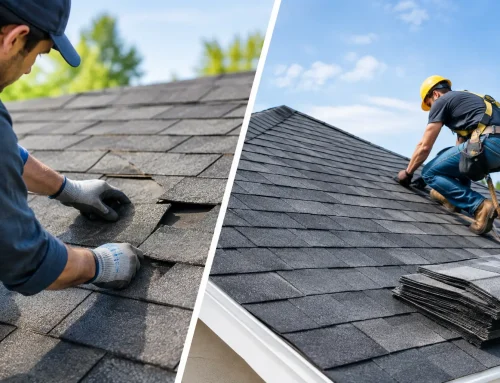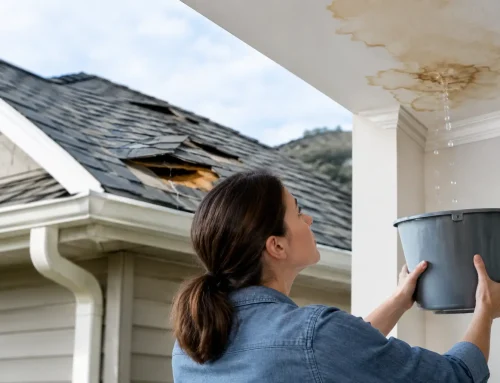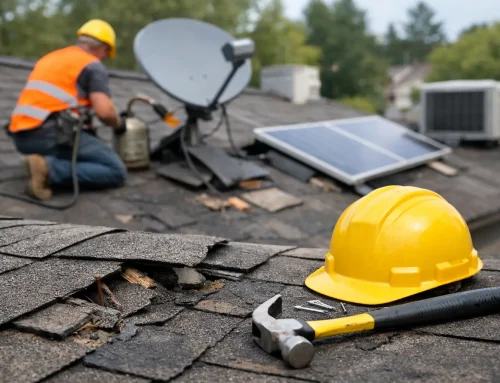

A hailstorm can leave a roof looking perfectly normal from the driveway, then reveal its damage weeks or months later through a water spot on the ceiling. So, can hail damage cause roof leaks? Yes. Hail can crack, bruise, loosen, or puncture roofing materials and create weak points that eventually allow water into the home.
The leak may not begin during the storm itself. A damaged shingle can still shed water for a while, especially in mild weather. But after repeated rain, wind-driven storms, or freeze-thaw cycles, that weakened area can become an active leak. The sooner the damage is identified, the more options you have to prevent interior repairs and protect a potential insurance claim.
How Hail Damage Leads to a Roof Leak
Most hail damage starts with the roof’s protective outer layer. On asphalt shingles, hail can knock away protective granules, fracture the shingle surface, or leave a soft bruise beneath the granules. That bruise may not look dramatic, but it can weaken the shingle enough for it to split, curl, or deteriorate earlier than it should.
Once the shingle surface is compromised, water has a path toward the layers underneath. Roof underlayment provides another level of protection, but it is not intended to compensate for widespread damaged shingles over the long term. Water can eventually reach the roof decking, insulation, walls, and ceilings.
Hail can also damage areas that are already more vulnerable to leaks. Flashing around chimneys, skylights, vents, and valleys may be dented or loosened. Rubber pipe boots can crack. Metal roof panels can be punctured or have damaged seams. Gutters and downspouts may dent or pull away, causing water to overflow near roof edges and behind fascia.
Not every hailstorm causes a leak, and not every dent means a roof replacement is necessary. The risk depends on hail size, wind direction, roof age, material type, slope, and the roof’s condition before the storm. A newer roof may withstand one storm well, while an older roof with brittle shingles may be damaged by smaller hail.
Signs of a Hail-Damaged Roof Leak
Interior water stains are an obvious warning sign, but they are often late-stage evidence. By the time a brown ring appears on a ceiling, water may have already traveled through insulation or along framing before becoming visible. A musty odor in an attic, damp insulation, peeling paint near the ceiling, or swollen drywall can also point to a roof leak.
Outside, visible damage can be subtle. Missing granules may collect in gutters or at downspout exits. Shingles may show dark circular spots, exposed matting, cracks, or edges that no longer lie flat. On a metal roof, look for dents near seams, fasteners, vents, and flashing – not just across open panels.
It is also worth checking nearby surfaces after a storm. Hail dents on soft metals such as gutters, roof vents, window screens, mailbox tops, and air-conditioning equipment can indicate that the roof was exposed to enough impact to deserve a professional inspection. Those items do not prove roof damage on their own, but they help tell the storm story.
Why You May Not See Damage From the Ground
Roofing systems are designed to shed water, and many hail impacts do not create an immediate hole. Instead, they reduce the roof’s ability to withstand future weather. Granule loss exposes asphalt to ultraviolet light. Small fractures widen as the roof expands in summer heat and contracts during cold weather. Wind can lift a weakened shingle and break its seal.
That delayed failure is why a quick look from the yard is not enough to rule out storm damage. Climbing onto a roof without the right equipment can also be dangerous and may cause additional damage. A qualified inspection is safer and provides a clearer picture of the roof, flashing, vents, and drainage system.
What to Do After a Hailstorm
Start by documenting what you can safely see. Take dated photos of hail accumulation, damaged gutters, siding, screens, windows, and any interior staining. If water is entering the home, move belongings away from the affected area and place a container beneath the drip if it is safe to do so. Avoid puncturing a ceiling bulge full of water unless a restoration professional has advised you, since pooled water can create electrical and structural hazards.
Next, arrange a roof inspection promptly. A detailed inspection should include the roofing material, ridge caps, flashing, pipe boots, vents, valleys, gutters, and any accessible attic areas. Clear photographs and written findings are especially helpful if you need to file an insurance claim.
If active leaking is occurring, temporary emergency protection may be needed before permanent repairs can be completed. Tarping can limit additional water intrusion, but it should be installed carefully and documented. Keep receipts and records for reasonable emergency measures, and do not wait for the next storm if the roof is exposed.
Be Careful With Storm-Chasing Recommendations
After a major hail event, property owners may receive unsolicited offers for immediate roof work. Urgency is understandable when storms have passed through, but a reliable contractor should explain what was found, show supporting documentation, and give you space to understand your options.
Avoid anyone who promises to cover your deductible, pressures you to sign before an inspection is complete, or claims they can guarantee an insurer’s decision. Insurance coverage depends on your policy, the documented damage, and the insurer’s evaluation. An experienced storm restoration contractor can help organize the facts and meet with an adjuster when appropriate, but honest guidance matters more than big promises.
Does Insurance Cover Hail-Related Roof Leaks?
Many homeowners and commercial property policies may cover sudden hail damage, subject to deductibles, exclusions, depreciation, policy limits, and the specific type of roof coverage you carry. Coverage varies, so reviewing your policy and speaking with your insurance company is the best way to understand your situation.
The condition of the roof matters. Insurers generally distinguish between sudden storm damage and ordinary wear, age-related deterioration, poor maintenance, or pre-existing leaks. This is another reason timely documentation is valuable. If hail damages shingles in spring but a leak is not discovered until fall, photos, weather dates, inspection reports, and repair records can help establish a clear timeline.
Crown Exteriors LLC helps property owners document storm-related damage, understand repair recommendations, and communicate clearly during the claims process. The goal is not to force a replacement when a repair will do. It is to identify the full scope of storm damage and help you make an informed decision about protecting the property.
Repair or Replacement: What Makes Sense?
A localized leak from a damaged vent boot, flashing section, or a small number of shingles may be repairable. This is often the best path when the surrounding roof is in good condition and matching materials are available. A professional should also check whether nearby shingles were weakened, since repairing only the visible leak may not address the underlying storm impact.
Replacement may be more practical when hail damage is widespread, shingles are brittle or nearing the end of their service life, or multiple roof components have been compromised. In some cases, repairs can create noticeable color differences or require disturbing aged shingles that are likely to crack. The right recommendation should account for the roof’s overall condition, not just the first damaged spot.
Commercial roofs require a similarly careful approach. Hail can damage membrane seams, coatings, drains, edge metal, and rooftop penetrations. Small punctures or cracks may allow moisture beneath the membrane, where it can spread before an interior leak becomes apparent. Prompt inspection is particularly valuable for flat and low-slope roofing systems.
Do Not Wait for the Ceiling Stain
A hail-damaged roof does not always announce itself with missing shingles or a steady drip. Sometimes the first evidence is a small amount of granules in the gutter, a dented vent, or a faint stain that appears after the next hard rain. Acting early can mean the difference between a straightforward roof repair and damage to insulation, drywall, flooring, and personal belongings.
If your property has been through a hailstorm, treat a professional inspection as practical protection, not a sales appointment. A clear assessment gives you the information to repair what needs repair, document what needs documentation, and move forward with confidence before a minor weakness becomes a costly leak.
Related Posts
If you enjoyed reading this, then please explore our other articles below: