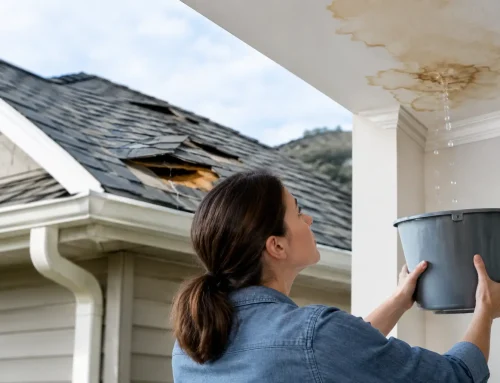

A hailstorm can leave a roof leaking before an insurance claim is settled, an adjuster has visited, or the full scope of repairs is clear. That gap is why roof financing after storm damage can be a practical concern for homeowners and property managers. The right approach is not simply finding money quickly. It is protecting the property now while making decisions that work with your insurance coverage, budget, and long-term plans.
A damaged roof deserves prompt attention, but prompt does not mean pressured. Start with a professional inspection, clear documentation, and an honest explanation of what needs immediate stabilization versus what can wait for claim review. That process gives you a stronger basis for any financing decision.
Start With the Insurance Claim, Not a Loan Application
When storm damage may be covered, insurance is usually the first source of funding to understand. A roof claim can involve more than shingles. Wind, hail, fallen limbs, damaged flashing, gutters, siding, and interior water intrusion may all be part of the same loss. Missing related damage can affect both the repair plan and the amount you need to pay out of pocket.
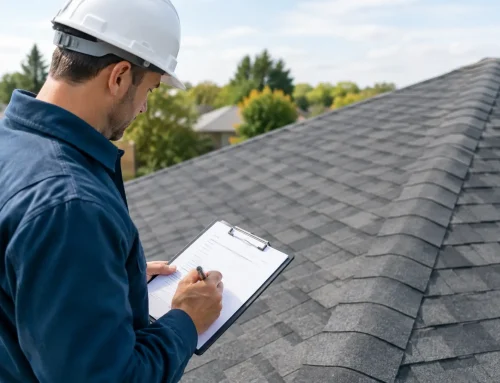
Request a thorough roof and exterior inspection as soon as it is safe to do so. Photos, measurements, material observations, and a written damage assessment create a record before additional weather or temporary repairs change the condition of the property. If there is an active leak or exposed roof area, emergency tarping may be necessary to help prevent further damage.
Your policy deductible is generally your responsibility, even when the claim is approved. Coverage limits, depreciation, exclusions, and the type of policy also matter. Some policies release funds in stages, with an initial payment based on actual cash value and additional recoverable depreciation paid after work is completed and documented. Others handle replacement cost differently. Read your policy and speak with your carrier or agent about the details that apply to your property.
An experienced storm restoration contractor can help document damage and meet with the adjuster when appropriate. Crown Exteriors LLC helps property owners understand the restoration process and organize the information needed for a clear claim discussion. The carrier makes the coverage decision, but careful documentation can reduce avoidable confusion and delays.
When Roof Financing After Storm Damage Makes Sense
Financing is not automatically the best choice, but it can be useful in a few common situations. You may need to cover an insurance deductible before final claim funds arrive. You may have urgent repairs that cannot wait for payment processing. Or your insurance settlement may address storm-related damage while you choose to pay separately for upgrades, such as improved ventilation, new gutters, or a higher-priced shingle color.
For commercial property owners, financing can also help preserve operating cash while a larger restoration project moves forward. The calculation is different for every building. A short-term payment plan may be reasonable when it prevents water damage, business interruption, or a larger repair later. A long financing term with high interest may be less attractive if the needed work is modest and a claim payment is expected soon.
Before signing anything, separate the project into three numbers: the insurance-approved work, the deductible and other owner responsibility, and any elective upgrades. That simple step prevents a common misunderstanding – treating a whole replacement estimate as an out-of-pocket balance when insurance may pay a significant portion.
Compare Funding Options by Total Cost and Timing
Roof financing is often available through contractor partner programs, banks, credit unions, home equity products, and personal loans. The best option depends on your credit profile, available equity, claim status, and how soon the roof must be repaired.
A contractor-arranged financing program may offer a quick application process and fixed monthly payments. Some programs advertise promotional rates or deferred-interest periods. Read the terms closely. Deferred interest can become expensive if the balance is not paid in full before the promotional period ends, and approval terms vary by applicant.
A personal loan may provide predictable payments without placing a lien on the property, though interest rates can be higher than secured options. Home equity loans or lines of credit may offer lower rates for qualified borrowers, but they can take longer to arrange and use your home as collateral. A credit union may be worth checking because local institutions sometimes offer competitive rates and more personal service.
Avoid using a financing decision to skip the claim process. If storm damage is covered, financing should bridge a timing gap or address legitimate owner-paid costs, not replace money that may be available through insurance. Also be cautious about putting a large project on a high-interest credit card unless you have a clear, short payoff plan.
Questions to Ask Before You Finance a Roof
The monthly payment gets attention, but it is not the only number that matters. Ask for the full project agreement and financing disclosure before work begins. You should understand the annual percentage rate, total amount financed, loan term, payment due date, late-payment consequences, and whether early payoff carries a penalty.
It also helps to ask how insurance proceeds will be handled. If your claim payment arrives after you finance the deductible or emergency work, can you apply those funds to the loan balance? If recoverable depreciation is issued after completion, what documents will the insurer need? A contractor should be able to explain the project paperwork clearly without making promises about what your insurance company will pay.
Get clarity on the scope of work as well. A detailed estimate should identify materials, repair areas, tear-off or installation methods, ventilation considerations, cleanup, permits where required, warranty information, and any work excluded from the price. Financing a vague estimate is a risk. Financing a well-defined restoration plan is easier to evaluate.
Do Not Let Financing Pressure You Into the Wrong Roof
After a storm, homeowners are often balancing calls from insurance, concerns about leaks, and worries about cost. That stress can make a fast offer sound like the only option. It is not.
Be especially careful if anyone asks you to sign a contract before explaining the deductible, promises to waive or absorb an insurance deductible, or insists you must decide before you have seen a written scope. Deductible waivers may violate state law or create serious problems with an insurance claim. A trustworthy contractor will explain the real numbers and let you ask questions.
The same caution applies to upgrades. Better impact-resistant shingles, improved ventilation, or gutter replacement may be smart investments for your property, but they should be choices you understand. Consider the local weather pattern, the age of the building, future ownership plans, warranty terms, and the amount you would finance beyond the covered work.
A Practical Plan for the Days After the Storm
First, protect people and property. Stay away from downed power lines, unstable trees, and visibly compromised roof areas. If water is entering the building, document the damage and arrange safe temporary protection as quickly as possible.
Next, schedule a professional inspection and notify your insurer if you believe the storm caused damage. Keep copies of photos, claim correspondence, estimates, invoices, and receipts for temporary repairs. Do not discard damaged materials until your insurer says it is appropriate, unless removal is necessary to prevent further loss.
Then review the contractor’s scope alongside the insurance estimate. Differences are not always a problem. They may reflect missed items, code requirements, material details, or a need for supplemental documentation. The goal is to resolve those differences with facts, not assumptions.
Only after you know the likely claim outcome and your actual responsibility should you choose a financing path. If work cannot wait, finance the smallest practical amount on terms you can comfortably manage. If claim funds are expected shortly, ask how a larger early payment will affect your loan balance and future monthly payments.
A storm-damaged roof is stressful, but you do not have to make every decision in one afternoon. Get the damage inspected, keep the claim organized, and choose funding that protects both your property and your peace of mind. A clear plan today can help prevent a manageable repair from becoming a much larger problem tomorrow.
Related Posts
If you enjoyed reading this, then please explore our other articles below: