
A homeowner files a storm claim, gets the insurance paperwork, and thinks the hard part is over – until the contractor reviews it and says the numbers do not match the actual repair. That is where insurance estimate versus contractor estimate becomes a real issue, not just a paperwork detail. If you are looking at two different totals for the same roof, siding, or gutter damage, there is usually a reason.
The short version is this: an insurance estimate is the carrier’s written scope and pricing based on what its adjuster observed and what the policy may cover. A contractor estimate is the price to complete the work correctly based on real site conditions, material needs, local labor costs, code requirements, and the damage found during inspection. Sometimes those two documents are close. After a storm, they often are not.
Insurance estimate versus contractor estimate: what is the difference?
An insurance estimate is not automatically a final price for everything your property needs. It is often the insurer’s starting position based on the information available at the time of inspection. That can include measurements, line items, depreciation, deductible, and notes about what the carrier agrees to pay for at that stage of the claim.
A contractor estimate serves a different purpose. It reflects the actual cost to repair or replace the damaged area using proper installation methods and materials. A good contractor is not just assigning a number. They are accounting for tear-off, underlayment, flashing, ventilation, steep charges, waste factor, labor availability, haul-off, permit needs, and other job-specific details that affect whether the work can be completed the right way.
This is why a lower insurance estimate does not always mean your contractor is overcharging. It may simply mean the insurance scope is incomplete, based on limited access, or missing items that were not visible during the first inspection.
Why the numbers often do not match
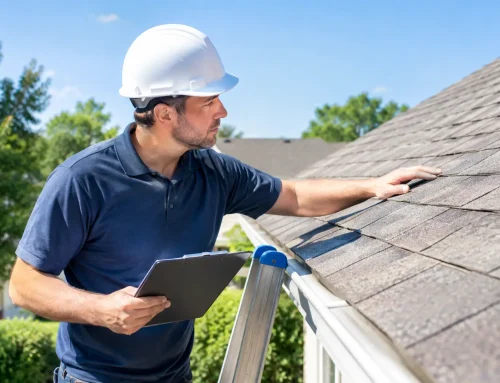
In storm restoration, mismatched estimates are common. The adjuster may have had a limited amount of time on site, may not have seen all elevations, or may have documented only obvious damage. Interior leaks, soft decking, detached flashing, damaged starter, code upgrades, and accessory components are easy to miss if the inspection is brief or conditions are unsafe.
Pricing can also differ. Insurance carriers often use estimating platforms with local market pricing, but those databases do not always capture current job conditions perfectly. In periods of heavy storm activity, labor and material costs can move fast. If your area has high demand after hail or wind events, real-world contractor pricing may rise before estimate databases catch up.
Another factor is scope. The insurance paperwork might include replacement for shingles but not drip edge, ice and water shield, chimney flashing, or detached gutters damaged in the same storm. The contractor may include those items because they are required to complete the project properly. That does not make the contractor estimate inflated. It may mean the contractor is looking at the full repair while the insurance estimate only reflects what has been approved so far.
What an insurance estimate usually includes
Most insurance estimates break the project into line items. You may see roof tear-off, felt or synthetic underlayment, shingle replacement, ridge cap, flashing, and labor. You will also usually see deductible information and depreciation if your policy applies it.
What confuses many property owners is that the document looks final. It is detailed, itemized, and printed with totals. But detailed does not always mean complete. Many claims begin with an initial scope and then change if additional damage, missed items, or code-related requirements are documented later.
That is especially true for roofing and exterior storm claims, where hidden damage can affect what the property actually needs.
What a contractor estimate should include
A strong contractor estimate should be specific, readable, and grounded in the actual condition of the property. It should reflect what it takes to restore the damaged area, not just patch what is easiest to see.
For roofing work, that may include roofing components, ventilation adjustments, flashing replacement, valley work, decking concerns, steep or high charges, disposal, permit costs, and cleanup. For siding or gutters, it may include accessory pieces, matching issues, detach and reset requirements, and labor needed to reach affected sections safely.
Just as important, the contractor should be able to explain why each item is there. Homeowners should never feel pressured to accept a number they do not understand. Clear explanations matter, especially when you are comparing the contractor’s findings against insurance paperwork.
Which estimate is the right one?
That depends on what you mean by right.
If you are asking which document controls what the insurance company pays at that moment, the insurance estimate is the current payment basis. If you are asking what it actually costs to complete the repair correctly, the contractor estimate may be closer to reality. Those are not always the same thing at the beginning of a claim.
The goal is not to pick one and ignore the other. The goal is to reconcile them. A qualified contractor can review the carrier’s scope, identify missing or underpaid items, document the differences, and communicate those items back to the adjuster or desk reviewer. That process is often how claims move from an incomplete first estimate to a more accurate approved scope.
Red flags to watch for
Not every difference between estimates is reasonable. Some are signs that you need to slow down and ask questions.
If an insurance estimate is dramatically low and leaves out obvious components, that deserves a closer review. If a contractor estimate is vague, padded with unclear charges, or lacks supporting detail, that deserves scrutiny too. The safest path is transparency. You want an estimate built on documented damage, code requirements where applicable, and the actual work needed to restore the property.
You should also be careful with contractors who promise to waive deductibles or use unclear language about what insurance will cover. Honest claim support is about documentation and communication, not shortcuts.
How to handle an insurance estimate versus contractor estimate gap
Start by asking your contractor to compare the insurance scope line by line. This matters more than simply comparing total price. Sometimes the totals are different because one estimate includes major items the other does not. Until you identify those gaps, the numbers alone do not tell the whole story.
Next, make sure the contractor documents missing or insufficient items with photos, measurements, and written explanations. If code upgrades apply, those should be identified clearly. If materials are discontinued or matching is an issue, that should be documented as well.
Then, submit the supplemental information properly. In many cases, the insurer will review additional documentation and revise the claim if the support is strong. This is where an experienced storm restoration contractor can make a major difference. They know how to present scope issues clearly so the conversation stays focused on the repair, not confusion.
For homeowners, the biggest mistake is assuming they must either accept the first insurance number or pay the entire difference out of pocket. Sometimes that happens, depending on policy terms and non-covered work. But many estimate gaps are resolved through supplements when the missing items are documented correctly.
Why experience matters after storm damage
After a major weather event, you do not just need someone who can install shingles or replace gutters. You need someone who understands the claims process, knows how storm damage is documented, and can explain the repair scope in a way the carrier can review efficiently.
That is one reason many property owners want an insurance-claim specialist involved early. The right contractor helps reduce delays, missed items, and unnecessary stress. At Crown Exteriors LLC, that support starts with a thorough inspection and continues through the claim and restoration process so property owners are not left trying to decode paperwork on their own.
The smartest next step
If your insurance estimate and contractor estimate do not match, do not panic and do not rush into a decision based on the lower number. Ask for a professional inspection, a clear scope review, and a direct explanation of what is missing, what is covered, and what may still need to be approved.
Storm damage claims are stressful enough without guessing your way through the paperwork. When the estimates are handled carefully and honestly, the path forward usually becomes much clearer – and so does the work your property actually needs.
Related Posts
If you enjoyed reading this, then please explore our other articles below: