
A branch can hit a roof with enough force to crack shingles, puncture decking, bend gutters, or shift flashing without leaving an obvious hole. That is what makes fallen branch roof damage easy to underestimate. Even when the branch is small and the roof looks mostly intact from the ground, water can find its way beneath damaged materials during the next rain.
The first priority is safety, followed by protecting the property and documenting what happened. A qualified roof inspection can determine whether you need a targeted repair, emergency protection, or a larger insurance-related restoration. Acting promptly gives you the best chance to prevent a manageable repair from becoming interior water damage.
What to Do After a Branch Falls on Your Roof
Start by staying off the roof. Damaged shingles and wet surfaces are slippery, and a branch may have weakened the roof beneath it. If the branch is touching a power line, keep everyone away from the area and contact your utility provider or emergency services as appropriate. Do not attempt to remove it yourself.
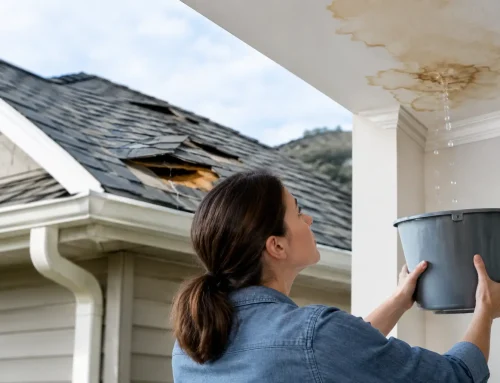
From the ground, take clear photos and video of the branch, visible roof damage, damaged gutters, siding, windows, fencing, and any debris around the property. If you can safely see the attic, look for fresh water stains, damp insulation, drips, or daylight showing through the roof deck. Place a bucket beneath an active drip and move furniture, electronics, and valuables out of the affected area.
If rain is expected or there is an obvious opening in the roof, call for emergency tarping or temporary protection right away. A professionally installed tarp is not a permanent repair, but it can limit additional damage while the roof is inspected and your claim is reviewed.
You should also contact your insurance carrier early, especially after a storm. Give them the basic facts and ask about their process, but avoid guessing about the extent or cost of damage. The inspection and documentation should establish those details.
How Fallen Branch Roof Damage Can Affect More Than Shingles
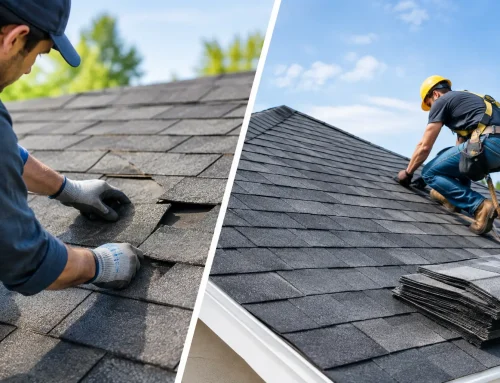
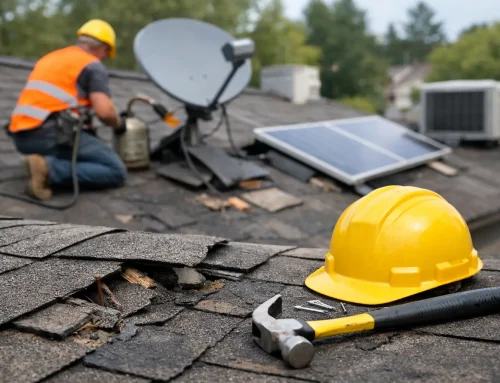
The most visible damage is often a torn or missing shingle. That matters, but it is only one part of the roof system. A heavy limb can crack the plywood decking underneath, loosen nails, bruise asphalt shingles, and damage the seals that help keep wind-driven rain out.
Flashing is another common concern. This metal material protects vulnerable transitions around chimneys, walls, vents, skylights, and valleys. If a branch bends or lifts flashing, water may enter at a point that is difficult to notice until a ceiling stain appears weeks later.
Gutters and downspouts deserve a close look as well. A branch can pull gutters away from the fascia, create low spots that hold water, or disconnect a downspout. Water then overflows near the home instead of being directed away from the foundation. On commercial properties, a damaged drainage path can add unnecessary stress to already vulnerable roof areas.
There is also a difference between a branch that lands on the roof and one that scrapes across it. A light scrape may only leave cosmetic marks. A larger limb that bounces, twists, or falls from height can create concealed fractures in shingles and decking. The only dependable way to separate cosmetic damage from a water-entry risk is a hands-on inspection.
Warning Signs to Watch for Indoors
After the initial cleanup, monitor the interior for changes. Water does not always appear immediately, particularly if the roof has multiple layers or insulation slows its path. Watch for a growing ceiling stain, peeling paint, a musty odor, damp attic insulation, or water marks near exterior walls.
If you see these signs, do not wait for the next storm to confirm the problem. Moisture trapped in a roof or attic can support mold growth and damage framing, drywall, and insulation. Early repair is usually less disruptive and less expensive than repairing a leak after it spreads.
When a Repair Is Enough and When Replacement May Be Needed
Not every fallen branch requires a new roof. If the impact is limited to a small area and the surrounding shingles, decking, flashing, and ventilation components are sound, a professional repair may be the right solution. A good repair matches materials as closely as possible and restores the roof’s ability to shed water.
Replacement becomes more likely when the impact exposes widespread decking damage, the roof has multiple storm-related issues, or existing materials are brittle and nearing the end of their service life. Matching older shingles can also be difficult. A repair that is structurally sound may still look noticeably different from the rest of the roof, which is a practical consideration for many homeowners.
The right recommendation depends on the condition of the entire roofing system, not just the spot beneath the branch. An honest contractor should explain what is damaged, what can be repaired, what should be monitored, and why. You should not feel pressured into replacement when a quality repair will protect the property, and you should not accept a surface-level patch when the roof deck or flashing has been compromised.
Documenting Damage for an Insurance Claim
Many policies may cover sudden, accidental damage from a fallen tree or branch, subject to deductibles, exclusions, policy language, and the cause of the event. For example, a healthy branch that falls during a windstorm may be handled differently than damage connected to long-term neglect or a pre-existing roof problem. Your insurer makes the coverage decision, so clear documentation matters.
Keep your photos, videos, date of loss, weather details, contractor findings, invoices, and any temporary mitigation receipts in one place. Do not throw away damaged materials until your insurance company or contractor confirms they are no longer needed for documentation. If emergency work is necessary to prevent further damage, save the receipt and take photos before and after the work is completed.
A detailed inspection report can help show the full scope of loss. It should identify damaged roof components, related exterior damage, and any interior signs tied to the event. This is especially valuable when the visible branch is removed before an adjuster visits or when the impact damage is subtle.
Crown Exteriors can inspect the property, document storm-related damage, and help you understand the next steps when working through an insurance claim. The goal is straightforward: protect your property first, provide clear information, and help avoid delays caused by incomplete documentation.
Why Fast Action Protects Your Property
A roof does not need a large hole to leak. A lifted shingle edge, cracked vent boot, or dented flashing seam can allow water in slowly. By the time a stain shows up on the ceiling, moisture may have traveled several feet from the original entry point.
Prompt attention also helps preserve your claim documentation. The branch, weather conditions, and fresh damage are easier to connect when they are inspected soon after the event. Waiting too long can make it harder to distinguish storm damage from later wear, additional storms, or water damage that has expanded over time.
Fast action does not mean rushing into a major repair without information. It means securing the area, getting a professional assessment, documenting the condition, and making a plan based on the actual damage. That approach protects both your home and your budget.
Preventing the Next Branch Impact
Tree maintenance is one of the most practical ways to reduce future roof risk. Have mature trees evaluated when branches extend over the roof, show signs of decay, or have been weakened by prior storms. Pay close attention to dead limbs, split trunks, branches rubbing the roof, and trees that lean toward the structure.
Trimming should be handled carefully. Removing too much growth at once can harm a tree, while improper cuts can leave it more vulnerable in high winds. A qualified tree professional can identify hazardous limbs and recommend a sensible maintenance plan. After major storms, a simple walk around the property can also reveal newly hanging or broken branches before they become a roofing emergency.
If a branch has landed on your roof, trust what you can see but do not rely on it alone. A prompt inspection provides the clarity to make the next decision with confidence, whether that means a small repair, temporary protection, or support through a larger restoration.
Related Posts
If you enjoyed reading this, then please explore our other articles below: