
A homeowner storm claim success example usually does not begin with a dramatic hole in the roof. More often, it starts with a strong hail or windstorm, a few shingles on the ground, and a homeowner who is unsure whether the damage is serious enough to report. That uncertainty can be costly. Storm damage is not always visible from the yard, and waiting too long can make documentation, emergency repairs, and claim conversations more difficult.
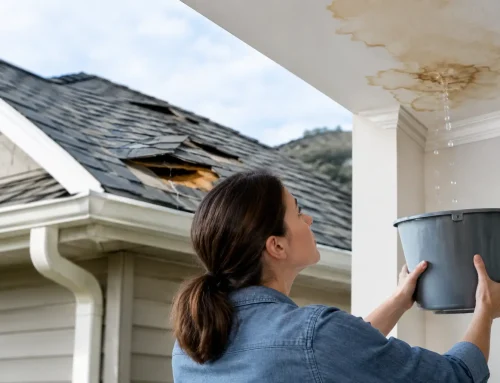
Consider a homeowner whose property was hit by a spring hailstorm with high winds. The home looked mostly intact from the driveway, but the owner noticed granules collecting near a downspout and a small water stain forming on a second-floor ceiling. Instead of assuming the roof only needed a minor repair, the homeowner requested a professional inspection before filing a claim.
That first decision set the claim on a much better path.
A Homeowner Storm Claim Success Example, Step by Step
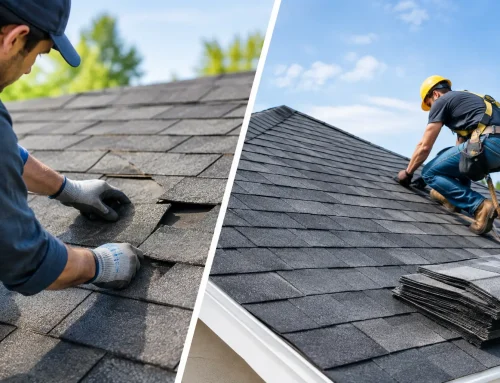
During the inspection, the contractor found hail strikes across multiple roof slopes, lifted and creased shingles caused by wind, and damaged metal components around roof penetrations. The gutters also showed impact marks, while several pieces of siding had storm-related damage. None of these issues alone told the whole story. Together, they created a documented record of a storm loss affecting several exterior systems.
The homeowner received clear photos, notes on the observed damage, and an explanation of what could happen next. The goal was not to promise an insurance outcome. Coverage depends on the policy, deductible, cause of loss, prior damage, exclusions, and the insurance carrier’s inspection. The goal was to give the homeowner accurate information and supporting documentation before the claim process moved forward.
A claim was then reported to the insurance company. The homeowner shared the date of loss, described the visible concerns, and provided the insurer with the information requested. While the claim was being reviewed, the contractor helped protect the home from additional water intrusion. A temporary repair or emergency tarp can be especially important when roof damage has created an active leak. It protects the property and shows that the homeowner took reasonable steps to prevent further damage.
Documentation Made the Difference
Insurance adjusters need to evaluate the damage themselves, but thorough documentation helps ensure the discussion starts with the full condition of the property. In this case, the contractor organized photographs by roof slope and exterior elevation, showing damaged shingles, soft-metal impacts, gutters, and related components. Measurements and repair requirements were also prepared so the scope could be discussed clearly.
This matters because a storm claim is not simply a conversation about whether a roof looks worn. Hail damage can fracture or bruise the shingle mat. Wind can break the seal between shingles or crease them in a way that affects their ability to shed water. A roof may still look acceptable from the ground while having damage that warrants closer review.
The homeowner also kept records of the storm date, interior leak photos, temporary protection work, and communications with the insurance company. That level of organization reduced confusion later. When questions came up, the information was already available instead of being reconstructed weeks after the event.
The Adjuster Meeting Was Productive, Not Adversarial
When the insurance adjuster scheduled the property inspection, the homeowner asked the contractor to be present. This is often helpful because roofing and exterior components can be discussed in real time. The contractor can point out documented damage, explain where it was found, and identify repair considerations without speaking for the insurance company or making coverage decisions.
At the meeting, the adjuster inspected the roof and exterior surfaces. Some items matched the initial assessment immediately. Other items required additional discussion, including whether individual damaged shingles could be repaired without creating a mismatch or compromising the existing roof system. Local building code requirements and the availability of matching materials can matter here, but the answer varies by location and policy.
The first insurance estimate included several repair items but did not reflect every component documented during the initial inspection. That is not unusual. Estimates can be revised when new information, code requirements, or overlooked damage is properly supported. The contractor helped the homeowner compare the estimate with the documented scope and submit the relevant information for review.
After that review, the approved scope was updated to include the necessary roof replacement work and related exterior repairs. The homeowner remained responsible for the policy deductible, as required. No reputable contractor should offer to hide, waive, or manipulate a deductible. Honest claim support means helping homeowners understand the numbers, not creating problems later.
A Clear Scope Helped the Project Move Quickly
Once the claim scope was settled, material selection and scheduling could begin. The homeowner chose a shingle color that worked with the siding and brick, while the contractor explained available material and warranty options. This stage is about more than curb appeal. The right roofing system should be installed according to manufacturer requirements and local code, with attention to ventilation, flashing, underlayment, and the details that protect the home long after the storm is forgotten.
The work included removal of the damaged roofing materials, replacement of the roof system, repair of affected gutters, and cleanup of the property. The homeowner received updates on the schedule and knew who to contact with questions. That communication matters when a family is dealing with a damaged home, insurance paperwork, and the disruption of a construction project.
The successful outcome was not just an approved claim. It was a home that was properly inspected, protected from further damage, restored with a clear scope, and completed without the homeowner having to manage every technical conversation alone.
Why This Claim Went Better Than Many Others
The homeowner acted early, before a minor ceiling stain became a larger interior repair. The inspection was detailed rather than rushed, and the documentation connected the storm event to specific conditions on the property. The contractor was available during the adjuster inspection and helped clarify the repair scope when questions arose.
Just as important, the homeowner avoided common mistakes. They did not sign with the first person who knocked on the door after the storm. They did not rely on a quick visual check from the ground. They also did not begin permanent repairs before the insurer had an opportunity to inspect the reported damage.
A successful result does not mean every claim will lead to a full roof replacement. Sometimes damage supports a targeted repair. Sometimes the policy has limitations, the deductible is higher than expected, or the insurance company determines that the condition is not covered storm damage. A trustworthy contractor should be honest about those possibilities. The right recommendation is the one supported by the condition of the property, not the largest possible project.
What to Do After the Next Storm
After hail or high winds, look for missing shingles, loose flashing, granules in gutters, dented metal, damaged siding, and signs of water inside the home. Do not climb onto the roof yourself. Photograph what you can safely see from the ground, note the storm date, and arrange a professional inspection if you suspect damage.
If there is an active leak, prioritize emergency protection. Then ask for a clear explanation of the findings, photos of the affected areas, and guidance on whether filing a claim may be reasonable. Crown Exteriors can inspect storm damage, document the condition, and help homeowners communicate clearly throughout the insurance restoration process.
The best time to understand the condition of your roof is before a small storm concern turns into a larger repair. A prompt inspection gives you facts, options, and a practical next step when your home needs attention.
Related Posts
If you enjoyed reading this, then please explore our other articles below: