
The first 24 hours after a storm usually decide whether the damage stays manageable or turns into a much bigger repair. A small roof puncture can become soaked insulation, stained ceilings, warped framing, and mold concerns faster than most property owners expect. That is why a storm damaged property restoration guide should start with one simple idea: act quickly, but do not guess.
When wind, hail, or heavy rain hits your home or commercial building, the goal is not just to fix what looks damaged from the ground. It is to protect the property, document the loss, and move through repairs in the right order so you do not lose time, money, or insurance support. The process can feel overwhelming, especially when damage is not obvious. A roof can be compromised long before water shows up inside.
Storm damaged property restoration guide: what to do first
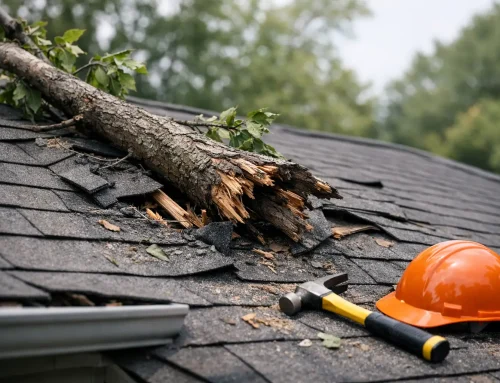
Start with safety. If power lines are down, there is structural collapse, active leaking near electrical fixtures, broken glass, or large tree impact, keep people out of the affected area and contact emergency services or your utility company as needed. Do not climb on a storm-damaged roof. Wet surfaces, lifted shingles, and soft decking create serious fall risks.
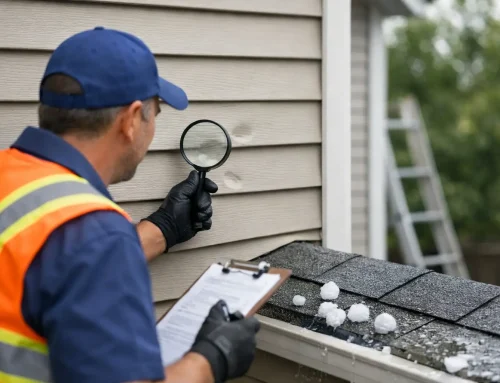
Once everyone is safe, take clear photos and videos of the damage from the ground and from inside the property. Capture roof debris, missing shingles, dented gutters, siding damage, ceiling stains, broken windows, and any water intrusion. If outdoor furniture, fencing, HVAC units, or other exterior features were hit, document those too. Good documentation helps support your insurance claim and creates a record of conditions before temporary repairs begin.
Your next move should be to stop additional damage. That may mean emergency tarping, boarding up exposed openings, or moving valuables away from leaks. Insurance policies generally expect property owners to take reasonable steps to prevent further loss. The key word is reasonable. Temporary protection is smart. Permanent repairs before a full inspection can create claim complications.
Why a professional inspection matters early
After a storm, many owners look for visible signs and assume no major damage exists if the roof still appears intact from the driveway. That is a costly mistake. Hail bruising, lifted shingle seals, flashing displacement, granule loss, and punctures around vents or ridge caps are easy to miss without a trained inspection.
A thorough inspection does more than confirm whether you need repair or replacement. It creates a damage record, identifies urgent problem areas, and helps establish whether the loss is likely insurance-related. For commercial properties, that inspection may also involve drainage paths, membrane damage, coping, rooftop equipment, and areas where ponding water can create hidden failure points.
This is where experience matters. A contractor who understands storm restoration and insurance documentation can spot issues that affect both the scope of repairs and the claim itself. That does not mean every storm leads to a full replacement. Sometimes a targeted repair is the right answer. Sometimes the damage is spread widely enough that partial work will only create future problems. Honest recommendations matter more than fast promises.
Understanding the insurance side without getting lost in it
Insurance claims are one of the biggest stress points in storm recovery because most property owners do not deal with them often. The process sounds simple until you are trying to match inspection findings, policy language, adjuster notes, depreciation, deductibles, and repair timing.
In most cases, the process begins when you file a claim with your carrier after confirming there is likely storm-related damage. The insurance company then schedules an adjuster inspection. That inspection is important, but it is not always the full picture. Adjusters work quickly, and some damage is easier to understand when your contractor is present to point out affected areas, explain what was hit, and provide supporting documentation.
A good restoration partner helps reduce confusion here. They can organize photo evidence, identify code-related items, explain repair scope, and help you understand what is approved, what is not, and where supplements may be needed. That support can save time and help avoid under-scoped repairs.
It also helps to keep expectations realistic. Not every claim is approved. Coverage depends on your policy, the cause of loss, prior condition, age of materials, and what the adjuster finds. What you want is a clear, documented case and a contractor who will be straightforward about what the claim process can and cannot do.
The repair timeline depends on the type of damage
Storm restoration is rarely one single repair. It is often a sequence. First comes emergency protection. Then inspection and documentation. Then claim review, material selection, scheduling, and final restoration.
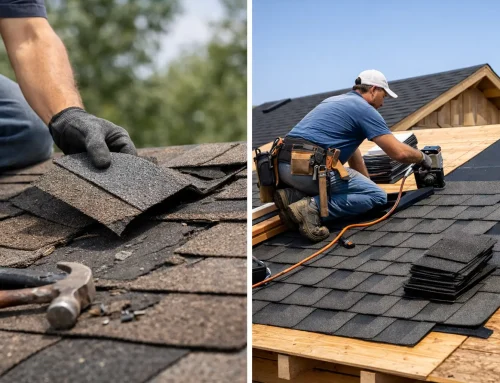
If the roof is the main point of impact, that work usually comes first because the roof protects everything below it. Once the structure is watertight, related work such as gutters, siding, fascia, soffit, and interior repairs can move forward. If windows or doors were damaged, those may need immediate temporary securing while permanent replacements are ordered.
Material availability also affects timing. Some shingle colors, siding profiles, and specialty commercial materials take longer to source after a major regional storm. That is another reason early inspection matters. The sooner your project is documented and scheduled, the better your chances of avoiding extended delays.
Repair or replace? It depends on more than one spot of damage
This is one of the most common questions property owners ask, and the answer is not always obvious. A roof with one isolated issue may only need repair. But if hail strikes are widespread, shingles are brittle, the seal strip has been compromised across multiple slopes, or matching materials are no longer available, replacement may be the better long-term solution.
Age matters, but it is not the only factor. A newer roof can still suffer enough storm impact to justify major work. On the other hand, an older roof with cosmetic wear does not automatically qualify for replacement if the storm damage is limited. The decision should come from inspection findings, repair feasibility, building code requirements, and how well the system can be restored to a dependable condition.
The same logic applies to siding and gutters. A few damaged runs can sometimes be repaired cleanly. In other cases, fading, discontinued products, or widespread impact make piecemeal work a poor investment.
Choosing the right contractor after a storm
Storms bring out excellent contractors and opportunists at the same time. The pressure to act fast is real, but speed should not replace due diligence. Look for a contractor who is licensed and insured where required, experienced in storm restoration, clear about the inspection process, and comfortable walking you through both scope and insurance communication.
You should also pay attention to how they talk. A dependable contractor does not promise a free roof or guarantee claim approval. They explain what they found, what needs immediate attention, and what the next step should be. They answer questions directly and document their work well.
Local reputation matters too. Neighbor feedback, recent project experience, warranty support, and cleanup standards all say a lot about what your experience will be once the contract is signed. Crown Exteriors LLC approaches storm work with that full-service mindset because property owners need more than a crew on install day. They need someone who will help them every step of the way.
What property owners often overlook
The roof gets most of the attention, but storm restoration often reaches beyond shingles. Gutters can detach or dent enough to affect drainage. Siding can crack or loosen, allowing moisture behind wall systems. Flashing can shift just enough to create slow leaks that show up weeks later. Even if the interior looks dry today, hidden moisture can still be present around roof penetrations, wall cavities, and attic insulation.
Commercial owners and managers should be especially careful with flat or low-slope systems. Storm damage there can show up as membrane punctures, seam separation, displaced edge metal, or drainage blockage. Those issues are easy to underestimate until ponding water or interior leaks start affecting tenants and operations.
That is why restoration should be viewed as a property protection process, not just a repair appointment. The goal is to restore performance, preserve value, and avoid repeat problems.
Before work begins, make sure you understand the scope
A solid restoration plan should explain what is being repaired or replaced, what materials are being used, what temporary protection is included, and how the project will be handled if hidden damage is found during tear-off. That last part matters. Storm events can expose older issues that were not visible during the first inspection.
Communication is often what separates a smooth project from a frustrating one. You should know who your point of contact is, how insurance updates will be handled, what the schedule looks like, and what to expect regarding noise, debris protection, and cleanup.
If you are choosing colors during a replacement, think beyond the sample board. The right shingle or siding color should complement the property while still fitting the neighborhood and your long-term plans. Good restoration is about protection first, but curb appeal still matters.
Storm damage is stressful because it combines urgency, cost concerns, and uncertainty all at once. The best response is not to rush into the first estimate or wait until a small issue becomes visible inside. It is to get the property inspected, protect it from further damage, and work with a contractor who treats restoration like a responsibility, not a sales pitch.
Related Posts
If you enjoyed reading this, then please explore our other articles below: