
The hours right after a storm are when small roof problems turn into expensive interior damage. If you are wondering how to protect roof after storm damage, the first priority is simple – keep water out, stay safe, and document everything before the situation gets worse.
Storms rarely damage only one part of a roofing system. Wind can lift shingles, hail can bruise materials without leaving obvious holes, and heavy rain can expose weak flashing around vents, chimneys, and valleys. That is why the right response is not just a quick look from the driveway. It takes a careful, organized approach.
How to protect roof after storm damage safely
Start from the ground. If power lines are down, tree limbs are hanging over the home, or debris is still shifting, keep your distance and call the appropriate emergency service first. A damaged roof is not worth a fall, an electrical injury, or making a bad situation worse.
Walk the perimeter of the property and look for visible signs of damage. Shingles in the yard, bent gutters, dented downspouts, exposed underlayment, fallen branches, and pieces of flashing on the ground all matter. On commercial properties, also watch for pooling water, displaced membrane edges, and damage around rooftop units if they can be viewed safely.
Inside the home or building, check ceilings, attic spaces, upper walls, and around light fixtures for stains, dripping water, damp insulation, or a musty smell. Sometimes the roof opening is small, but the leak travels before it shows itself indoors. If you catch that early, you can often limit drywall, flooring, and insulation damage.
If active leaking is happening, move furniture, electronics, and valuables away from the affected area. Use buckets or containers to catch water and place towels or plastic sheeting around the area to reduce further damage. If a ceiling is bulging with trapped water, that can become a collapse hazard. At that point, the safest move is to get professional help quickly rather than trying to handle it yourself.
What you should do immediately after the storm
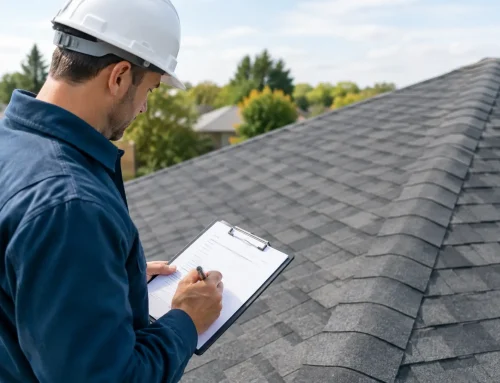
Documentation matters almost as much as temporary protection. Before any emergency repair is made, take clear photos and videos of all visible damage from safe locations. Capture the date if possible, the affected roof slopes, any fallen debris, interior leaks, and damaged siding or gutters. Insurance carriers often want a clear record of storm-related conditions before permanent repairs begin.
Do not throw away damaged materials right away. If shingles, flashing, or other roofing components have blown off and landed on the property, gather them if it is safe and set them aside. Those pieces may help show the type and extent of damage during an inspection or claim review.
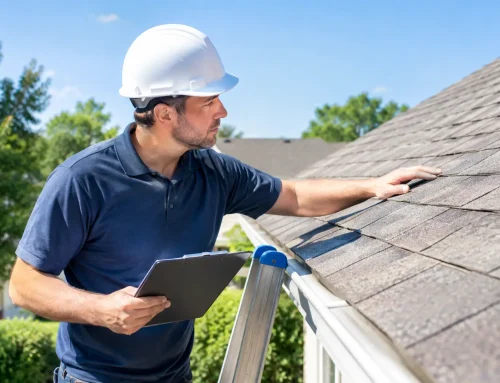
Then contact a qualified roofing contractor that handles storm restoration, not just general repairs. There is a difference. Storm damage often involves hidden issues, insurance documentation, and timing concerns. A contractor experienced in restoration can inspect the full exterior system, identify what is cosmetic versus functional damage, and help prevent a temporary problem from becoming a major replacement.
If your roof is actively exposed, emergency tarping may be needed. That should be done by trained professionals in most cases. A tarp only works when it is properly placed, secured, and extended over the vulnerable area. Done incorrectly, it can trap water, blow off in the next storm, or cause additional damage to shingles and decking.
Temporary protection helps, but it is not the final fix
Many property owners feel relieved once a tarp is installed. That relief is understandable, but a tarp is a short-term measure, not a repair plan. Sun exposure, wind, and repeated rain can break down temporary coverings faster than expected, especially in storm-prone areas like Missouri, Illinois, and Florida.
The same goes for quick patch products from a hardware store. Roofing cement, sealant, and patch tape can help in very limited situations, but they are easy to misuse. If the underlying issue includes lifted shingles, punctured decking, damaged flashing, or hail-related bruising, surface products may hide the problem without solving it.
This is where professional judgment matters. In some cases, a localized repair is enough. In others, the visible leak is only one symptom of broader storm impact. A rushed fix can cost less today and much more a few months from now when moisture intrusion spreads or insurance questions arise.
Signs the storm may have caused more damage than you think
Not every storm-damaged roof looks dramatic from the street. Some of the most expensive claims begin with damage that seems minor at first. Hail can weaken shingle integrity without creating an obvious hole. Wind can break the seal on shingles even if they remain in place. Flashing can pull loose by just enough to let water in during the next rain.
Pay attention if you notice granules collecting in gutters, dark spots on asphalt shingles, creased or lifted tabs, dented vents, cracked sealant around penetrations, or water marks in the attic. For metal roofing, watch for loosened fasteners, displaced panels, or impact marks that compromise protective coatings. Flat roofing systems can also suffer punctures, membrane separation, or drainage issues after severe weather.
A professional inspection helps sort out what needs immediate action and what can be monitored. That matters because not every mark on a roof means replacement, and not every roof that looks fine is actually sound. Honest recommendations are important after a storm, especially when property owners are already dealing with stress.
Protecting your insurance claim while protecting the roof
One of the biggest mistakes after a storm is waiting too long to act. Another is making permanent repairs before the damage has been properly documented. If you are filing a claim, your insurer typically needs evidence of the storm impact and an opportunity to review it.
That does not mean you should let the home keep leaking. It means you should take reasonable steps to prevent further damage while keeping records of what was done. Save photos, inspection notes, emergency invoices, tarp receipts, and any communication related to the loss. Those details can help support your claim and show that you acted responsibly.
It also helps to work with a contractor who understands the claims process. At Crown Exteriors LLC, that often means inspecting the property, documenting storm-related findings, and helping property owners communicate clearly with the insurance adjuster. When the inspection and repair process are organized from the beginning, the claim tends to move more smoothly.
There is one trade-off worth mentioning here. Some damage is obvious enough that homeowners want immediate replacement, while insurers may first evaluate whether repair is appropriate. A good contractor should be honest about that gap and prepared to support the scope with documentation rather than pressure.
When to call for emergency roof service
You should seek emergency service right away if the roof deck is exposed, water is entering the home, a tree or large branch has struck the roof, part of the roofing system has collapsed, or high winds have removed large sections of material. Commercial owners should also act quickly if rooftop equipment curbs, drains, or membrane seams have been compromised.
Even if the leak seems small, time matters. Water follows the path of least resistance, which means a slow drip can soak insulation, stain ceilings, damage framing, and create conditions for mold. The longer moisture sits, the more expensive the recovery usually becomes.
If the damage appears limited and there is no active leak, schedule an inspection as soon as possible anyway. A prompt inspection gives you a better understanding of whether you are dealing with a minor repair, a claim-worthy loss, or a problem that can wait until the next storm turns it into something bigger.
How to reduce the chance of repeat damage
Once the immediate emergency is under control, the next step is strengthening the system. That may include replacing damaged shingles with matching materials, resealing flashing, improving attic ventilation, securing gutters, or addressing older components that made the roof more vulnerable in the first place.
For some properties, the smarter long-term move is a full replacement with better impact resistance or wind performance. For others, targeted repair and maintenance are enough. It depends on the age of the roof, the extent of storm damage, local code requirements, and what your insurance carrier approves.
Routine inspections also make a difference. After a major storm season, having the roof checked by a licensed and insured professional can catch problems before they spread. That is especially valuable for property owners who do not regularly get on ladders or have no clear view of the roof from the ground.
A storm can leave you feeling like you need to make every decision at once. You do not. The best next step is usually the simplest one – protect the interior, document the damage, and get a trusted inspection so you can move forward with confidence instead of guesswork.
Related Posts
If you enjoyed reading this, then please explore our other articles below: