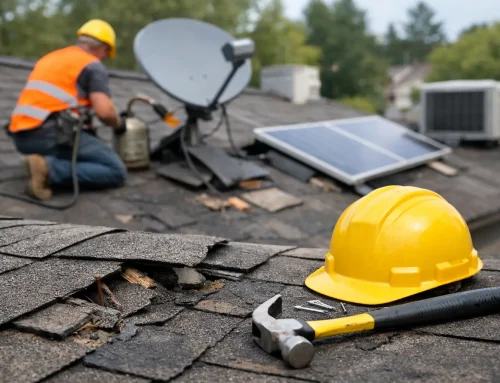

A stain on the ceiling is frustrating. A soft, weakened roof deck above it is a much bigger problem. Roof decking water damage often starts out of sight, which is why many homeowners do not realize how serious it is until a leak, sagging roofline, or storm claim forces the issue.
The roof deck is the layer of wood beneath your roofing materials. It supports shingles, underlayment, and other roofing components, and it helps hold the whole system together. When water gets through that system, the decking can absorb moisture, swell, rot, weaken fasteners, and lose structural strength. That is when a simple roof repair can turn into a larger restoration project.
What roof decking water damage usually looks like
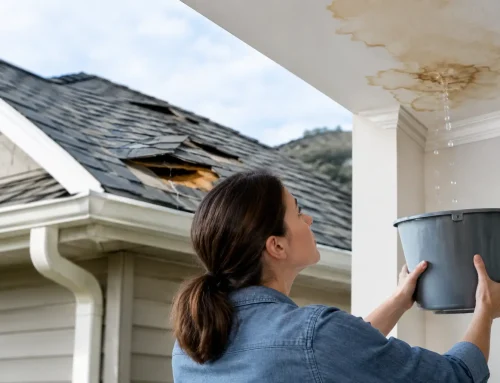
Not all water damage looks dramatic from the ground. In many homes, the first signs show up inside. You may notice brown ceiling stains, damp insulation in the attic, musty odors, peeling paint, or sunlight showing through areas that should be sealed. In more advanced cases, the roof may feel spongy underfoot during an inspection, or sections of the roofline may dip.
From the exterior, warning signs can include missing shingles, lifted flashing, exposed nail heads, clogged gutters, storm damage, or shingles that look uneven because the wood beneath them has started to warp. Commercial properties may show ponding water, membrane separation, or soft spots across low-slope areas.
The tricky part is that roof decking water damage does not always stay limited to one spot. Water travels. It can enter near a vent, chimney, valley, or flashing detail, then move along framing and soak decking several feet away from the visible stain.
Why roof decking water damage happens
The most common cause is a roof leak, but the leak itself can come from several sources. Storm damage is a major one, especially after high winds, hail, or wind-driven rain. When shingles are torn, creased, or blown off, the protective barrier is compromised and the decking becomes vulnerable.
Age also plays a role. Older roofs naturally lose waterproofing performance over time. Sealants dry out, flashing can separate, and shingles become brittle. Once the outer roofing materials begin to fail, even a modest rain can work its way down to the wood deck.
Poor ventilation can make things worse. In some homes, what looks like a roof leak is partly a moisture problem caused by trapped humidity in the attic. Condensation can collect on the underside of the deck and create rot, mold, and wood deterioration. That is why a proper inspection matters. The solution may involve more than replacing a few shingles.
Gutter issues are another common factor. If gutters are clogged or improperly pitched, water can back up at the roof edge and work under shingles. Ice damming can do the same in colder conditions. On flat or low-slope systems, drainage problems can leave water sitting on the surface long enough to find a way in.
Why fast action matters
A damaged roof deck is not just a cosmetic concern. It affects the structure that supports your entire roofing system. Wet wood loses strength. Nails can loosen. Roofing materials above the damage may no longer hold as designed. If the issue continues, repairs become more extensive and more expensive.
There is also the interior side of the problem. Water intrusion can damage insulation, drywall, paint, electrical components, and personal property. If moisture remains trapped, mold growth becomes a real concern. For homeowners already dealing with storm damage, delay often adds stress at the worst possible time.
That is why the best next step is not guessing. It is getting a professional roof inspection that identifies how far the damage goes, what caused it, and whether repair or replacement makes the most sense.
How professionals inspect roof decking water damage
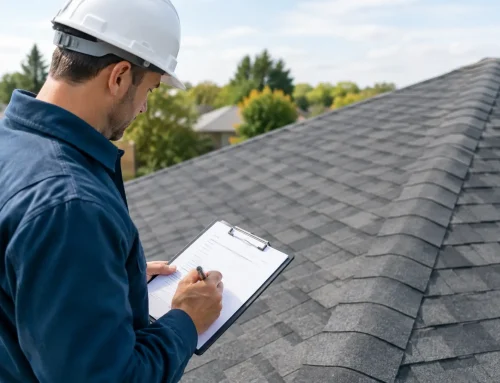
A thorough inspection starts with the obvious leak areas, but it should not stop there. A qualified contractor will assess the roofing surface, flashing, penetrations, roof edges, valleys, attic conditions, ventilation, and any interior signs of moisture. The goal is to find both the entry point and the full extent of the damage.
If a storm recently passed through, documentation is especially important. Photos, moisture evidence, shingle damage, and decking deterioration may all be relevant if an insurance claim is involved. This is where working with an experienced restoration contractor can make the process easier. A good inspection does more than confirm a leak. It gives you a clear picture of what needs to happen next.
In some cases, the decking damage is limited and localized. In others, once shingles and underlayment are removed, additional compromised wood is found. That is not unusual. Surface materials can hide deterioration until the roof is opened up.
Repair or replacement depends on the extent of the damage
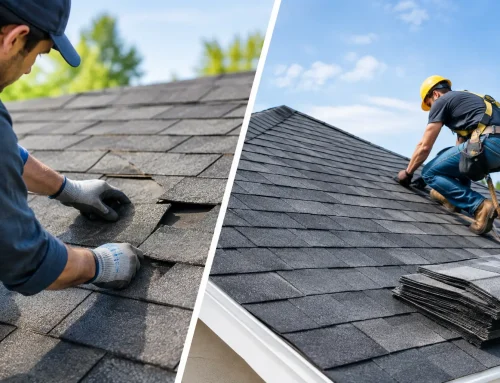
If the roof is relatively new and the water damage is isolated, replacing sections of decking and restoring the affected roofing materials may be enough. This can be a practical option when the surrounding roof system is still in solid condition.
If the roof is older, storm-damaged across multiple areas, or has widespread deck deterioration, a full replacement may be the smarter investment. Spot repairs on a failing system can become a cycle of repeated service calls. In that case, replacing damaged decking during a full reroof gives the property a stronger foundation and longer-term protection.
This is one of those situations where the honest answer is, it depends. The right recommendation should be based on inspection findings, the age of the roof, the cause of the damage, building code requirements, and whether insurance may cover part of the loss.
Insurance and storm-related roof decking water damage
After a major storm, many property owners are unsure whether hidden decking damage is part of the claim. The answer often depends on the cause of loss and what is discovered during inspection and tear-off. If wind or hail created an opening that allowed water into the system, related decking damage may become part of the restoration scope.
Documentation matters here. Clear photos, inspection notes, and contractor communication with the adjuster can help support the claim. That is especially valuable when the exterior damage is visible but the full interior impact is not yet obvious.
For homeowners, this process can feel overwhelming. Between emergency mitigation, temporary protection, paperwork, and scheduling, there is a lot happening at once. A contractor that understands both roofing and insurance restoration can help keep things moving and reduce delays.
What property owners should do right away
If you suspect roof decking water damage, the first priority is limiting further water intrusion. If the roof is actively leaking after a storm, emergency tarping may be needed until permanent repairs can be made. Inside the property, move valuables away from affected areas and document visible damage with photos.
Then schedule a professional inspection as soon as possible. Do not assume the problem is minor because the stain looks small. Water damage tends to spread beyond what you can see, and waiting rarely improves the outcome.
It also helps to avoid quick patch decisions without a full diagnosis. A surface fix may stop visible dripping temporarily but miss rotted decking, compromised flashing, or broader storm damage. The best repair plan is the one built on a complete inspection.
Choosing the right contractor matters
Not every roofer approaches water damage the same way. You want a contractor who will explain findings clearly, document damage thoroughly, and recommend only the work the property actually needs. If a storm claim may be involved, it also helps to work with a team that understands how to communicate damage scope and support the insurance process.
Crown Exteriors works with homeowners and property managers who need that kind of clarity, especially when storm damage turns into a bigger restoration issue. The goal is simple: protect the property, identify the real extent of damage, and help move the project forward without adding more stress.
Roof problems rarely arrive at a convenient time. But when roof decking water damage is caught early and addressed the right way, you can protect the structure, avoid more costly repairs, and get back to feeling confident about what is over your head.
Related Posts
If you enjoyed reading this, then please explore our other articles below: