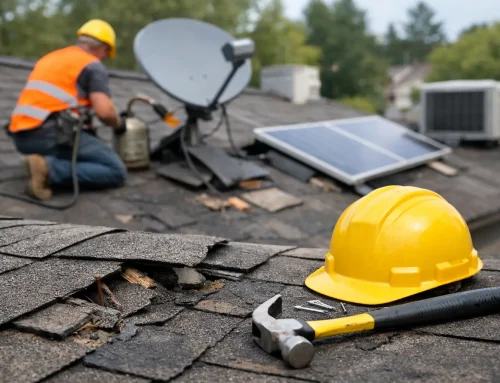

When a roof replacement is on the table, one of the first decisions homeowners face is architectural shingles vs 3 tab. That choice affects more than appearance. It can change how your roof handles wind, how long it lasts, what your insurance claim may cover after storm damage, and how your home looks from the street for years to come.
If you are trying to make a smart, stress-free decision, it helps to understand where each option fits. Some roofs need the lowest upfront cost. Others need better wind performance, stronger warranties, or a more dimensional look that adds curb appeal. The right answer depends on your home, your budget, and the condition of the current roof.
Architectural shingles vs 3 tab: the basic difference
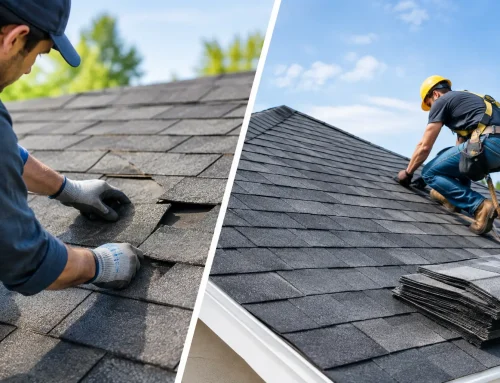
The biggest difference is in how the shingles are built. A 3-tab shingle is a single-layer asphalt shingle cut into flat, uniform tabs. It gives the roof a clean, simple appearance, but it is thinner and lighter than newer premium options.
Architectural shingles, sometimes called dimensional or laminated shingles, are made with multiple layers. That added thickness creates more depth, a more textured profile, and generally better durability. From the ground, they often resemble higher-end roofing materials without the same price tag.
For many homeowners, that construction difference is what drives the rest of the comparison. More material usually means more strength, but it also means a higher installation cost.
Cost matters, but so does long-term value
For straightforward budget decisions, 3-tab shingles usually win on upfront price. Material costs are lower, and they have historically been a go-to option for basic roof replacements, rental properties, or situations where keeping initial spending down is the top priority.
Architectural shingles cost more at the start, but they often deliver better long-term value. Because they tend to last longer and hold up better in rough weather, many property owners feel the higher initial investment pays off over time. If you plan to stay in the home for years, the price gap can look smaller when spread across the life of the roof.
This is one area where context matters. If you are replacing a roof on a home you expect to sell soon, a lower-cost option may seem attractive. But if curb appeal, resale perception, and storm resistance are important, architectural shingles may still make more sense.
Lifespan and durability are often the deciding factors
A typical 3-tab roof may last around 15 to 20 years, depending on climate, ventilation, installation quality, and storm exposure. In calm conditions and with proper attic airflow, some last longer. Still, they are generally considered the lighter-duty option.
Architectural shingles often carry longer product lifespans, commonly in the 25 to 30 year range or more, again depending on the manufacturer and system components. They are thicker and better equipped to handle repeated weather exposure.
That difference becomes more important in regions that deal with hail, heavy rain, strong winds, and sharp temperature swings. In places like Missouri, Illinois, and Florida, roofs take a beating. When storms roll through, the lighter build of 3-tab shingles can become a real disadvantage.
Wind resistance and storm performance
Storm performance is where many homeowners start leaning toward architectural shingles. Because they are heavier and laminated, they typically offer stronger wind ratings than 3-tab products. That can matter a lot after severe weather, especially in neighborhoods where lifted tabs, creased shingles, and missing sections are common after a storm.
A 3-tab roof can still perform well when installed correctly, but it is more vulnerable to wind damage. The tabs can bend, loosen, or tear away more easily over time, particularly as the roof ages.
Architectural shingles usually provide better adhesion and a more secure profile. That does not make them storm-proof, and hail can damage either type. But when homeowners want a roofing system with more resistance built in, dimensional shingles usually come out ahead.
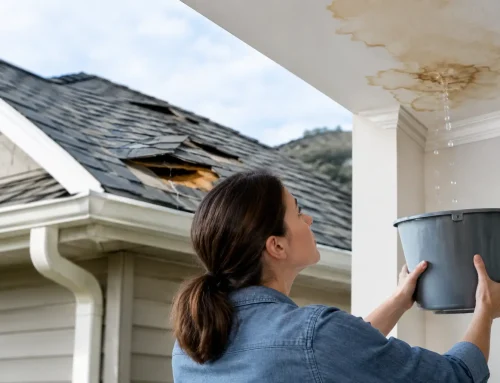
If your roof has already been through a wind or hail event, an inspection matters more than assumptions. Damage is not always obvious from the ground, and the best replacement option may depend on what your insurer approves and how much of the system needs to be restored.
Appearance and curb appeal
Not every roofing decision is about storm performance. A roof covers a large portion of your home’s exterior, so appearance has real value. This is one reason architectural shingles have become so popular.
A 3-tab roof has a flatter, more uniform look. Some homeowners prefer that simplicity, especially on smaller homes or buildings with clean, straightforward lines. But many people see it as a more basic appearance.
Architectural shingles create more shadow lines and dimension. They tend to look richer and more substantial, which can improve curb appeal without moving into luxury roofing materials. If you are already investing in replacement, the visual upgrade can be worth it.
This also matters after storm restoration. When a neighborhood has several homes getting new roofs, architectural shingles often stand out in a good way. They can make the house look newer and more finished.
Architectural shingles vs 3 tab for insurance claims
Insurance claims can complicate roofing choices. In some cases, the policy and scope of damage help determine what can be installed. If your existing roof is 3-tab and storm damage is covered, your insurer may only owe for a comparable replacement unless policy language or local matching requirements say otherwise.
That does not mean an upgrade is off the table. Homeowners sometimes choose to pay the difference to move from 3-tab to architectural shingles during a covered replacement. For many, that is a practical time to improve the roof’s appearance and durability.
This is where working with a contractor who understands storm documentation and claim communication can make the process much easier. Clear photos, accurate measurements, and direct communication with the adjuster help keep the job moving and reduce confusion. Crown Exteriors LLC works with property owners through that process so they understand what is covered, what options they have, and what the next step should be.
Installation quality matters more than many people realize
Even the best shingle on paper can underperform if the installation is rushed or incomplete. Nailing patterns, underlayment, flashing details, ridge ventilation, and cleanup all play a role in how the roof performs over time.
That is why the architectural shingles vs 3 tab question should never be reduced to product alone. A properly installed 3-tab roof can outperform a poorly installed architectural roof. The contractor, the system components, and the attention to detail matter.
For homeowners, this means asking good questions. Was the roof inspected for storm damage beyond the shingles? Are flashing and ventilation being addressed? Is the crew licensed and insured? Is the warranty tied only to the material, or also to workmanship? Those answers often matter more than a sales pitch about premium products.
When 3-tab shingles still make sense
There are still situations where 3-tab shingles are a reasonable choice. If budget is tight and the goal is a functional, code-compliant roof replacement, they can still serve a purpose. They may also fit certain outbuildings, smaller homes, or properties where keeping project costs as low as possible is necessary.
The key is to go into the decision with realistic expectations. A 3-tab roof is usually not the best choice for homeowners seeking maximum lifespan, stronger wind resistance, or a higher-end look. But it can still be the right fit when affordability is the main concern.
When architectural shingles are worth the upgrade
For many homeowners, architectural shingles are worth the added cost because they strike a strong balance between price, performance, and appearance. They are not the cheapest option, but they are often the better value option.
They make the most sense when you want a roof that can better handle storm exposure, improve curb appeal, and potentially reduce the odds of earlier replacement. If you expect to stay in the home, care about resale perception, or simply want more confidence going into storm season, the upgrade often feels justified.
How to choose the right roof for your property
The best roofing decision usually comes from an on-site inspection, not from a chart online. The roof pitch, local weather, attic ventilation, age of the current system, neighborhood standards, and insurance situation all affect what makes sense.
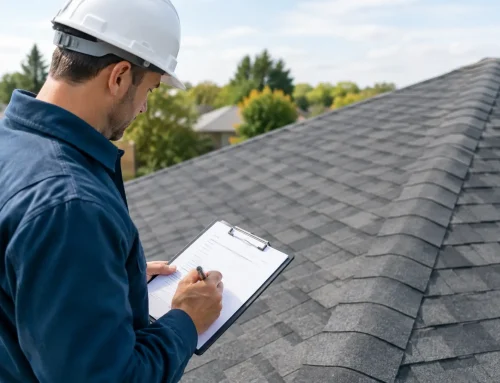
If your roof has storm damage, the first step should be finding out exactly what happened. A professional inspection can identify lifted shingles, hail impact, flashing issues, and hidden problem areas that could affect replacement recommendations. Once that picture is clear, choosing between 3-tab and architectural shingles becomes much easier.
A good contractor should explain the trade-offs without pressure. You deserve honest guidance, clear pricing, and a recommendation based on your property, not a one-size-fits-all script.
If you are weighing architectural shingles vs 3 tab after a storm or planning ahead for a roof replacement, do not guess from the driveway. Get the roof inspected, ask direct questions, and choose the option that gives you the right balance of protection, value, and peace of mind.
Related Posts
If you enjoyed reading this, then please explore our other articles below: