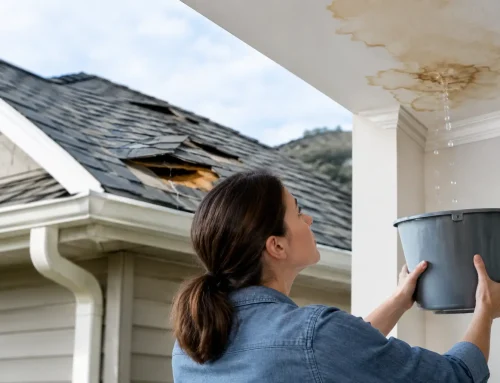

A missing shingle or a small ceiling stain can look like a simple fix. Sometimes it is. But after hail, wind, or repeated leaks, the decision between spot repair vs full reroof can affect your property’s protection, insurance claim, budget, and peace of mind for years to come.
The right answer is not always the least expensive option today. A targeted repair can be the honest, practical choice when damage is limited. A full reroof may make more sense when the roof has widespread storm damage, has reached the end of its service life, or has a history of recurring problems. A thorough inspection is what separates a responsible recommendation from a guess.
Spot Repair vs Full Reroof: Start With the Damage
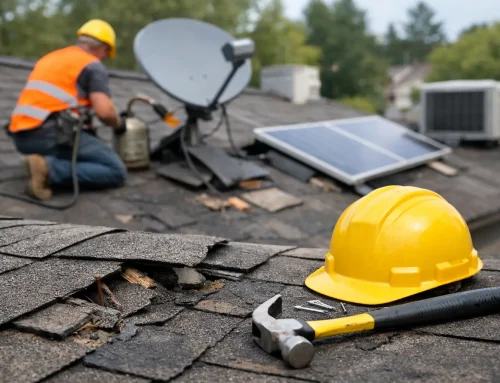
A spot repair addresses a specific, contained issue. That may include replacing a small area of wind-lifted shingles, repairing damaged flashing around a chimney, sealing a pipe boot, or correcting a leak caused by a single failed component. When the surrounding roof is in good condition, a repair can restore protection without replacing materials that still have useful life left.
A full reroof, also called a roof replacement, involves removing the existing roofing system and installing a new one across the roof. It is generally recommended when damage is spread across multiple slopes, when shingles are worn throughout, or when repairs would only postpone a larger failure.
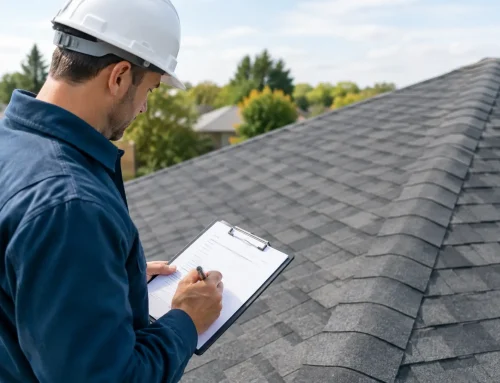
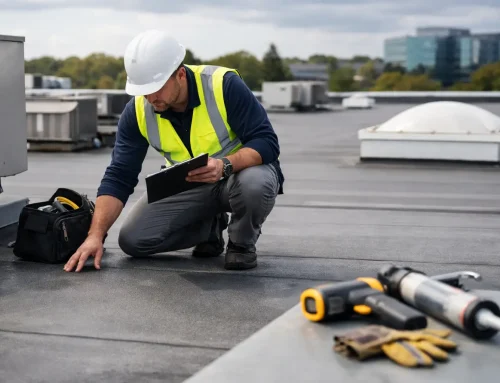
The visible damage is only part of the picture. Hail bruising, creased shingles, lifted tabs, loosened granules, and damaged seals are not always obvious from the ground. Water can also travel before it reaches a ceiling, meaning the leak inside may not sit directly below the exterior problem. That is why a professional inspection should include the roof surface, penetrations, flashing, gutters, attic conditions when accessible, and documentation of storm-related damage.
When a Spot Repair Makes Good Sense
A repair is often the right choice when the roof is relatively young, the issue is isolated, and the remaining materials are still performing well. For example, a branch may damage a small section of shingles while leaving the rest of the roof intact. A plumbing vent boot can crack long before the shingles wear out. Wind can also affect one exposed edge or ridge area without damaging every slope.
In these situations, a properly completed repair can stop water intrusion and preserve the rest of the roof’s remaining life. It is usually less disruptive than replacement and may be completed more quickly, which matters when you need to secure a home or commercial property after a storm.
A repair may also be appropriate when the damage falls below your insurance deductible or is clearly caused by normal wear rather than a covered event. Paying for a well-documented repair can be more sensible than filing a claim for a minor issue.
Still, matching new shingles to an older roof is not always perfect. Sun exposure, weathering, and discontinued product lines can create a color difference even when the replacement shingle is technically the same shade. A qualified contractor should explain that possibility before work begins, not after the repair is complete.
Repairs Work Best When the Roof Has Life Left
The key question is not simply, “Can this be repaired?” Most roof issues can be patched in some way. The better question is, “Will this repair provide a reliable result without creating another expense in the near future?”
If a roof is only a few years old and has one clear problem, the answer may be yes. If shingles are brittle, curling, losing granules, or failing in several areas, a small repair can become a temporary bandage on a system that is already worn out.
When Full Reroofing Is the Better Investment
A full reroof is usually the stronger long-term option when damage is widespread or the roof is near the end of its expected lifespan. This is common after significant hail or wind events, especially when multiple roof slopes show impacts, creasing, broken seals, or missing shingles.
Replacement can also be appropriate after repeated repairs. One leak around flashing may be a localized issue. Several leaks over a few years, repairs in different areas, or ongoing shingle failures point to a larger problem. Continuing to patch the roof may cost more over time while leaving your home or building vulnerable to the next storm.
A new roof also allows the entire system to be addressed together. That includes underlayment, flashing, ventilation details, drip edge, pipe boots, and other components that help manage water. The shingles matter, but a roof performs best when every layer is installed correctly.
For property owners planning to sell, a full reroof can also remove a major concern for buyers and inspectors. For commercial property managers, replacement may offer a clearer maintenance path and fewer unexpected service calls than repeated patching across an aging system.
Storm Damage Can Change the Decision
Roof age matters, but storm damage changes the conversation. A roof that was functioning well before a hailstorm may still qualify for replacement if the damage is widespread and affects its ability to shed water over time.
Insurance policies vary, and coverage depends on the cause of loss, policy language, deductible, roof age, and documentation. An insurer may approve repairs for limited damage or approve replacement when a larger portion of the roofing system is affected. The inspection report should clearly identify the damage, its likely cause, and the recommended scope of work.
Do not assume that a roof is fine just because it is not leaking yet. Hail damage can reduce the life of shingles without creating an immediate interior leak. Likewise, do not assume replacement is the only answer after every storm. Honest guidance means recommending the scope that the roof actually needs.
How Cost Should Factor Into the Decision
A spot repair has a lower upfront cost in most cases. That makes it appealing, especially when the damage is small and the roof is otherwise sound. But the lowest initial price is not always the lowest cost of ownership.
Consider what may happen next. If the roof is nearing the end of its life, spending money on several repairs can delay a replacement without avoiding it. A homeowner may pay for emergency leak repairs, interior water damage, and a replacement later. In that case, replacing the roof sooner may protect the property and simplify planning.
On the other hand, replacing a roof that has many years of service left is not automatically a wise use of funds. A contractor should be able to explain why a repair will or will not hold up, show you the condition of the surrounding materials, and provide a clear estimate for each reasonable option.
Insurance proceeds should also be handled carefully. Your deductible is typically your responsibility, and it should not be waived or hidden. Some policies pay actual cash value first and release recoverable depreciation after work is completed. Knowing the approved scope, payment schedule, and documentation requirements can prevent surprises during the project.
Questions to Ask Before You Decide
Before authorizing a repair or replacement, ask for a direct explanation of the roof’s overall condition. Find out whether damage is isolated or present on multiple slopes, whether there are signs of prior repairs or active leaks, and how much useful life the current roof likely has left.
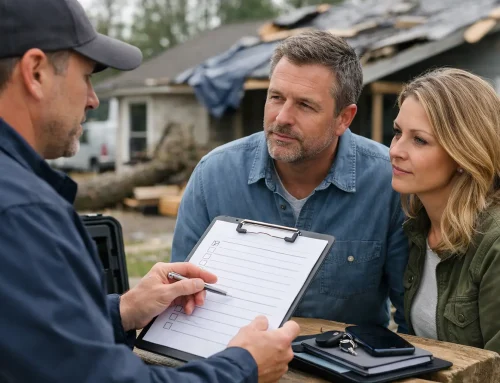
Ask whether the contractor can document storm-related findings with photos and measurements. If you are filing an insurance claim, this documentation can help you have a clearer conversation with the adjuster. It is also reasonable to ask what materials will be used, how flashing and ventilation will be handled, what workmanship warranty applies, and how the property will be protected and cleaned during the job.
For a repair, ask whether a shingle color match is available and whether the repaired area may weather differently. For replacement, ask whether any code-related upgrades or damaged decking could affect the final scope. Clear answers up front build trust and help you make a decision based on facts rather than pressure.
Get an Inspection Before the Next Storm Finds the Problem
The best time to evaluate a questionable roof is before a small issue turns into damaged insulation, stained ceilings, or a disrupted business operation. After severe weather, prompt inspection and temporary protection can limit additional damage while the next steps are being determined.
Crown Exteriors LLC provides thorough roof inspections, storm-damage documentation, repair and replacement guidance, and support throughout the insurance-claim process. Whether the answer is a focused repair or a full reroof, you deserve a recommendation that protects your property and respects your budget.
A roof decision does not have to feel overwhelming. Start with a clear inspection, review the evidence, and choose the solution that gives your home or building the dependable protection it needs.
Related Posts
If you enjoyed reading this, then please explore our other articles below: