
A new roof is a major investment, and the warranty is part of the protection you expect to receive. But many property owners do not learn what voids a roofing warranty until a leak appears, a storm hits, or a manufacturer denies a claim. The good news is that most warranty problems are preventable when you understand the terms, keep records, and address damage promptly.
Roof warranties are not all the same. A manufacturer warranty generally covers defects in the roofing materials, while a contractor workmanship warranty covers installation-related issues. Some enhanced manufacturer warranties may include workmanship coverage when the roof is installed by a qualified contractor. Knowing which warranty applies is the first step toward protecting it.
What Voids a Roofing Warranty Most Often
A warranty does not usually disappear because of one small cosmetic issue. It is more often affected when a roof is altered, neglected, improperly repaired, or installed outside the manufacturer’s requirements. The specific language in your warranty controls, but these are the issues that commonly lead to denied coverage.
Improper Installation
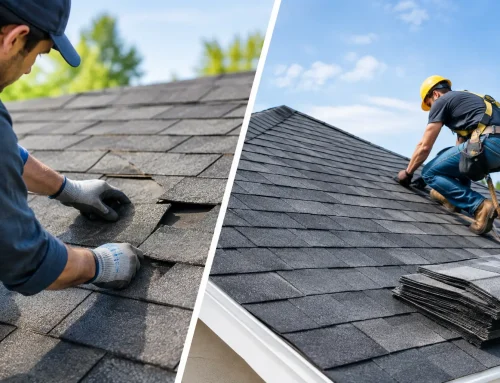
Manufacturer warranties require roofing materials to be installed according to the product’s published instructions and local building codes. Incorrect nail placement, inadequate attic ventilation, missing underlayment, poor flashing work, or improperly installed starter shingles can all create conditions that compromise the roof system.
This is why the lowest bid is not always the best value. A roof can look finished from the ground while hidden installation errors shorten its life and create a warranty concern. Choose a licensed, insured contractor that can explain the materials being used, the installation process, and the warranty registration requirements.
Unapproved Repairs or Modifications
Adding a satellite dish, solar equipment, skylight, vent, or new HVAC line may require roof penetrations. If those penetrations are made incorrectly, or if an unqualified party damages shingles, flashing, or underlayment during the work, resulting leaks may not be covered.
The same applies to repair work performed with incompatible materials. For example, using the wrong sealant, fastening through shingles in the wrong location, or mixing roofing components that are not approved for the system can affect coverage. Before anyone cuts into or fastens something to your roof, confirm how the work may affect the existing warranty.
Poor Ventilation and Moisture Problems
A roof is not just the shingles you see from outside. It is a complete system that includes insulation, attic airflow, decking, underlayment, flashing, and ventilation. When heat and moisture become trapped in an attic, shingles may age prematurely, decking can deteriorate, and condensation can contribute to mold or rot.
Some warranties exclude damage caused by inadequate ventilation or moisture from inside the building. This does not necessarily mean every ventilation issue voids the entire warranty. It does mean that damage connected to improper airflow may not be covered. A professional inspection can identify whether intake and exhaust ventilation are balanced before the problem becomes expensive.
Neglecting Maintenance and Known Damage
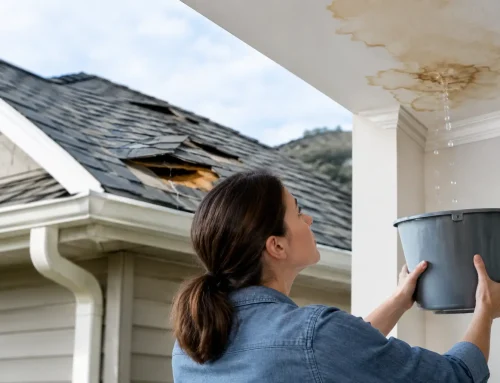
Roofing warranties are not maintenance plans. They generally do not cover normal wear, gradual deterioration, clogged gutters, standing debris, or damage that worsens because it was left unrepaired. If a tree limb scrapes the roof, wind lifts shingles, or a small leak develops around a pipe boot, waiting can allow a limited repair to become deck damage, interior staining, or a larger roof failure.
After severe weather, look for obvious signs such as missing shingles, loose metal, fallen branches, granules in downspouts, or water spots on ceilings. You do not need to climb onto the roof to investigate. In fact, walking on damaged or steep roofing can be dangerous and may cause additional damage. Schedule an inspection instead.
Storm Damage Does Not Automatically Void Coverage
Hail, wind, tornadoes, fallen trees, and other weather events are usually not manufacturer-defect claims. They may be covered by your property insurance policy rather than the material warranty. That distinction matters, especially after a storm when homeowners may receive conflicting advice.
Storm damage does not automatically void a roofing warranty. However, failing to protect the roof from further damage can complicate both warranty and insurance matters. If wind has removed shingles or a branch has punctured the roof, emergency tarping and clear documentation can help limit additional water intrusion while the next steps are evaluated.
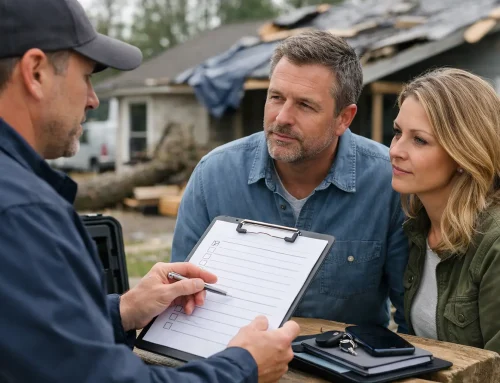
For insurance-related damage, keep photographs, dated notes, repair invoices, and inspection reports. A thorough report can help establish the condition of the roof, identify storm-related damage, and separate it from age-related wear or pre-existing issues.
Other Actions That Can Affect Your Roofing Warranty
The details vary by manufacturer and roof type, but property owners should be especially cautious about these common issues:
- Pressure washing, aggressive scraping, or using harsh chemicals that remove protective granules or damage shingles.
- Installing a second roof layer when the manufacturer, local code, or existing roof condition does not allow it.
- Applying coatings, paints, or sealants that have not been approved for the roofing material.
- Failing to register the warranty when registration is required for the coverage level you purchased.
- Transferring ownership without following the warranty’s transfer process and deadline.
Not every warranty requires registration or permits transfer, so read the actual documents instead of relying on a verbal promise. Save the signed contract, final invoice, material information, warranty certificate, permits, inspection records, and photographs from the completed project in one place.
Manufacturer Warranty vs. Workmanship Warranty
When a roof leaks, the source of the problem determines which protection may apply. A cracked or defective shingle may fall under the manufacturer’s material warranty. A leak at a poorly installed flashing detail may fall under the contractor’s workmanship warranty. Hail damage may belong in an insurance claim. In some cases, more than one issue may be present.
This is where a professional assessment matters. Replacing shingles without diagnosing the cause can mask the issue and leave the property owner responsible for repeat repairs. A qualified roofing contractor should inspect the shingles, flashing, penetrations, ventilation, decking condition, and signs of storm impact before recommending a solution.
Be careful with broad statements such as, “Your whole warranty is void.” Many warranty exclusions apply only to the affected materials or damage caused by a particular condition. Ask for the relevant warranty language and a clear explanation of why a claim is covered or excluded. Honest answers protect you from paying for unnecessary work and help you make an informed decision.
How to Protect Your Coverage After Installation
The best time to preserve a roofing warranty is before there is a problem. Start by hiring a reputable contractor and confirming that the proposed roofing system meets manufacturer requirements. Ask what warranty is included, who stands behind the workmanship, and whether there are registration steps you need to complete.
Once the roof is installed, treat any roof penetration or repair as a system issue, not a quick handyman task. Use experienced professionals, ask them to document their work, and retain the invoices. Keep gutters clear, trim back limbs that rub the roof, and have the roof inspected after major storms or when you notice signs of a leak.
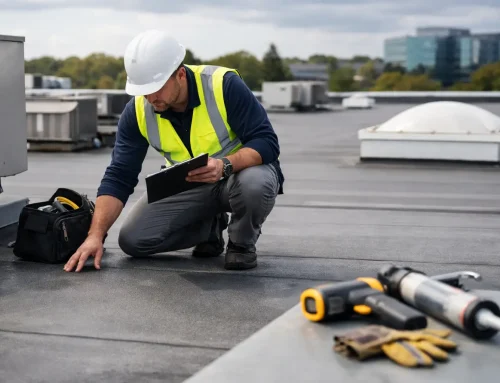
For commercial properties, regular maintenance is even more critical because drains, rooftop equipment, foot traffic, and multiple penetrations can affect performance. A documented maintenance schedule can help catch small issues early and demonstrate responsible property care if a warranty question arises later.
When to Request a Roof Inspection
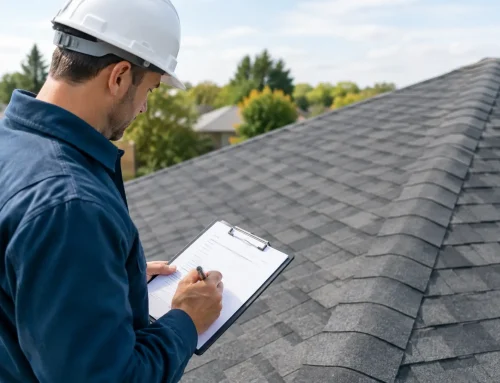
Call for an inspection if you have experienced hail or high winds, see shingle damage from the ground, notice interior water stains, or plan to add equipment that will penetrate the roof. An inspection is also wise if you recently bought a property and do not have complete roof records.
Crown Exteriors LLC helps homeowners and property managers understand roof conditions, document storm damage, and determine practical next steps. When insurance may be involved, clear documentation and timely action can reduce delays and prevent minor damage from becoming a larger restoration project.
Your warranty should provide confidence, not confusion. Keep your records, avoid unapproved roof alterations, and address damage before it spreads. A prompt professional inspection after a storm or at the first sign of trouble is one of the simplest ways to protect both your roof and the coverage behind it.
Related Posts
If you enjoyed reading this, then please explore our other articles below: