
A hailstorm can leave a roof with bruised shingles, bent gutters, damaged siding, and leaks that do not show up until the next hard rain. That is when the choice between an insurance restoration contractor vs roofer matters most. Both may replace a roof, but their role in a storm-damage project can be very different.
A qualified roofer can be the right call for a straightforward repair, routine replacement, or aging roof. An insurance restoration contractor is often the better fit when a covered storm event affects multiple parts of the property and an insurance claim is involved. The goal is not to make the job more complicated. It is to make sure the damage is identified, documented, and restored correctly from the first inspection through final cleanup.
What a Roofer Typically Handles
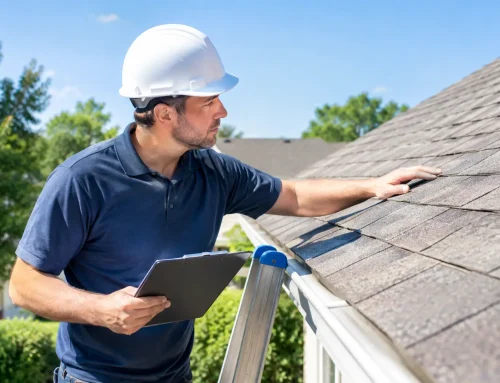
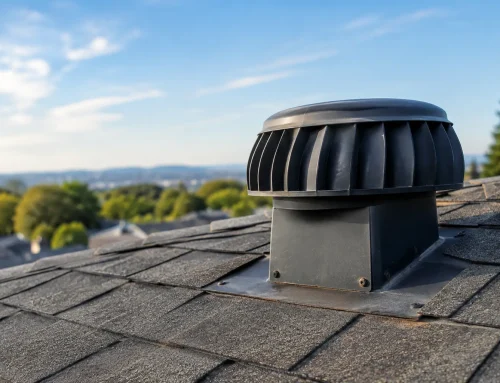
A roofing contractor focuses on the roof system itself. That can include repairs for missing shingles, flashing problems, ventilation concerns, active leaks, and full roof replacement. Many reputable roofers also offer inspections and can explain whether a roof has repairable wear or needs to be replaced.
For a planned project, a roofer may be exactly what you need. If your roof is nearing the end of its service life, you want to update the shingle color, or a small area was damaged by a fallen branch, the scope may be limited to roofing work. A skilled, licensed, and insured roofer can recommend materials, provide an estimate, complete the installation, and stand behind the workmanship.
The limitation is scope. Not every roofing company manages insurance claims, documents storm-related damage in detail, meets with adjusters, or coordinates repairs to gutters, siding, fascia, and other exterior components. Some do. Many do not. Homeowners should ask rather than assume.
Insurance Restoration Contractor vs Roofer: The Key Difference
An insurance restoration contractor is built to manage the damage caused by a covered event, not simply install a new roof. That means looking at the entire exterior after hail, wind, heavy rain, or another storm. The roof may be the most visible concern, but it is rarely the only one.
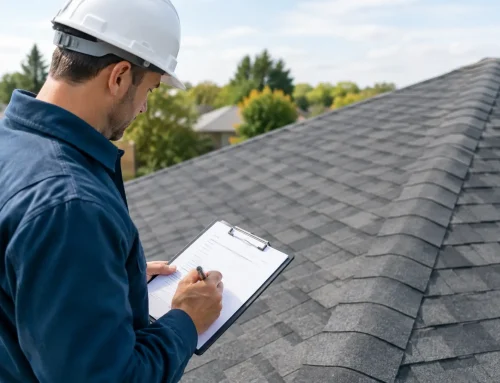
Restoration work starts with a thorough inspection. The contractor looks for storm-created conditions such as hail strikes, wind-lifted or missing shingles, damaged flashing, torn screens, dented gutters and downspouts, compromised siding, and water-entry points. They document what they find with photos, measurements, and clear descriptions that support the property owner’s claim.
A restoration contractor does not decide what an insurer owes. Insurance carriers make coverage decisions according to the policy and their inspection. But an experienced contractor can provide accurate evidence, explain the repair scope in practical terms, and help the adjuster see damage that might otherwise be missed. That is especially valuable when damage is difficult to spot from the ground or spread across several parts of the property.
The difference is support. A roofer may give you an estimate and schedule the work. A restoration contractor helps organize the restoration process around the insurance claim, then completes the approved repairs with the property’s protection and long-term performance in mind.
When a Roofer May Be the Better Choice
Not every roof issue is an insurance claim, and not every roof needs full restoration. A roofer may be the right professional when the problem is isolated, maintenance-related, or clearly outside a recent storm event.
For example, a pipe boot may have cracked from age, flashing may need resealing, or a few shingles may have been damaged during a small home project. These situations often call for a direct repair. Filing an insurance claim for minor work may not make financial sense once the deductible is considered.
A roof replacement due to normal aging is also generally a roofing project rather than an insurance restoration project. Standard homeowners insurance typically does not cover wear, deterioration, or deferred maintenance. An honest contractor should tell you when a claim is unlikely to apply instead of pushing storm damage as the answer to every roof concern.
Commercial property managers may also choose a roofer for planned maintenance, coating work, recurring leak repairs, or capital replacement projects. The key question is whether the work is a maintenance need or the result of a sudden, covered loss.
When You Need an Insurance Restoration Contractor
After a significant storm, time and documentation matter. You may need an insurance restoration contractor when there is suspected hail or wind damage, a roof leak after severe weather, shingles scattered in the yard, or visible damage to gutters, siding, and other exterior features.
Emergency conditions are another reason to call quickly. If a tree limb punctures the roof or wind exposes the decking, emergency tarping can limit additional water damage while the claim and repair plan move forward. Waiting can turn a manageable roofing loss into interior damage, mold concerns, or a larger restoration project.
A restoration contractor is particularly helpful when the initial insurance estimate appears incomplete. This does not mean every estimate is wrong, and it does not guarantee a supplement or additional payment. It means the contractor can compare the documented damage and necessary repair steps against the approved scope, then communicate legitimate differences to the carrier when appropriate.
At Crown Exteriors LLC, the restoration process is designed to give property owners one knowledgeable point of contact for inspection, storm-damage documentation, adjuster coordination, and quality exterior repairs. That support can reduce the uncertainty that often follows a major storm.
Questions to Ask Before You Hire
The contractor’s title matters less than their experience, documentation, and integrity. Before signing an agreement, ask whether the company is licensed and insured for the work in your area, whether it has experience with your roof type, and whether it will provide a written scope of work.
If insurance is involved, ask how the company documents damage and whether someone will be available to meet the adjuster if needed. Find out who handles permits, material ordering, site protection, cleanup, and final inspection. You should also understand the workmanship warranty and any manufacturer-backed warranty available for the materials selected.
Be careful with anyone who promises they can “get you a free roof” or guarantees what your insurance company will pay. No contractor can honestly make that promise. A dependable contractor can inspect the property, explain what they see, help document legitimate damage, and give you straightforward recommendations whether a claim is approved or not.
Local reputation also matters. Storm-chasing crews may appear immediately after severe weather and disappear before warranty concerns arise. Check that the company has a real business presence, responsive communication, and a record of serving nearby homeowners or commercial property owners.
Your Role in the Insurance Claim Process
Even with a restoration contractor’s help, the policyholder remains part of the process. Start by reviewing your policy or speaking with your insurance agent about deductibles, coverage limits, and any deadline for reporting a loss. Take your own photos of visible damage if it is safe to do so, especially before temporary repairs begin.
Avoid climbing onto a damaged roof. Loose shingles, wet surfaces, and hidden structural damage can create a serious fall risk. A professional inspection is safer and more likely to identify details that are easy to overlook.
Once the claim is filed, keep copies of claim information, inspection reports, estimates, emails, and approved repair documents. Ask questions when something is unclear. You should know what work is approved, what upgrades are optional, how depreciation may be handled under your policy, and what payment schedule to expect.
Choose the Level of Help Your Property Needs
The best choice is not about choosing a roofer over a restoration contractor by default. It is about matching the contractor to the problem. For a simple repair or planned replacement, an experienced roofer may provide exactly the service you need. For storm-related damage and an active claim, a restoration contractor can bring the broader inspection, documentation, coordination, and exterior expertise the situation calls for.
If your property was recently hit by hail, wind, or heavy rain, arrange a professional inspection before small signs become costly surprises. Clear answers, honest recommendations, and timely protection are the right place to start.
Related Posts
If you enjoyed reading this, then please explore our other articles below: