
A missing shingle after a storm may be a straightforward repair. A roof that looks fine from the driveway but has leaks in several rooms, widespread granule loss, and soft decking may be telling a different story. Deciding on roof repair or replacement is not about choosing the biggest project. It is about identifying the true condition of your roof and making the decision that protects your property, budget, and peace of mind.
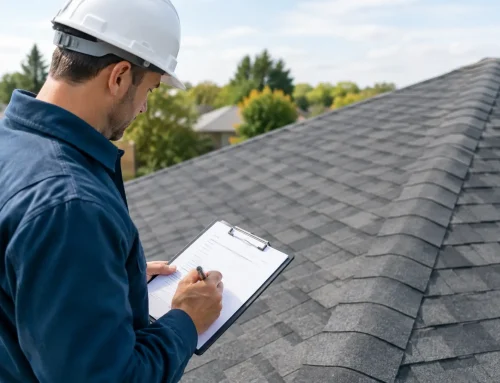
For homeowners and property managers, the most reliable first step is a professional inspection. Storm damage, aging materials, and hidden water intrusion can look similar from the ground, but the right solution can be very different.
When Roof Repair Makes Sense
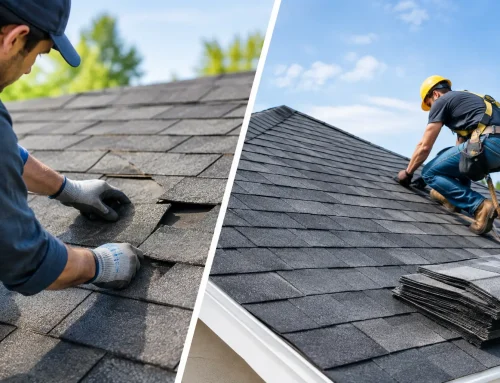
Roof repair is often the practical choice when damage is limited, localized, and the rest of the roofing system remains in good condition. A repair can restore protection without requiring you to replace materials that still have useful life left.
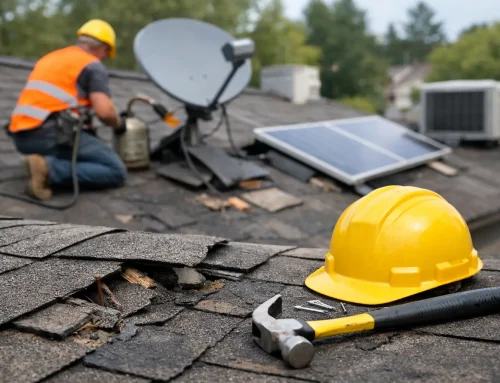
Common repair situations include a small area of wind-lifted shingles, a few missing shingles, damaged flashing around a chimney or vent, a minor puncture from debris, or a leak concentrated near one roof feature. In these cases, a qualified contractor can address the affected area, inspect the surrounding materials, and make sure the repair ties into the existing roof correctly.
The age of the roof matters. If your roof is relatively new and has a single damaged section after a storm, repairing it is often reasonable. The same is true when an issue is caused by a failed pipe boot, exposed nail, or loose flashing rather than deterioration across the entire roof.
A repair should not be treated as a quick patch that hides a larger problem. A proper repair includes checking the roof deck, underlayment, ventilation, flashing, and nearby shingles. Water can travel beneath roofing materials before it becomes visible inside, so the source of a leak is not always directly above the stain on the ceiling.
Signs a Roof Replacement May Be the Better Investment
A full replacement becomes more likely when problems are widespread, the roof is near the end of its expected service life, or repairs would only postpone repeated failures. Replacing a roof is a larger investment, but it can prevent ongoing leaks, interior damage, and the cost of calling for multiple repairs over a short period.
Look for patterns rather than one isolated issue. Shingles that are curling, cracking, bald from granule loss, or lifting across multiple slopes can indicate aging or storm-related damage that affects the roof’s overall performance. Dark streaks alone do not always mean replacement is necessary, but widespread deterioration deserves a closer evaluation.
You may also need replacement if the roof deck feels soft, leaks have occurred in several areas, or storm damage is spread across the roof. Hail can bruise or fracture shingles without creating an immediate leak. Wind can break seals and crease shingles, making them more vulnerable during the next storm. These conditions may be difficult to identify without a close inspection.
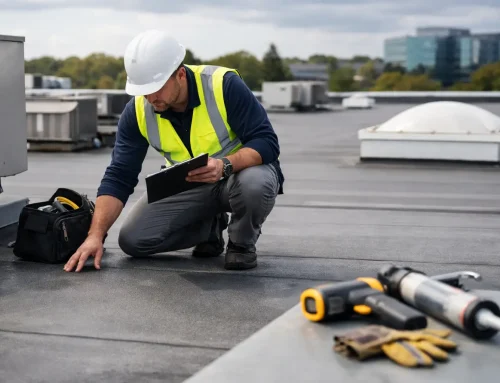
For commercial properties, the decision can be even more nuanced. Flat and low-slope roofing systems may show ponding water, membrane splitting, seam failure, or damaged penetrations. A targeted repair may work when the system is otherwise sound. When moisture has spread below the surface or repairs are becoming frequent, restoration or replacement may be the more responsible long-term plan.
Roof Repair or Replacement After Storm Damage
Storm damage adds an important factor to the decision: insurance coverage. If wind, hail, falling debris, or another covered event caused the damage, your policy may help pay for repairs or replacement, subject to your deductible and policy terms.
That does not mean every storm automatically results in a full roof replacement. Insurance carriers evaluate the cause, scope, and extent of damage. They may approve a repair when damage is limited, or replacement when the roof has sustained qualifying damage across multiple areas. Matching requirements, local building codes, and the condition of surrounding materials can also affect the scope of work.
Documentation matters. Clear photos, measurements, inspection notes, and a detailed description of the damage help establish what happened and what work is needed. Waiting too long can complicate matters, especially if a small opening allows additional water intrusion or if evidence is altered by later weather.
Crown Exteriors LLC helps property owners document storm-related damage and communicate clearly through the claims process. The goal is not to push a replacement when a repair will do. It is to make sure the damage is fully evaluated, properly documented, and addressed with the solution your property actually needs.
How Age, Materials, and Prior Repairs Affect the Decision
No roof comes with an exact expiration date. Sun exposure, attic ventilation, installation quality, local weather, and maintenance all influence how long roofing materials perform. Two homes built in the same year can have roofs in very different condition.
Asphalt shingle roofs commonly show more wear as they age, but age alone does not determine whether replacement is necessary. A newer roof can need replacement after severe hail or wind damage. An older roof may still be repairable if the problem is isolated and replacement materials are available.
Material matching is a real consideration. Even when an existing shingle color is still manufactured, a new repair may not blend perfectly with weathered shingles. Sun exposure changes color over time. If a small visible variation is acceptable and the roof has plenty of useful life remaining, repair can still be the right choice. If multiple repairs are needed or the roof is already nearing replacement age, the appearance and cost of continued repairs may support a full replacement.
Previous repairs also tell a story. One well-executed repair does not mean a roof is failing. Several repairs for recurring leaks, deteriorated shingles, or storm damage in different locations may indicate that the system is no longer providing dependable protection.
Avoid Making the Decision From the Ground
Property owners often make reasonable assumptions based on what they can see: a few shingles in the yard, a dark mark on the ceiling, or a neighbor’s roof being replaced. But roofs are not one-size-fits-all, and visible symptoms rarely provide the full picture.
Avoid climbing onto a roof yourself, particularly after a storm. Wet surfaces, loose shingles, hidden soft spots, and damaged decking create serious fall risks. A professional inspection can identify damage safely and give you a clear explanation of what was found.
During an inspection, ask direct questions. Where is the damage? Is it isolated or widespread? Is active leaking present? What is the condition of the flashing, decking, and ventilation? Can the roof be repaired in a way that is expected to last? If replacement is recommended, what evidence supports that recommendation?
A trustworthy contractor should be comfortable answering those questions in plain language. You should understand the scope of work, materials being used, warranty coverage, estimated timing, and how your property will be protected during construction.
What to Do While You Decide
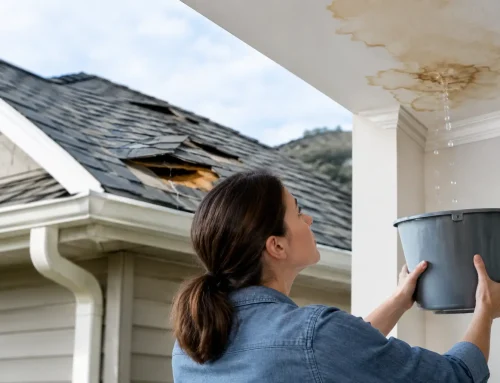
If you see an active leak, act quickly to limit interior damage. Move furniture and valuables away from the affected area, contain dripping water if it is safe to do so, and document visible damage with photos. Do not puncture a bulging ceiling unless a qualified professional advises you to do so, since water and damaged materials can create safety concerns.
For storm-related openings, emergency tarping may be needed to reduce further exposure while the roof is evaluated and the claim is reviewed. Keep copies of estimates, inspection findings, photos, and conversations with your insurer. Organized documentation helps you make informed decisions and can make the restoration process less stressful.
If there is no active leak, schedule an inspection before the next major weather event. Small damage is often easier and less expensive to address before wind-driven rain finds its way below the shingles.
Choose the Solution That Protects the Whole Property
The best decision is rarely based on a single factor like price, age, or one missing shingle. It comes from looking at the complete condition of the roof, the source and spread of damage, your insurance situation, and the expected value of the work over time.
A well-planned repair can preserve a sound roof. A properly managed replacement can give your property a fresh layer of protection and eliminate uncertainty after significant damage. Start with a thorough inspection, ask for an honest explanation, and choose a contractor who will help you protect what matters most.
Related Posts
If you enjoyed reading this, then please explore our other articles below: