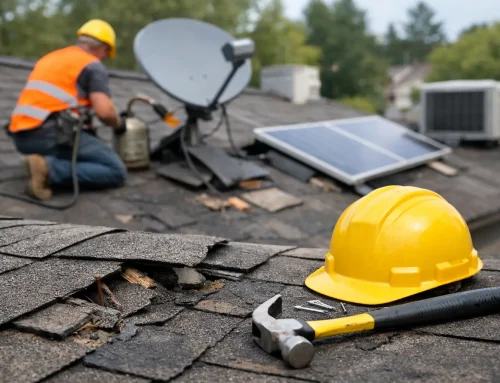

A roof leak rarely starts at a convenient time. It shows up during a midnight storm, over a child’s bedroom, above a retail counter, or right before guests arrive. In those first few minutes, having a roof leak emergency checklist matters because quick, calm action can reduce interior damage, protect your safety, and make the repair and insurance process much smoother.
The hardest part for most property owners is not knowing what to do first. Should you grab a bucket, climb into the attic, call your insurance company, or get someone out to tarp the roof? The answer depends on the severity of the leak, but the order of operations matters. The goal is simple: protect people first, limit damage second, and document everything before temporary repairs or cleanup erase important evidence.
Roof leak emergency checklist: what to do first
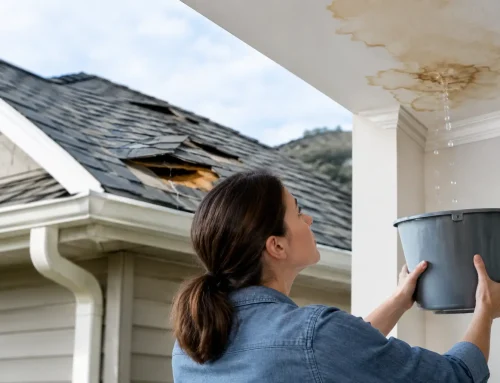
Start inside the building. If water is dripping from the ceiling, place buckets, storage bins, or any waterproof container under the leak right away. If the ceiling is bulging, that usually means water is trapped above the drywall. In that situation, do not stand directly underneath it. A saturated ceiling can sag or collapse with very little warning.
Next, move anything valuable out of the affected area. Furniture, electronics, rugs, inventory, paperwork, and anything else that can absorb water should be relocated if it is safe to do so. If larger items cannot be moved, cover them with plastic sheeting or trash bags to slow down water intrusion.
Your next decision is about electricity. If water is approaching light fixtures, outlets, appliances, or breaker panels, treat it as a serious hazard. Turn off power to the affected area only if you can do it safely and without standing in water. If there is any doubt, wait for a qualified professional. Water and electricity do not give second chances.
Then check for the source from inside, not from the roof. If you have attic access and conditions are safe, look for wet insulation, dark stains, dripping nails, or visible daylight. Keep in mind that water often travels along rafters, decking, or framing before it drips into living space. The spot on your ceiling may not be directly below the roof damage.
When a leak is an emergency
Not every roof leak requires the same response, but some situations should be treated as urgent. If water is pouring in, the ceiling is sagging, part of the roof appears lifted or missing, or the leak started during hail or wind damage, you should act quickly to arrange emergency service. The same is true if the leak affects a commercial building, multi-unit property, or any area where operations, tenants, or customers could be put at risk.
A slower drip may seem manageable, but even a small leak can soak insulation, damage decking, stain ceilings, and create conditions for mold if it is left too long. A roof rarely fixes itself. Waiting can turn a repair into a larger restoration project.
That said, urgent does not mean reckless. One of the biggest mistakes property owners make is climbing onto a wet roof during a storm. High winds, slick shingles, hidden soft spots, and poor visibility make that dangerous even for experienced people. Emergency action should focus on safe interior control and professional exterior protection.
What not to do during a roof leak
Good intentions can create bigger problems if you move too fast. Do not climb onto the roof during rain, lightning, strong winds, or darkness. Do not assume a tarp can be installed safely without proper equipment and training. Do not spread caulk or roof cement over a leak from inside the attic and expect it to hold. At best, that is temporary. At worst, it hides the real damage and delays proper repair.
You also do not want to throw away damaged materials too quickly. Wet insulation, stained drywall, damaged shingles, and even fallen tree limbs may all help document the cause and extent of the loss. Clean up standing water as soon as possible, but preserve enough evidence to support inspection and claim documentation.
How to document the damage for repairs and insurance
Photos and notes matter more than most people realize. Before heavy cleanup begins, take clear pictures and short videos of the leak, ceiling stains, damaged contents, standing water, and any visible exterior issues from the ground. If a storm caused the leak, note the date and time, the weather conditions, and when you first noticed the damage.
Write down what was affected. Include rooms, flooring, insulation, furniture, equipment, and any business interruption if this is a commercial property. If you move items out of the area, photograph them first. If emergency tarping or water mitigation is performed, keep records of who did the work and when.
This step is especially helpful if an insurance claim is involved. Adjusters and contractors need a clear picture of what happened, and early documentation can reduce disputes later. A reputable roofing contractor can also help identify whether the leak appears related to storm damage, aging materials, flashing failure, or another issue.
Temporary protection while you wait for help
Once the immediate safety concerns are handled, the next priority is limiting further damage. Inside the property, continue catching water and drying affected surfaces. Towels, mops, wet vacs, and fans can help, but avoid overcomplicating it. The main objective is to keep water from spreading into more rooms or materials.
Outside protection is different. If the roof has visible storm damage, missing shingles, punctures, or exposed underlayment, professional emergency tarping is often the safest next step. A properly secured tarp can help prevent additional water intrusion until full repairs are made. It is not a permanent solution, but it can buy valuable time.
There is a trade-off here. Some leaks are caused by obvious roof damage, while others come from flashing, vent boots, skylights, wall transitions, or even clogged gutters forcing water backward under the roof system. That is why a quick patch is not the same as a proper diagnosis. The temporary fix should stop the immediate intrusion, but the inspection needs to find the true entry point.
Who to call after you stabilize the situation
After you have controlled the immediate interior damage, contact a qualified roofing contractor that handles emergency response and inspections. If the leak follows a storm, choose a company that can also document the damage thoroughly and explain whether an insurance claim makes sense. This is where experience matters. The right contractor is not just looking for a quick patch. They are evaluating the full roof system, identifying related exterior damage, and helping you understand what comes next.
If you suspect storm-related damage, you may also need to notify your insurance carrier. Some owners call insurance first. Others prefer to have a roofing professional inspect the property and document the damage before filing. It depends on the situation, but having clear photos, notes, and a contractor’s findings usually helps you make a more informed decision.
For many homeowners and property managers, the least stressful path is working with a contractor who understands both repair work and claim support. Crown Exteriors LLC is one example of a company that helps property owners through inspection, documentation, emergency protection, and communication throughout the restoration process.
What a professional inspection should cover
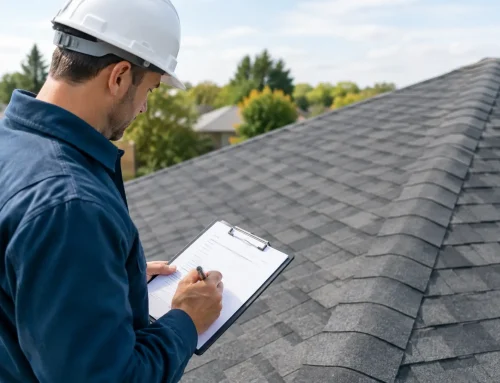
A real roof leak inspection goes beyond the visible drip. The roof surface should be checked for missing or lifted shingles, punctures, hail impact, flashing damage, exposed fasteners, failed sealants, soft decking, and signs of age-related wear. Gutters, downspouts, siding transitions, vents, skylights, and chimney areas should also be reviewed because leaks often start at these vulnerable points.
Inside the structure, an inspection should look at attic ventilation, insulation moisture, decking condition, and the path water may have followed before becoming visible indoors. In commercial properties, flat roof membranes, seams, drains, and penetrations need especially close attention.
This is also where honesty matters. Sometimes the right recommendation is a straightforward repair. Other times, especially after major storm damage or long-term leakage, repair may only delay a larger problem. A dependable contractor should explain the difference clearly, without pressure.
Preventing the next emergency
Most roof leaks give some warning before they become a crisis. Small ceiling stains, musty attic odors, granules in gutters, lifted shingles, or water spots near vents and chimneys should not be ignored. Scheduling inspections after major storms and keeping gutters clear can catch issues before they reach the living space.
Age matters too. An older roof may still look acceptable from the ground while failing at flashings, sealants, or underlayment details. If your roof has already had multiple repairs, the better long-term decision may depend on the roof’s remaining life, the extent of storm exposure, and whether repeated patching is costing more than it saves.
A roof leak feels urgent because it is. Still, the best response is not panic. It is a clear plan, safe action, good documentation, and fast professional help. If you can do those four things well, you protect more than your roof. You protect the people, property, and peace of mind underneath it.
Related Posts
If you enjoyed reading this, then please explore our other articles below: