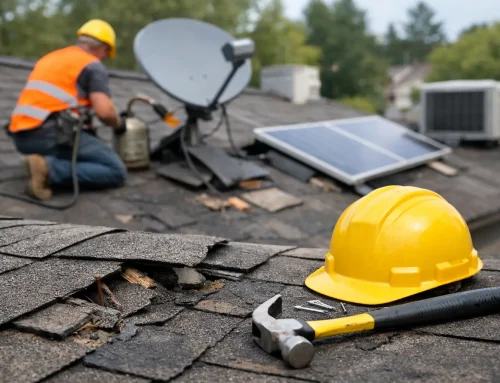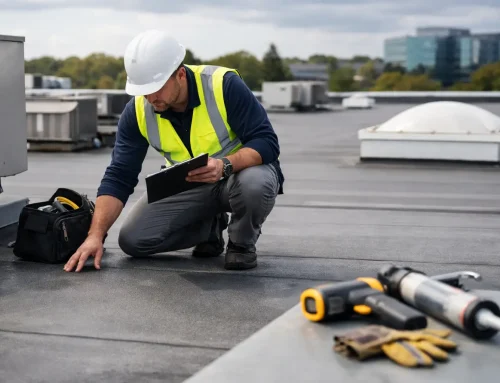

A roof problem rarely starts with a dramatic ceiling leak. More often, it begins with a few lifted shingles after a storm, a small flashing gap around a vent, or granules washing into the gutter where nobody notices them. That is why a residential roof inspection homeowner guide matters – it helps you catch trouble early, understand what is normal, and know when it is time to call a professional.
For most homeowners, the hard part is not caring about the roof. It is knowing what to look for without climbing up there, what counts as storm damage, and whether an issue needs a simple repair or a larger insurance conversation. A good inspection brings clarity. It should lower stress, not add to it.
What a residential roof inspection should actually tell you
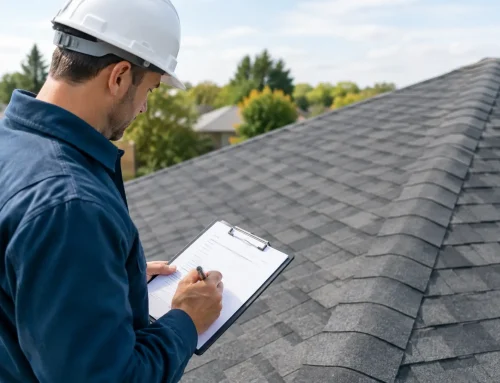
A professional roof inspection is more than a quick glance from the driveway. It should give you a clear picture of the roof’s condition, the remaining life of key components, and any signs of damage that could lead to leaks or structural issues.
That usually includes an assessment of shingles or other roofing materials, flashing, vents, valleys, ridges, gutters, and visible signs of moisture intrusion. If there has been recent hail or wind, the inspection should also look for impact marks, creased shingles, exposed underlayment, and other storm-related damage that is easy to miss from the ground.
For homeowners, the real value is context. A missing shingle is one thing. A missing shingle on an older roof with brittle surrounding tabs, soft decking, and hail bruising is something else. A trustworthy inspector explains the difference and gives honest next steps.
When homeowners should schedule a roof inspection
Some inspections are routine. Others are time-sensitive.
A roof should generally be inspected after a major storm, especially if your neighborhood saw hail, strong straight-line winds, or fallen tree limbs. Even if there is no immediate leak, storm damage can shorten the life of the roof and leave weak points that show up months later.
It also makes sense to schedule an inspection if your roof is aging, if you are buying or selling a home, or if you have noticed stains on ceilings, peeling paint near rooflines, sagging gutters, or shingle debris in downspouts. In these cases, waiting often turns a manageable repair into a more expensive project.
There is also a seasonal factor. Spring and fall are common times for inspections because weather is milder and storm patterns tend to expose damage. That said, if you suspect active damage, do not wait for the ideal season. Fast action matters more than a perfect calendar date.
Signs of roof damage you can spot from the ground
Homeowners do not need to walk the roof to notice early warning signs. In fact, staying off the roof is usually the smarter move for safety reasons.
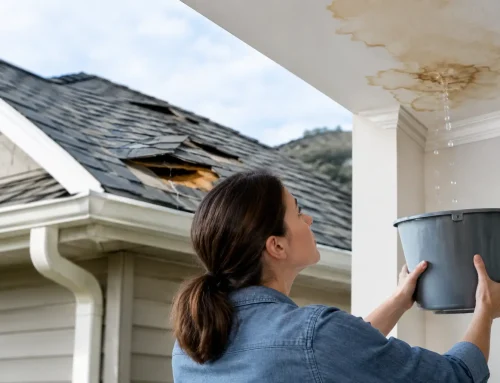
From the ground, you may be able to see dark patches, uneven shingle lines, missing tabs, dented metal vents, or pieces of roofing material near downspouts. Inside the home, look for water stains in the attic, musty smells, bubbling drywall, or sunlight coming through roof boards.
Gutters can also tell part of the story. Excessive granules in the gutter system may signal shingle wear, though that depends on the roof’s age. A newer roof can shed some granules naturally. An older roof dropping large amounts after a storm may be telling you something different. This is one of those situations where experience matters.
Storm damage is not always obvious
Wind and hail damage can be subtle, especially right after a storm when everything still looks mostly intact from the curb. Hail may leave bruising that weakens asphalt shingles without creating a visible hole. Wind may break a shingle seal or create a crease that eventually leads to failure.
That matters because hidden damage has a way of surfacing later, often after the timeframe when homeowners would have preferred to document it. If your area had a storm event and neighbors are finding damage, it is wise to have your roof checked, even if you do not see an active leak.
This is also where documentation becomes important. A careful inspection with photos and notes can help establish the condition of the roof and support the next step, whether that is a targeted repair, maintenance planning, or an insurance claim.
DIY roof checks vs. professional inspections
A basic visual check from the ground is helpful. Climbing onto the roof is another story.
Homeowners can often spot obvious issues from a safe distance, especially with binoculars or by checking the attic after a storm. But many roofing problems involve details around flashing, sealants, impact areas, and material condition that are hard to evaluate without training.
There is also the risk factor. Wet shingles, steep slopes, and storm-weakened areas make roof walking dangerous. Even if you get up there safely, you may not know whether a mark is cosmetic, repairable, or part of a bigger system failure.
A professional inspection is not just about access. It is about judgment. The goal is to identify what is damaged, what is aging normally, what can be repaired, and what should be monitored. Honest contractors do not treat every inspection like a roof replacement pitch. They explain the condition clearly and recommend what fits the evidence.
What happens during a professional inspection
Most homeowners feel better once they know what to expect. A solid inspection process is straightforward.
The contractor usually starts by asking about the home’s history, recent storms, leaks, and any areas of concern. Then comes the exterior assessment, which may include the roof surface, flashing points, penetrations, gutters, fascia, soffit, and visible siding connections where water can enter.
If accessible, the attic may also be checked for moisture, ventilation issues, mold, or staining. Photos are often taken to document findings. In storm situations, those photos can be especially valuable if you need to show damage to an insurance adjuster.
At the end, you should receive a clear explanation of what was found. Not a pressure-filled speech. Just the condition, the urgency, and the practical next step. If repairs are needed, they should be specific. If the roof is in good shape, that should be said plainly too.
The insurance side of a residential roof inspection homeowner guide
For storm-related damage, inspections often overlap with insurance questions. This is where many homeowners feel overwhelmed.
The first thing to know is that not every roof issue is an insurance claim. General aging, wear and tear, poor installation, and neglected maintenance are typically treated differently from sudden storm damage. That is why accurate inspection findings matter so much.
If the damage appears storm-related, proper documentation can help move the claim forward. Photos, measurements, material notes, and date-specific observations all help tell a clear story. It also helps to work with a contractor who understands how to communicate findings professionally and who can meet with the adjuster if needed.
That support can make a big difference in a stressful moment. Homeowners already have enough to manage after a storm. A contractor who can inspect thoroughly, explain what is happening, and help you understand the claim process brings real value. That is one reason many homeowners turn to companies like Crown Exteriors LLC when storm damage is involved.
Repair or replacement? It depends on the roof
This is one of the most common questions after an inspection, and the answer is not always simple.
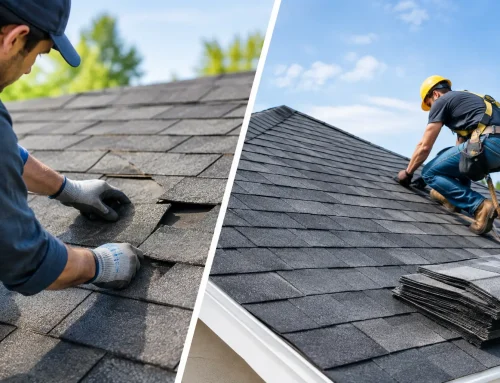
If damage is isolated and the surrounding materials are in solid condition, a repair may be the right move. That is often true for a few missing shingles, minor flashing damage, or a localized leak source.
If the roof is older, brittle, heavily storm-damaged, or showing widespread wear across multiple areas, replacement may make more financial sense. A patch on a failing system can buy time, but it may not solve the larger problem for long.
Matching materials is another factor. On older roofs, a small repair can stand out visually or perform differently than surrounding shingles. That does not always rule out repair, but it is part of the conversation. Good guidance weighs cost, longevity, appearance, and insurance realities rather than forcing a one-size-fits-all answer.
How to choose the right inspection company
Credentials matter. So does communication.
Look for a licensed and insured contractor with experience in residential roofing and storm restoration. Ask whether they provide photo documentation, whether they can explain findings in plain language, and whether they have experience working with insurance adjusters when storm damage is involved.
Local reputation counts too. A contractor who serves your area consistently has more at stake in every inspection and every recommendation. Neighbor reviews, responsiveness, cleanup standards, and warranty support all tell you something about how that company handles real customers after the paperwork is signed.
A good inspection should leave you more informed, not more confused. If the explanation feels vague or overly aggressive, trust your instincts.
The smartest time to act
The best time to schedule a roof inspection is before a minor issue becomes interior damage. That is true after storms, but it is also true when your roof is simply getting older and you want a clear baseline.
Peace of mind is not a small thing when it comes to protecting your home. A careful inspection gives you a plan, whether that means no action, a simple repair, or the start of a documented insurance process. If you have been wondering whether your roof is still in good shape, that question is usually worth answering sooner rather than later.
Related Posts
If you enjoyed reading this, then please explore our other articles below: