
When an inspector finishes looking over your roof, that is not the moment to simply nod and wait for a quote. The best questions after roof inspection can save you from paying for the wrong work, missing insurance deadlines, or letting small damage turn into a much larger problem.
For many homeowners and property managers, the inspection itself is the easy part. The confusing part comes after – when you are handed photos, told there may be storm damage, and asked to make decisions that affect your property, budget, and timeline. A good contractor should be able to explain what they found in plain language and help you understand what comes next.
Why the right questions matter after a roof inspection
A roof inspection can lead to very different outcomes. Sometimes the result is minor maintenance. Sometimes it is a repair. Sometimes it points to full replacement, especially after hail, wind, or water intrusion. If the property may qualify for an insurance claim, the conversation becomes even more important.
That is why the questions you ask should not be limited to price alone. Cost matters, but so do scope, urgency, documentation, warranty coverage, and whether related components like gutters, siding, flashing, or ventilation were affected too. The goal is not just to hear what is wrong. The goal is to understand the condition of the entire roofing system and make a sound decision.
Best questions after roof inspection to ask right away
What exactly did you find, and can you show me proof?
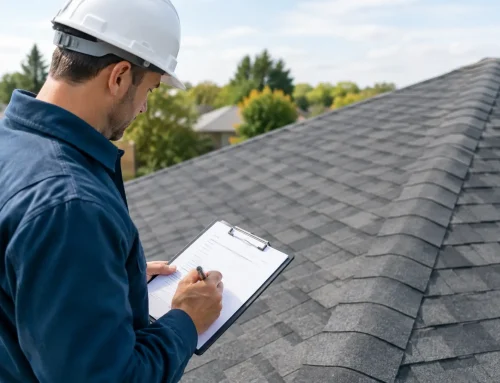
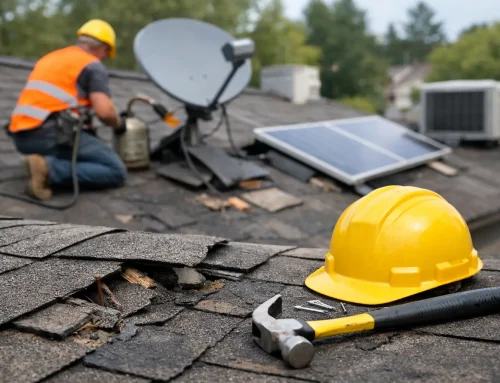
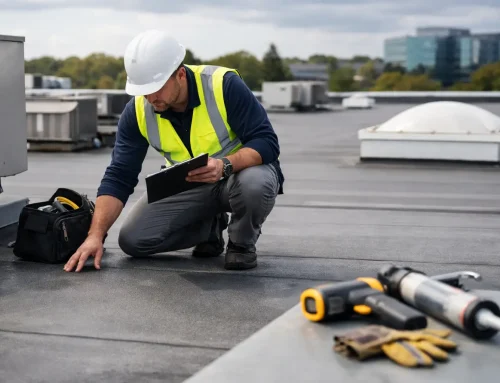
Start here. A trustworthy contractor should be able to walk you through the findings with photos, video, or clear notes. Ask them to point out damaged shingles, lifted tabs, punctures, granule loss, soft decking, flashing problems, or signs of active leaks.
This matters because roofing terms can sound more serious or more minor than they really are. “Wear and tear” is different from wind creasing. “Possible hail hits” is different from documented storm damage with functional impact. You should be able to see the difference for yourself.
Is this cosmetic damage, functional damage, or normal aging?
This is one of the most useful questions you can ask, especially after a storm. Cosmetic damage may affect appearance without shortening roof performance much. Functional damage can compromise waterproofing, shorten service life, or create openings for leaks.
Insurance carriers often look closely at this distinction. If your contractor cannot explain whether the issue is cosmetic, functional, or age-related, you may not have enough information to decide whether a claim, repair, or replacement makes sense.
How urgent is this problem?
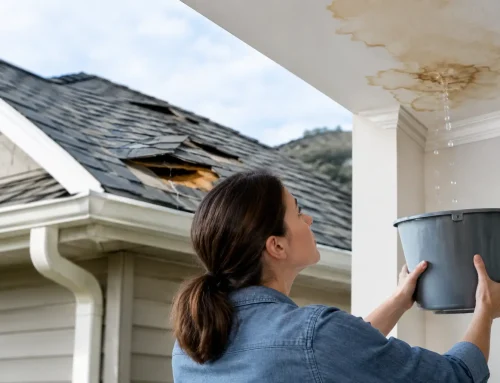
Not every roof issue needs same-day action, but some do. Ask whether the damage can safely wait a few weeks, whether it should be addressed immediately, or whether temporary protection like tarping is needed.
The answer depends on the type of damage. A few missing shingles in mild weather may allow a short planning window. Exposed underlayment, active interior leaking, or storm openings around flashing usually call for much faster action. A dependable contractor should tell you where the real urgency is instead of treating every inspection like an emergency.
Do I need a repair, partial replacement, or full roof replacement?
This is where experience matters. Some contractors lean too quickly toward replacement. Others recommend small repairs on roofs that are near the end of their life. Neither approach helps the property owner.
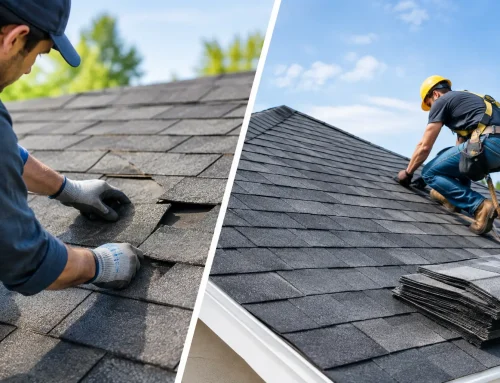
Ask why they are recommending a certain path. If the roof is generally sound and damage is isolated, a repair may be appropriate. If the roof has widespread storm damage, brittle materials, multiple leak points, or significant age, a full replacement may be the smarter investment. It depends on condition, not just the visible problem area.
Questions about insurance and storm damage
Does this look like damage that may qualify for an insurance claim?
If your area recently had hail, wind, or other severe weather, this question can save you time and stress. A contractor with storm restoration experience should be able to tell you whether the damage appears consistent with a covered event and whether the evidence supports filing a claim.
That does not mean every damaged roof should become an insurance claim. If the deductible is high and the issue is minor, paying out of pocket may be more practical. But if there is clear storm-related damage, waiting too long can make the process harder.
Will you document the damage for the claim process?
Good documentation is often the difference between a smooth claim and a frustrating one. Ask whether the contractor will provide photos, measurements, notes, and a clear scope of damage.
This is especially important when adjusters need to review the loss. A contractor who understands storm restoration should be prepared to present the condition of the roof clearly and professionally. Crown Exteriors LLC, for example, is built around this kind of hands-on support because homeowners often need more than a basic repair estimate.
Can you meet with the insurance adjuster if needed?
If an adjuster visits the property, it helps to have your contractor there. They can point out damage, answer technical questions, and make sure important issues are not overlooked.
This does not guarantee claim approval, and no honest company should promise that. But having an experienced contractor present can make the inspection more complete and reduce the chances of miscommunication.
Questions about scope, materials, and workmanship
What else should be inspected besides the roof?
Storm damage rarely stays limited to shingles. Ask whether gutters, downspouts, siding, soffit, fascia, flashing, skylights, vents, or attic ventilation also showed signs of damage or wear.
This is where homeowners sometimes lose money. They focus on the roof and miss connected issues that can affect water drainage, ventilation, or insurance scope. A full exterior review gives you a more accurate picture of what the property actually needs.
If repairs are possible, will the new materials match?
This is a practical question that people often forget until the job is done. Matching shingles, especially older or discontinued lines, can be difficult. A repair may fix the leak but still leave a visible patch.
That does not always mean a repair is the wrong choice. It means you should understand the likely result before approving the work. For some owners, appearance matters a great deal. For others, function and cost matter more. Either way, the expectation should be clear.
What materials will you use, and what warranties come with them?
Not all roofing materials perform the same way. Ask about shingle type, underlayment, flashing details, ventilation improvements, and manufacturer warranty coverage. Then ask what workmanship warranty the contractor provides.
This helps you compare proposals on more than price. A lower bid may leave out important components or use lower-grade materials. A better proposal often includes a more complete system and stronger protection long term.
Questions about timeline, pricing, and next steps
What happens next, and what timeline should I expect?
After the inspection, you should not be left guessing. Ask for a clear next-step plan. If the recommendation is repair, ask when the estimate will arrive and how soon work can begin. If replacement is likely, ask about scheduling, material availability, permit needs, and cleanup.
If insurance is involved, the timeline may depend on claim filing, adjuster scheduling, approval, and supplement discussions. A good contractor will explain those moving parts without making the process sound more complicated than it needs to be.
Are there any hidden costs or conditions that could change the price?
Roofing projects can uncover issues once work begins, especially on older homes. Rotten decking, hidden water damage, poor ventilation, or code-required upgrades may affect final cost.
That does not mean pricing should be vague. It means you should ask where the known price ends and where legitimate change orders might begin. Honest contractors explain these possibilities up front so there are fewer surprises later.
What a good post-inspection conversation should feel like
You should leave a roof inspection with more clarity, not more confusion. The contractor should be direct about what they found, realistic about your options, and willing to answer questions without pressure. If they avoid specifics, rush you into signing, or cannot explain the difference between minor wear and real storm damage, that is a sign to slow down.
The best contractors know that homeowners are making decisions under stress. A leak, a recent storm, or an insurance issue can make the process feel urgent and unfamiliar. Clear answers, photo documentation, and a step-by-step explanation go a long way toward building trust.
A roof inspection is not just a checkpoint. It is your chance to understand the condition of your property before small issues grow into bigger ones. Ask good questions, expect straight answers, and work with a contractor who treats your home like it matters. That is how you protect both your roof and your peace of mind.
Related Posts
If you enjoyed reading this, then please explore our other articles below: