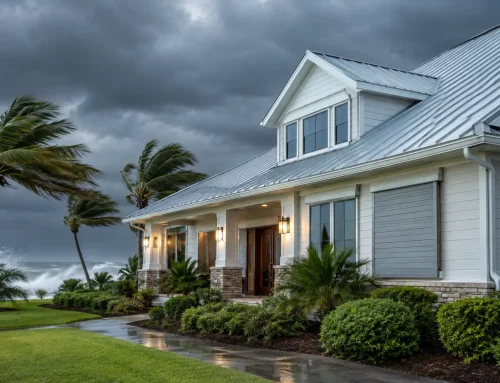

A flat roof can look fine from the ground and still be one storm away from a major disruption. For property owners and facility managers, commercial flat roof storm repairs are rarely just about roofing. They affect tenant safety, business continuity, interior damage, insurance timelines, and the total cost of restoring the building.
After a hailstorm, high winds, or heavy rain event, the biggest mistake is waiting for an obvious leak before acting. Commercial flat roofs often fail quietly at first. Water can move under the membrane, saturate insulation, and spread far from the entry point before stains ever show up inside. That is why a prompt inspection matters, even when damage seems minor.
Why storm damage on flat roofs gets expensive fast
Commercial flat roofs are built to manage weather, but storms test every weak point at once. Seams, flashing, drains, rooftop units, edge metal, and penetrations all take pressure during a severe event. If one of those areas opens up, water intrusion can travel quickly across a large roof system.
Flat and low-slope roofs also tend to hold water longer than steep-slope systems. When storm debris clogs drains or scuppers, ponding water adds weight and gives moisture more time to exploit small punctures and seam separation. A roof that might have needed a repair on day one can need insulation replacement and interior restoration by day ten.
That is one reason storm-related damage should be documented early. The roof issue itself is only part of the claim picture. Ceiling tiles, inventory, equipment, tenant spaces, and downtime can all be part of the larger loss.
What commercial flat roof storm repairs usually involve
Not every storm-damaged roof needs replacement. In many cases, targeted repair is the right solution. It depends on the age of the roof, the type of membrane, how widespread the damage is, and whether water has already compromised the insulation or decking.
Membrane punctures and tears
Hail, flying debris, and foot traffic during emergency response can puncture TPO, PVC, modified bitumen, or EPDM systems. Small openings may be repaired with compatible patches and heat-welded or adhered materials, but the repair has to match the roof system correctly. A quick patch with the wrong product can fail early and complicate future warranty questions.
Seam and flashing failure
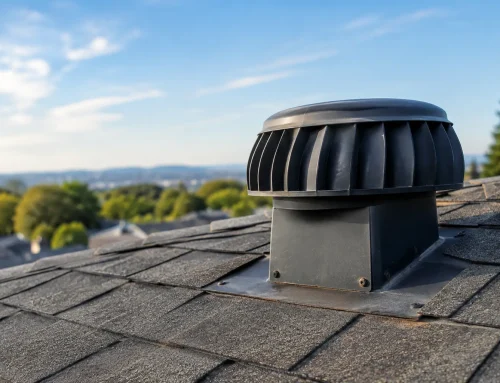
Storm uplift often targets roof edges, transitions, parapet walls, skylights, vents, and HVAC curbs. If flashing pulls loose or seams separate, water can enter even when the field membrane still looks intact. These repairs are common after high-wind events and need close attention because they are easy to miss without a roof-level inspection.
Drainage issues and ponding
Flat roofs depend on drainage. When storms dump large volumes of rain, blocked drains and damaged scuppers can create standing water that lingers for days. The repair may be as simple as clearing debris and fixing drain components, or it may involve correcting low areas where repeated ponding has weakened the system over time.
Saturated insulation and hidden moisture
This is where things become more complex. If water gets beneath the membrane, the visible roof surface may only tell part of the story. Wet insulation loses performance, can lead to mold concerns, and often requires removal before a lasting repair can be completed. In that case, the project moves beyond surface patching and into partial system restoration.
How to tell if your building needs immediate attention
Some signs are obvious. Active leaks, bubbling membrane, displaced edge metal, or debris impact on rooftop equipment all call for urgent service. Other warning signs are easier to overlook, especially on larger commercial properties where roofs are not inspected often.
If you notice water stains, musty odors, wet insulation around penetrations, unusual ponding after rain, or loose flashing around rooftop units, schedule an inspection right away. The same goes for any property that has gone through hail or wind strong enough to damage nearby buildings, siding, fencing, or gutters. Storm damage does not need to be dramatic to be real.
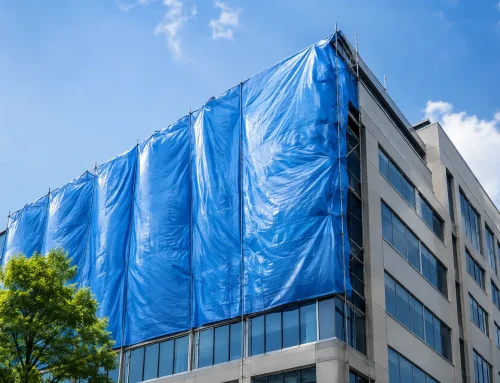
When immediate water entry is happening, emergency measures like tarping or temporary waterproofing may be needed first. That does not replace a full repair plan, but it can protect the building and show that you acted responsibly to reduce further damage.
Commercial flat roof storm repairs and insurance claims
For many property owners, the roof repair itself is only half the stress. The other half is figuring out what to document, what insurance may cover, and how to avoid delays.
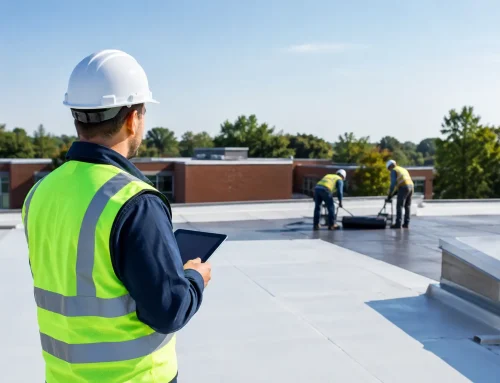
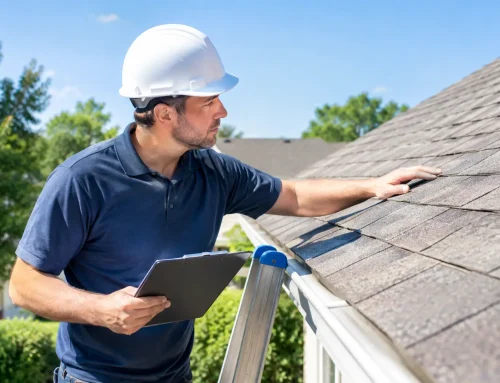
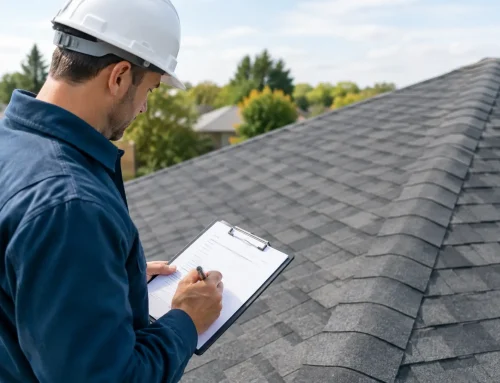
The best starting point is a thorough inspection with clear photos, written findings, and a scope that ties observed damage to the storm event. Insurance carriers want evidence, not guesses. That means documenting membrane damage, displaced components, signs of uplift, water intrusion, and any related exterior impacts.
It also helps to move quickly. Waiting too long can make it harder to separate storm damage from wear and tear in the eyes of the carrier. That does not mean every claim is approved automatically. Older roofs, maintenance issues, and previous repairs can affect coverage decisions. Still, a prompt inspection gives you a stronger factual record.
This is where working with a contractor who understands restoration and insurance communication can save time. A team that can inspect the roof, document the loss clearly, and meet with the adjuster helps keep the process focused on real conditions instead of assumptions. Crown Exteriors LLC takes that hands-on approach because property owners should not have to manage a storm claim alone while also trying to protect daily operations.
Repair or replacement? It depends on the roof
One of the most common questions after a storm is whether repair is enough. There is no honest one-size-fits-all answer.
If the damage is isolated and the roof system is still in good condition overall, repair is often the most practical choice. That is especially true when the membrane is relatively new and the insulation remains dry. Targeted restoration can return performance without the cost and disruption of a full replacement.
If the roof is older, has repeated leak history, shows widespread seam or flashing issues, or has hidden moisture across multiple sections, replacement may be the smarter long-term investment. Spending money on repeated repairs for a roof near the end of its service life can become more expensive than addressing the system properly once.
A trustworthy recommendation should weigh current damage, remaining roof life, code considerations, tenant impact, and claim outcomes. The goal is not to sell the biggest project. The goal is to protect the building and avoid putting you back in the same position after the next storm.
What a good repair process should look like
Commercial roof work should feel organized, not chaotic. First comes inspection and documentation. Then comes a clear explanation of what was found, what needs immediate protection, and whether repairs or replacement should be considered.
From there, the repair plan should match the roof system and the severity of the damage. Materials need to be compatible. Moisture-damaged components need to be identified, not covered over. Safety planning matters too, especially on occupied properties where access, staging, and business hours can affect the schedule.
Communication is a big part of the job. Property managers need updates they can act on, whether that means preparing tenants, coordinating access, or responding to insurance requests. A dependable contractor keeps the project moving without leaving you to chase answers.
How to reduce future storm damage on flat roofs
No roof can prevent every weather problem, but maintenance can reduce the size of the next repair. Routine inspections help catch open seams, loose flashing, failing sealants, and drainage issues before a storm turns them into major losses.
It is also smart to have the roof checked after significant weather, even if there is no active leak yet. Early repairs are almost always less disruptive than emergency repairs. Keeping drains clear, limiting unnecessary roof traffic, and addressing minor defects quickly can extend the life of the system and support stronger documentation if a future claim is needed.
For commercial properties, speed and clarity matter after a storm. The right response is not panic, and it is not delay. It is getting qualified eyes on the roof, documenting what is there, and making a sound decision before small damage turns into a larger business problem. A timely inspection today can spare you a much bigger repair tomorrow.
Related Posts
If you enjoyed reading this, then please explore our other articles below: