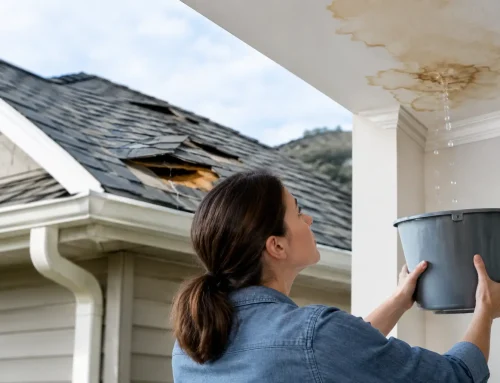

A roof leak after a storm can make every day feel longer than it should. If you are trying to plan around weather, insurance calls, material delivery, and the disruption of construction, understanding the roof replacement timeline helps you know what is normal, what can cause delays, and when to push for answers.
For most homes, the actual tear-off and installation may take one to three days. But that does not mean the full process only lasts a weekend. From the first inspection to final cleanup, a realistic timeline can stretch from a few days to several weeks depending on storm damage, insurance approvals, product availability, permit requirements, and weather.
The typical roof replacement timeline
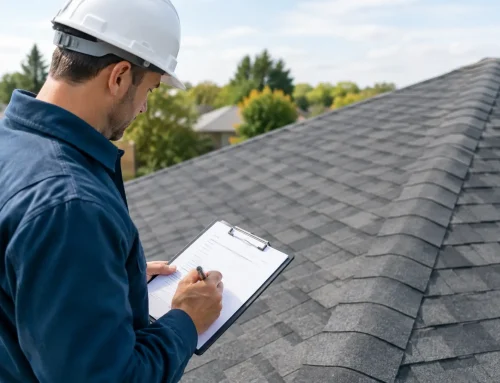
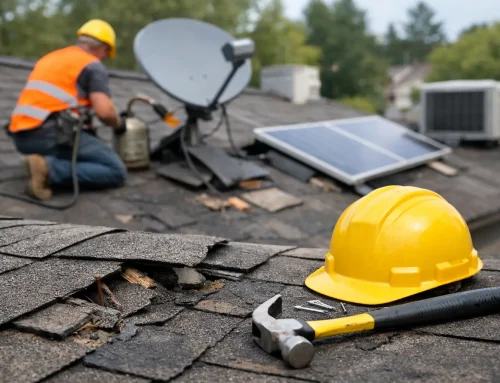
The full process usually starts with an inspection, not shingles. If your roof was damaged by hail, wind, falling branches, or age-related wear, the first step is confirming whether a repair will solve the problem or whether replacement is the better long-term choice.
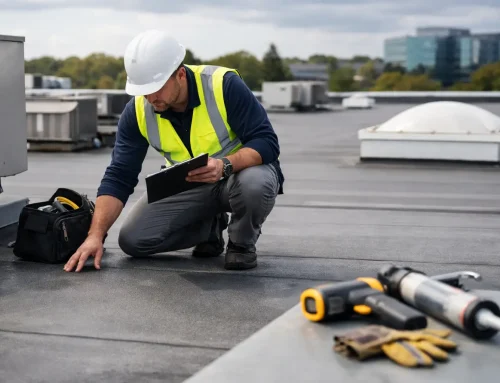
A professional inspection often happens quickly, especially after a storm event. In many cases, this can be scheduled within a day or two. The inspection itself may only take an hour, but the findings matter because they shape everything that follows, from scope of work to insurance documentation to material selection.
If the roof replacement is insurance-related, this phase can take longer than many homeowners expect. The adjuster visit, claim review, and approval process may move fast, or it may drag depending on carrier response times, storm volume, and whether supplemental damage is found. This is one reason the roof replacement timeline varies so much from one property to the next.
Once the scope is approved, the next steps are usually signing the agreement, selecting materials, pulling permits if needed, ordering products, and scheduling the crew. On a straightforward residential project with common shingle colors in stock, this can move quickly. If you choose a specialty product or your area is dealing with a surge in storm claims, lead times can add days or weeks.
What happens before installation day
The days before installation are where a good contractor can make the biggest difference. Homeowners often think nothing is happening because the old roof is still on the house, but this is where project coordination either stays organized or starts slipping.
Measurements are confirmed, ventilation needs are reviewed, material quantities are ordered, and delivery is scheduled. If decking issues, flashing problems, or code upgrades are likely, those should be discussed in advance so there are fewer surprises once the roof is opened up.
If your project involves insurance, documentation is a major part of the timeline. A contractor with storm restoration experience can help keep things moving by providing damage photos, line-item details, and communication support when adjusters need more information. That matters because the delay is not always on the roof. Sometimes the hold-up is in the paperwork.
Permits can also affect timing. Some municipalities issue them quickly, while others take longer depending on workload and local requirements. Commercial properties may face more layers of review than a standard single-family home.
How long installation usually takes
For an average single-family home, roof replacement itself often takes one to three days. A smaller, simple roof with good access and standard asphalt shingles may be completed in a day. A larger home with steep slopes, multiple valleys, chimney flashing, skylights, or detached structures can take longer.
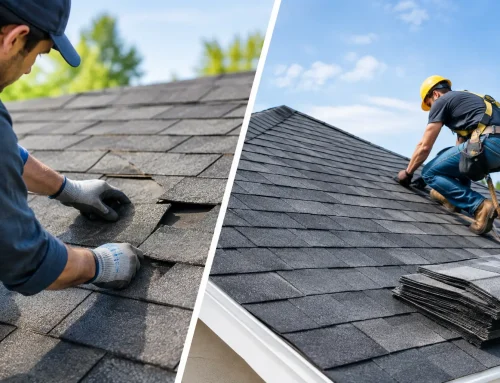
The first day usually includes material delivery, site protection, and tear-off of the old roofing system. Crews should protect landscaping, siding, windows, and outdoor items before the heavy work begins. Once the old roof is removed, the decking is inspected. This part is critical because damaged or rotted decking has to be replaced before new materials go on.
The second phase is installation of underlayment, flashing, drip edge, ventilation components, and shingles or other roofing materials. If the roof is large or complex, that work may continue into a second or third day. Final cleanup, magnetic nail sweep, and punch-list review typically happen at the end, though some crews perform cleanup throughout the job.
Not every project follows that exact pattern. A metal roof, tile roof, or low-slope commercial system may require a different schedule than a standard architectural shingle roof. The timeline depends on the system being installed, not just the square footage.
The biggest factors that can delay a roof replacement timeline
Weather is the most obvious variable, and for good reason. Rain, high winds, lightning, and extreme heat can all pause work for safety and quality reasons. A dependable contractor should not rush installation just to hit a date if conditions could compromise the roof.
Material availability is another common issue. Popular shingle colors are usually easier to source than specialty products. After major storms, supply chains can tighten quickly. That can affect both residential and commercial projects, especially if entire regions are replacing roofs at the same time.
Hidden damage is another factor. Until the old materials come off, no one can fully confirm the condition of the decking underneath. If soft spots, rot, or structural issues are uncovered, repairs must be made before the new roof is installed. That adds time, but it is the right call. Covering over bad wood only creates bigger problems later.
Insurance-related delays are also common after storm events. Approval timelines, revised scopes, supplements, and payment timing can all affect when materials are ordered and work begins. This is where having a contractor who knows the claims process can save a homeowner a lot of frustration.
How to keep the project moving
The best way to speed up a roof replacement is not by pushing the crew harder. It is by making early decisions and working with a contractor who communicates clearly.
Choose your shingle color and product line as soon as you are ready. Respond quickly when paperwork, claim details, or permit information is needed. Move vehicles from the driveway before installation day and clear fragile items from the attic walls or shelves, since roof work can cause vibration inside the home.
It also helps to ask direct questions early. Ask what is in stock, whether permits are required, how weather rescheduling works, and what could change once tear-off begins. A clear answer up front is better than a vague promise that everything will be done immediately.
If your roof was damaged in a storm, do not wait too long to schedule an inspection. Small issues can turn into interior leaks, wet insulation, mold concerns, and claim complications. Fast action does not guarantee instant replacement, but it does protect your options.
What homeowners should expect during the process
Roof replacement is noisy, messy, and temporary. That does not mean it should feel chaotic. A well-managed project should include clear arrival expectations, property protection, steady progress, and thorough cleanup.
You should know who to contact with questions, whether someone will be on site supervising, and what happens if additional damage is found. If the job is insurance-related, you should also know how supplements are handled and whether there is support for adjuster communication.
For families with kids, pets, or work-from-home schedules, planning ahead helps. The noise can be disruptive for several hours at a time. If you have fragile decor, attic storage, or vehicles close to the house, take precautions before the crew arrives.
When the timeline is fast and when it is not
Some roof replacements move from inspection to completion in less than a week, especially when the damage is clear, the materials are in stock, permits are simple, and the weather cooperates. Other projects take several weeks because the bottleneck is not labor. It is insurance review, municipal processing, product lead time, or storm volume across the area.
That is why the right question is not just, “How many days does a roof replacement take?” A better question is, “What stage are we in right now, and what could affect the next one?” Good contractors answer that clearly.
At Crown Exteriors, that hands-on approach matters most after storms, when homeowners are already dealing with enough stress. The right contractor does more than install shingles. They help keep the process organized, documented, and moving in the right direction.
If you are looking at signs of storm damage, missing shingles, active leaks, or an aging roof that may be near the end of its life, the smartest next step is a professional inspection. A realistic timeline, honest expectations, and steady communication can make the whole process feel a lot more manageable.
Related Posts
If you enjoyed reading this, then please explore our other articles below: