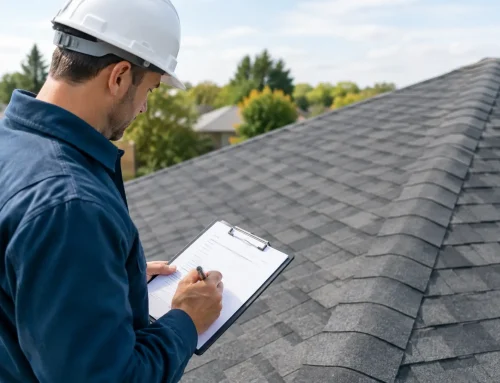

A storm can move through fast, but the roof problems it leaves behind often show up slowly. That is why a hail damage roof inspection matters so much after severe weather. Even when your roof looks fine from the driveway, hail can bruise shingles, loosen granules, crack materials, damage flashing, and create entry points for water that may not become obvious until weeks later.
For homeowners and property managers, the hard part is not always seeing the damage. It is knowing whether the damage is cosmetic, functional, or serious enough to justify a repair or replacement claim. A proper inspection gives you a clear answer, documented evidence, and a practical path forward instead of guesswork.
Why a hail damage roof inspection should happen quickly
Time matters after a storm, but not because every roof needs immediate replacement. It matters because hail damage can be subtle at first. A trained inspector looks for impact marks that an untrained eye can miss, especially on asphalt shingles, metal components, ridge caps, vents, skylights, gutters, and soft metals around the roofline.
The other reason to act quickly is documentation. If you wait too long, wind, heat, rain, and normal foot traffic can make it harder to connect specific damage to a recent storm event. If you think you may need to file an insurance claim, good records early in the process can make a major difference.
There is also a practical side. Small problems tend to grow. A cracked shingle mat or damaged flashing may not leak the next day, but it can shorten roof life and leave your home exposed through the next heavy rain.
What inspectors actually look for
A professional hail inspection is not just a quick glance at the roof surface. It should include the full exterior system and, when needed, parts of the interior. Hail rarely damages only one visible area.
On asphalt shingle roofs, inspectors look for bruising, granule loss, circular impact spots, fractured mats, torn tabs, and changes in shingle texture. On metal roofs or metal accessories, they check for dents, punctures, seam issues, and impact damage around fasteners. Soft metals often help confirm hail size and strike pattern because they show marks more clearly than shingles do.
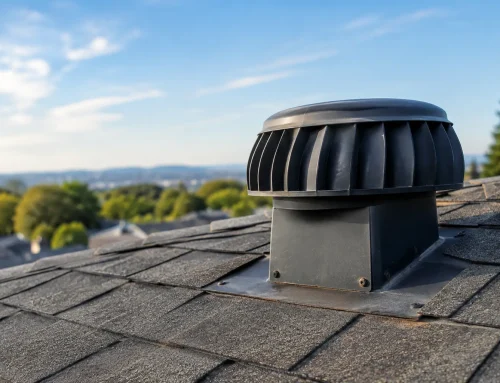
Your gutters, downspouts, window screens, siding, roof vents, flashing, and chimney caps can also tell the story of the storm. Damage in these areas supports the overall assessment and helps show whether the roof took a significant hit. Inside the property, inspectors may look for attic moisture, staining, wet insulation, or signs of ventilation issues made worse by storm damage.
Signs you should not ignore after hail
Some property owners call only after they spot a leak. By then, the damage may be more extensive than it needed to be. It is smarter to schedule an inspection if you notice dark spots on shingles, dents on gutters or garage doors, shingle granules collecting near downspouts, bent flashing, cracked roof vents, or water stains on ceilings.
That said, visible signs are not always present. A roof can have functional hail damage without obvious leaks or missing shingles. This is one reason storm-related inspections are best handled by someone experienced with restoration work, not just general roof maintenance.
The difference between cosmetic and functional damage
This is where many inspections become confusing for property owners. Not every mark from hail means your roof has failed. Some dents or surface blemishes may be cosmetic and have little effect on water shedding. Other impacts may compromise the material enough to shorten the roof’s service life or create a path for water.
The distinction matters because repair recommendations and insurance outcomes often depend on it. A good contractor should explain what was found in plain language, show you photo evidence, and be honest about whether the roof needs repair, monitoring, or full replacement. If the roof is still performing well, you should hear that clearly. If the damage is likely to lead to leaks or premature aging, you should hear that too.
What happens during a hail damage roof inspection
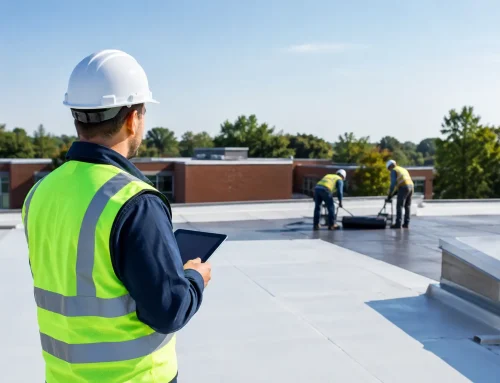
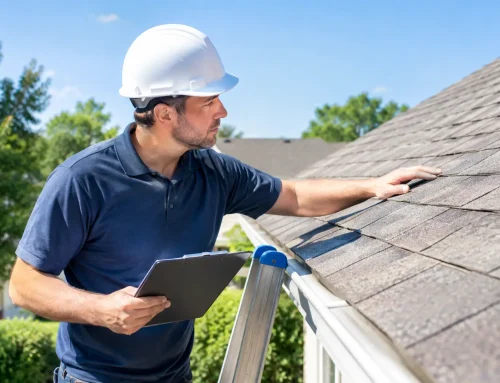
Most inspections start with a conversation about the storm date, what you have noticed, and whether there has been any interior leaking. From there, the inspector reviews the roof slope by slope, examines accessories and soft metals, checks surrounding exterior components, and takes detailed photos.
If damage is present, the next step is usually documentation. That may include written notes, marked test areas, photo reports, measurements, and a clear explanation of affected sections. If an insurance claim is appropriate, this documentation helps support the claim and gives the adjuster a more complete picture of the loss.
For many property owners, this is the most valuable part of the process. You are not left trying to explain roofing damage on your own. You have a record of what was found and what needs to happen next.
Insurance claims and why contractor support matters
Storm claims can feel overwhelming, especially if this is your first time dealing with one. The roof is only part of the stress. You may also be dealing with interior concerns, siding or gutter damage, scheduling issues, and questions from your carrier.
This is where an experienced restoration contractor can help. A strong inspection does more than identify damage. It organizes the facts so the claim process moves more efficiently. That includes documenting the roof correctly, identifying related exterior damage, and communicating clearly about scope.
It is not about promising that every roof will be approved for replacement. Honest contractors do not make guarantees they cannot control. It is about putting together accurate documentation and helping you understand the process from inspection through adjuster review, repairs, and final completion.
Why DIY roof checks are risky
After a hailstorm, many people are tempted to climb a ladder and inspect the roof themselves. That is understandable, but it is rarely the safest or most reliable option. Roof surfaces can be slick, steep, or structurally compromised after severe weather. Even if you get up there safely, hail damage is easy to misread.
Homeowners often confuse normal wear, blistering, manufacturing variation, or old scuffing with storm damage. The reverse happens too. Real impact damage gets overlooked because it does not look dramatic. A professional inspection reduces both risks – injury and misdiagnosis.
Repair or replacement? It depends on the roof
One of the biggest questions after a storm is whether the roof can be repaired or needs full replacement. The answer depends on several factors: the age of the roof, the extent and location of the damage, the roofing material, matching availability, local code requirements, and whether underlying components were affected.
A newer roof with limited hail hits on one slope may be repairable. An older roof with widespread impact damage, brittle shingles, or discontinued materials may be a stronger candidate for replacement. Commercial properties add another layer because low-slope systems, seams, insulation, drainage paths, and rooftop equipment all need to be evaluated together.
This is why blanket answers are not helpful. A trustworthy inspection should focus on your actual roof, not a sales script.
Choosing the right company for a hail damage roof inspection
Not all roofing companies approach storm work the same way. You want a contractor that is licensed, insured, experienced with storm restoration, and willing to show you what they found instead of pushing a rushed decision. The right team should inspect thoroughly, explain clearly, document carefully, and follow through.
It also helps to work with a company that understands the insurance side of the process without turning the conversation into pressure. Property owners need support, not confusion. If a contractor cannot explain the damage in plain English or avoids giving photo evidence, that is a red flag.
A company like Crown Exteriors LLC is built around this kind of hands-on storm restoration support, which can make a stressful situation feel much more manageable.
When to schedule your inspection
If hail recently hit your area, the best time to schedule is as soon as conditions are safe. You do not need to wait for a leak, and you should not assume the absence of visible damage means the roof is fine. Early inspections give you options. They also help protect your property before a minor issue turns into interior damage, mold concerns, or more expensive repairs.
If the inspection finds no meaningful damage, you gain peace of mind. If it does find storm-related problems, you can move forward with a clear plan instead of uncertainty.
A good roof inspection is not about creating fear. It is about getting honest answers after severe weather so you can protect your home, your budget, and your timeline with confidence.
Related Posts
If you enjoyed reading this, then please explore our other articles below: