
A roof claim denial usually lands at the worst possible time – after a storm, after a leak, and after you’ve already started worrying about what the repair bill will look like. If you are searching for denied roof insurance claim options, the good news is that a denial is not always the end of the road. In many cases, it is the start of a better-documented, more organized second review.
Insurance companies deny roof claims for different reasons, and not all of them are final or fair. Sometimes the carrier says the damage came from wear and tear instead of wind or hail. Sometimes the adjuster misses key signs of storm impact. Sometimes the estimate is incomplete, or the paperwork does not clearly connect the damage to a covered event. That is frustrating, but it also means the next step should be based on facts, not panic.
Why roof claims get denied
Most denied claims come down to one of a few issues. The insurance company may argue the roof is old and failing from age, not storm damage. It may say the damage was pre-existing, that maintenance was neglected, or that the reported loss does not match the physical evidence on the roof. In other cases, the policy itself creates the problem because of exclusions, depreciation language, or limitations tied to roof age and material type.
This is where homeowners often get stuck. They know the roof was damaged, but they do not know how to challenge the reason for denial in a way the insurer will take seriously. A verbal disagreement is rarely enough. The carrier will want photos, measurements, test squares, weather-date support, repairability analysis, and a clear explanation of what was missed or misclassified.
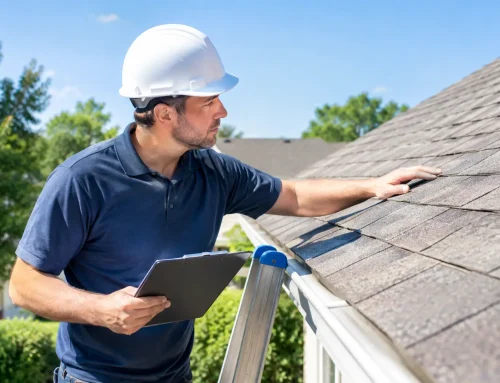
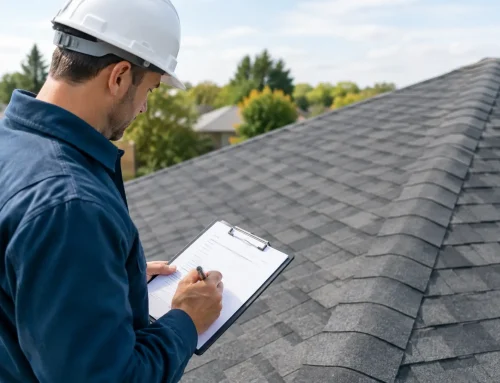
That is why the inspection matters so much. A thorough roof inspection can separate true storm damage from normal aging and can identify collateral damage to gutters, siding, soft metals, and accessories that help support the claim. If the first inspection was rushed or incomplete, the denial may reflect bad information rather than the full condition of the property.
Denied roof insurance claim options that make sense
The best denied roof insurance claim options depend on why the claim was denied and what evidence is available now. Some homeowners should ask for a reinspection right away. Others may need a more detailed contractor report first. In some situations, the issue is less about the roof itself and more about policy language, filing deadlines, or how the loss was presented.
A smart first move is to read the denial letter carefully. Look for the exact reason the claim was denied. If the letter says the damage is cosmetic, that requires a different response than a denial based on wear and tear. If the letter says there is no evidence of wind or hail, then the next step is to gather objective documentation that directly addresses that finding.
After that, arrange for a qualified roofing contractor with storm damage experience to inspect the roof. Not every roofer approaches insurance work the same way. You want someone who can document the loss clearly, identify code-related issues when relevant, and explain the damage in plain language. A contractor who regularly works with adjusters can often spot where the original inspection fell short.
In many cases, a reinspection is the most practical path forward. That usually means presenting new documentation and asking the carrier to take another look. If your contractor can meet with the adjuster on site, that often helps. Real-time discussion at the property can clear up missed damage, explain slope-specific issues, and provide context that photos alone may not capture.
What to gather before you dispute a denial
The strongest claim disputes are organized. Start with the denial letter, your insurance policy, and any estimate or scope provided by the carrier. Then gather date-stamped photos of the roof and exterior, notes about when the damage was first noticed, and records of any emergency repairs such as tarping or leak mitigation.
Weather information can help too, especially if there was a known hailstorm or wind event in your area. The goal is not to overwhelm the insurance company with paper. The goal is to show a clean, credible connection between a covered storm event and the damage now visible on the property.
A professional inspection report can be especially valuable if it includes marked photos, slope details, material condition, and supporting observations about collateral damage. If interior leaking occurred, include those photos as well. Water staining, ceiling damage, and attic moisture do not prove the cause by themselves, but they can support the timeline and seriousness of the issue.
If the insurance company denied the claim based on roof age, documentation about the roof’s installation date, prior maintenance, or condition before the storm may help. Age alone does not always eliminate coverage. It depends on the policy and the cause of loss.
When a second inspection can change the outcome
A second inspection often changes the outcome when the first adjuster had limited access, little storm-restoration experience, or too little time on the roof. Hail damage can be subtle. Wind damage can affect only certain slopes, ridges, or tabs. Matching issues, code upgrades, and hidden damage are easy to miss if the inspection is surface-level.
This does not mean every denied claim should be approved. Some roofs truly are worn out, poorly maintained, or damaged by causes not covered under the policy. Honest guidance matters here. A trustworthy contractor should tell you when the evidence is weak instead of promising a result no one can guarantee.
But when the denial is based on an incomplete picture, a second inspection can make all the difference. That is especially true after severe weather, when adjusters may be handling high claim volume and fast site visits. A measured, well-documented reinspection request gives the carrier something specific to review rather than a general complaint.
Should you file an appeal?
If your policy or carrier allows a formal appeal, it may be worth pursuing. The value of an appeal depends on the strength of your documentation and the reason for denial. A strong appeal directly addresses the insurer’s explanation, includes supporting evidence, and stays focused on the facts.
This is not the place for a long emotional argument. It is better to explain what damage is present, why it is consistent with a covered event, what was missed in the original review, and what outcome you are requesting. Precision matters more than volume.
In some cases, property owners also consider involving a public adjuster or legal counsel. That decision depends on the size of the loss, the complexity of the denial, and how the carrier responds to new evidence. For many roof claims, starting with a reputable contractor and a documented reinspection request is the most efficient and cost-conscious route.
How contractor support helps after a denial
A contractor with insurance-claim experience can do more than write an estimate. They can document damage thoroughly, explain repair versus replacement issues, identify code-related requirements, and meet with the adjuster to review findings on site. That support often reduces confusion for the homeowner and keeps the conversation focused on the actual roof condition.
This is one reason many property owners look for a restoration partner rather than just a roofing crew. If your contractor understands the claims process, they can help you avoid common mistakes like incomplete photo sets, vague damage descriptions, or missed exterior items that should have been included from the start.
At Crown Exteriors, this hands-on approach is a big part of how storm damage claims are managed. The goal is simple – inspect carefully, document honestly, and help the property owner move forward with clear next steps.
What not to do after a claim denial
Do not assume the denial letter is automatically final. Do not delay so long that policy deadlines or worsening damage create a new problem. And do not hire a contractor who pressures you with guarantees about claim approval. No honest professional controls the insurance company’s decision.
It is also wise not to make permanent repairs before the damage is properly documented, unless safety or further water intrusion makes immediate action necessary. Emergency protection is important, but preserving evidence matters too.
A practical next step for denied roof insurance claim options
If you are weighing denied roof insurance claim options, the most useful next step is usually a fresh, professional inspection paired with a careful review of the denial letter. That combination tells you whether the issue is weak evidence, policy language, missed storm damage, or a claim that truly falls outside coverage.
The right help can save time, reduce stress, and keep you from paying out of pocket for damage that should have been evaluated more carefully. When your roof has been through a storm, clarity is worth a lot – and the right inspection is often where that clarity begins.
Related Posts
If you enjoyed reading this, then please explore our other articles below: