
A roofing crew arrives early, protects the landscaping, and starts removing old shingles. By late afternoon, many homeowners are surprised to see a finished roof instead of the multi-day project they expected. Still, the answer to how long does roof replacement take depends on more than the size of your home. Weather, roof design, material choice, hidden damage, and insurance timing can all affect the schedule.
For a straightforward residential asphalt shingle roof, installation often takes one to two days once materials are on site and the crew can begin. Larger, steeper, more complex, or storm-damaged roofs may take several days. The key is knowing which part of the process is being discussed: getting approval and materials ready can take longer than the actual installation.
How Long Does Roof Replacement Take From Start to Finish?
There are two timelines to consider. The first is the planning and approval period. The second is the active construction period, when the crew is working on your roof.
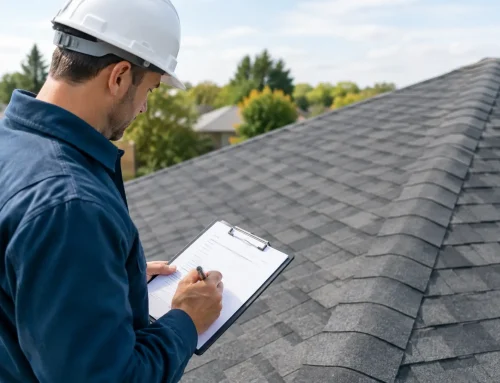
If you are paying directly and materials are readily available, a roof replacement may be scheduled within days or a few weeks after your inspection and estimate. If storm damage is involved, the timeline may include an inspection, damage documentation, an insurance claim, an adjuster visit, approval, material selection, and scheduling. That process can range from a few weeks to several months, depending on the carrier, the extent of damage, and demand after a major storm.
Once work begins, a typical asphalt shingle replacement on an average-sized home commonly takes one day. Two days is normal for a larger roof, a home with multiple roof sections, or a project that requires decking repairs. Commercial roof replacement timelines vary more widely because of square footage, membrane systems, building access, drainage details, and the need to keep business operations running safely.
A reputable contractor should explain the expected schedule before work begins and keep you informed if conditions change. Clear communication matters, especially when your property has been affected by wind, hail, or water intrusion.
What Affects the Roof Replacement Timeline?
No two roofs are exactly alike. A simple ranch-style home with a low-slope, easy-to-access roof moves much faster than a steep two-story home with dormers, valleys, skylights, chimneys, and several layers of old shingles.
Roof size and design
More roofing area means more material to remove, install, and clean up. Complexity also adds time. Valleys, flashing around chimneys, pipe boots, skylights, and steep areas require careful detail work. Those details are not places a contractor should rush. Proper installation protects the areas where leaks are most likely to begin.
Existing roofing layers
A roof with one layer of shingles is generally faster to tear off than a roof with multiple layers. Local building codes may require full removal in certain situations, and removing old materials allows the crew to inspect the roof deck underneath. While a complete tear-off adds labor, it can prevent serious issues from being covered up.
Damaged roof decking
After shingles are removed, the crew may find soft, rotten, cracked, or water-damaged decking. Damaged decking needs to be replaced before the new roof is installed. This can add hours or a day, depending on how widespread the issue is.
This is one of the reasons an experienced contractor avoids promising an exact finish time without allowing for the condition beneath the old roof. Honest recommendations protect your home better than a rushed schedule.
Weather conditions
Roofing crews monitor weather closely. Rain, lightning, high winds, extreme heat, and freezing conditions can delay work or require it to pause. Shingles and underlayment need to be installed on a dry surface, and crews should not be working in unsafe conditions.
A short weather delay is frustrating, but it is better than taking chances with your home or the safety of the crew. When storms are expected, a professional roofer can secure exposed areas with temporary protection and return when conditions allow for quality work.
Material availability and type
Standard architectural shingles are usually easier to source than specialty products. Premium shingles, metal roofing, tile, slate, specialty colors, and certain commercial materials may have longer lead times. If color is a major decision for your home’s curb appeal, make that selection early so it does not hold up scheduling.
A Typical One-Day Roof Replacement Schedule
On a standard asphalt shingle project, the day starts with setup. The crew places tarps and protective coverings around the home, driveway, landscaping, and exterior features. They also set up a dumpster or debris trailer for old roofing materials.
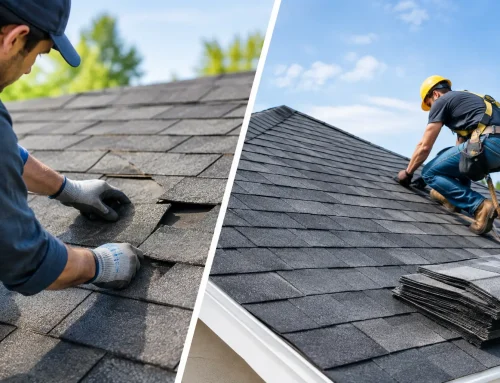
Next comes the tear-off. Existing shingles, underlayment, and damaged flashings are removed so the roof deck can be inspected. If the decking is sound, the crew installs new underlayment, ice and water protection where needed, drip edge, flashing, shingles, ridge ventilation, and ridge caps.
The final stage is cleanup. Crews remove debris, sweep the area, and use magnets to collect stray nails around the property. The contractor should also complete a final walk-through or inspection to confirm the roof and cleanup meet expectations.
The workday can be noisy. There will be hammering, footsteps overhead, equipment movement, and debris being loaded out. If you work from home, have young children, pets, or a neighbor who needs advance notice, plan accordingly.
Insurance Claims Can Add Time Before Installation
For homeowners dealing with hail or wind damage, the roof replacement itself may be the fastest part of the process. The claim is often where delays occur.
After a storm, insurance carriers can receive a high volume of claims. An adjuster appointment may take time to schedule, especially after widespread hail, hurricanes, or severe wind events. The scope of approved work may also need to be reviewed against the contractor’s findings if important damage was missed or if code-related items need to be addressed.
Documentation helps move the process forward. Photos, measurements, detailed inspection notes, and a clear scope of damage give the claim a stronger foundation. Crown Exteriors works with property owners through this process, helping document storm damage and communicate with adjusters so customers have a clearer path from inspection to completed restoration.
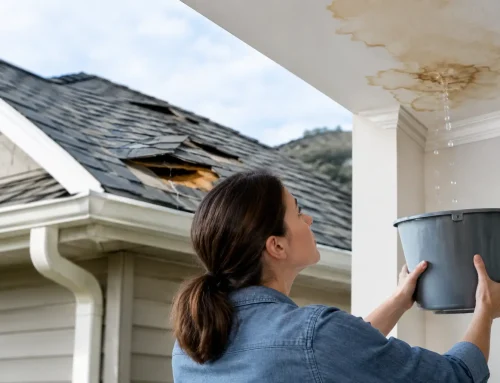
Do not wait to address active leaks or visible storm damage while an insurance decision is pending. Emergency tarping and temporary repairs may help limit additional water damage. Keep receipts, photos, and records of any emergency work for your claim.
How to Prepare for Roof Replacement Day
A little preparation makes the project safer and less stressful for everyone. Move vehicles out of the driveway and away from the garage so the crew has access and your cars are protected from falling debris. Clear patio furniture, grills, potted plants, and outdoor decorations from the areas around the house.
Inside, remove fragile items from walls or shelves, especially on upper floors. Roof replacement creates vibration that can shift pictures, mirrors, and loose décor. Cover belongings in the attic if dust is a concern, and make sure the crew knows about satellite dishes, solar equipment, delicate landscaping, gates, or other site-specific details.
Pets are often more comfortable away from home during the noisiest part of the day. If that is not possible, keep them in a quiet interior room and let the project manager know if you need access to the yard or driveway at a specific time.
When a Roof Replacement Takes Longer Than Expected
An extra day does not necessarily signal a problem. It may mean the crew encountered more decking damage than expected, had to stop for rain, or is taking the time needed to complete detailed flashing correctly. Those are reasonable causes for a schedule adjustment.
What should concern you is a lack of communication. Your contractor should explain what changed, show you any newly discovered damage when possible, outline the additional work needed, and provide an updated schedule. You deserve direct answers about your home, your insurance claim, and your investment.
If your roof has been damaged by a recent storm or is showing signs of age, start with a professional inspection rather than trying to estimate the timeline from the ground. A clear assessment gives you a realistic schedule, helps identify urgent protection needs, and lets you make the next decision with confidence.
Related Posts
If you enjoyed reading this, then please explore our other articles below: