
A roof replacement is a major decision, especially after hail, wind, or heavy rain has already put your property through a stressful situation. When weighing asphalt shingles versus metal roofing, the best choice is rarely about which material is “better” in every case. It comes down to your budget, your building’s design, the local weather, the condition of the roof deck, and how long you plan to own the property.
For many homeowners, asphalt shingles remain the practical and familiar choice. For others, metal roofing offers long-term durability that makes the higher initial investment worthwhile. A thorough roof inspection should come before either decision, particularly when storm damage and an insurance claim are involved.
Asphalt Shingles Versus Metal Roofing: The Main Differences
Asphalt shingles are the most common roofing material on American homes. They are available in a wide range of colors, styles, and quality levels, from basic three-tab shingles to architectural shingles with more depth and wind resistance. Most homeowners recognize the look, and most roof structures are designed to accommodate them easily.
Metal roofing is typically installed as standing-seam panels, exposed-fastener panels, or metal shingles designed to resemble traditional roofing materials. It is lightweight, long-lasting, and well suited to homeowners who want a clean, modern appearance or a roof designed for decades of service.
The key difference is not simply material. Asphalt shingles are generally easier and less expensive to replace, while metal roofing usually costs more up front but can last substantially longer. Both can protect a property well when installed correctly with proper flashing, ventilation, underlayment, and drainage.
Upfront Cost and Long-Term Value
For most property owners, budget is the first question. Asphalt shingles usually carry a lower installation cost than metal roofing. Material pricing is more accessible, installation is typically faster, and repairs are familiar to many roofing crews. If your roof must be replaced after a covered storm loss, insurance estimates often account for the cost of replacing the existing shingle system with comparable materials.
Metal roofing generally requires a larger initial investment. The panels, trim, fasteners, specialized accessories, and installation expertise can increase the project cost. Complex rooflines with valleys, dormers, chimneys, skylights, and multiple transitions may add even more labor.
That higher cost can make sense for a long-term owner. A quality metal roof may last 40 to 70 years or more, depending on the system, local conditions, maintenance, and installation quality. Asphalt shingles commonly last 15 to 30 years, with premium architectural products often offering a longer service life than entry-level options.
Still, lifespan should not be viewed in isolation. A lower-cost asphalt roof can be the wiser financial choice if you expect to sell within a few years, if the property is a short-term investment, or if the home’s style is better served by shingles. The goal is not to buy the most expensive roof. It is to choose a system that fits the property and your plans for it.
Storm Performance in Missouri, Illinois, and Florida
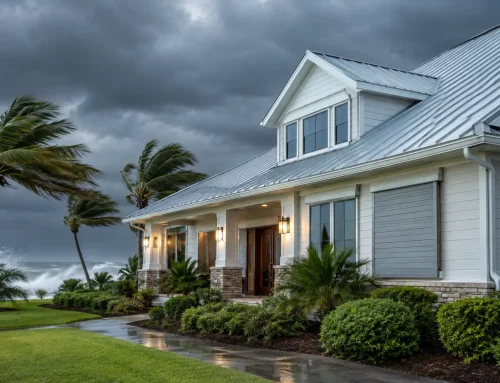
Storm exposure changes the conversation. Missouri and Illinois properties may face hail, straight-line winds, snow, ice, and sudden temperature swings. Florida roofs often contend with intense sun, wind-driven rain, tropical storms, humidity, and hurricane-related weather conditions.
Architectural asphalt shingles can offer strong wind ratings and impact-resistant options. Class 4 impact-resistant shingles, for example, are designed to perform better against certain hail impacts than standard shingles. They are not hail-proof, and they can still sustain damage in a severe storm, but they may be a smart option in hail-prone areas.
Metal roofing is highly wind resistant when it is engineered and installed for the property’s location and code requirements. Its interlocking panels can perform very well in high-wind conditions. Metal also sheds rain and snow efficiently, which can be helpful where moisture management matters.
However, no material is immune to storm damage. Hail can dent metal panels, affect finishes, or damage roof components such as vents, flashings, gutters, and skylights. Shingles can lose granules, crease, crack, lift, or blow off. After any significant storm, the right first move is a professional inspection rather than a decision based on what the roof looks like from the ground.
Appearance and Curb Appeal
Asphalt shingles offer flexibility. Homeowners can choose from neutral grays and browns, bold blacks, weathered wood tones, and dimensional blends that complement brick, siding, stone, and trim. Architectural shingles are especially popular because they create more texture than basic three-tab shingles without changing the home’s traditional appearance.
Metal roofing can create a distinct look that works especially well on farmhouses, contemporary homes, coastal properties, cabins, and commercial buildings. Standing-seam metal has crisp vertical lines, while metal shingles can offer a more traditional profile. Available colors and finishes have expanded considerably, so metal no longer means a bare silver roof.
Appearance should be considered alongside the neighborhood, the home’s architecture, and any homeowners association requirements. A material that looks excellent on one house may feel out of place on another. If curb appeal is part of the replacement decision, reviewing color samples in natural daylight is worth the time.
Repairs, Maintenance, and Installation Details
Asphalt shingles are usually easier to repair in isolated areas. If a few shingles are damaged by wind or a fallen branch, a qualified roofer may be able to replace the affected section, provided matching materials are available and the surrounding roof is in good condition. Color blending can be a challenge on older roofs because weathering changes the appearance over time.
Metal roofs require less routine maintenance, but repairs can be more specialized. A damaged panel may need careful removal and replacement, and matching the color or finish on an older system can also be difficult. Exposed-fastener metal roofs need periodic attention because fasteners and washers can loosen or deteriorate over time. Standing-seam systems generally have fewer exposed penetrations, but proper installation remains critical.
Neither roof should be treated as maintenance-free. Gutters should be kept clear, tree limbs should be trimmed away from the roof, and attic ventilation should be evaluated. Poor ventilation and trapped moisture can shorten the life of virtually any roofing system.
Energy Efficiency and Noise Concerns
Metal roofing can reflect more solar heat than darker asphalt shingles, particularly when paired with an appropriate reflective finish and proper attic insulation. That may help reduce cooling demands in warm climates. In Florida, this benefit can be appealing, although the actual energy savings depend on the building’s insulation, ventilation, roof color, and HVAC performance.
Asphalt shingles also come in lighter and reflective options, sometimes called cool roofing shingles. They can be a good fit for homeowners who want a familiar roof system while improving heat management.
A common concern is that metal roofs are loud in the rain. On a properly installed residential roof with solid decking, underlayment, attic insulation, and ceiling materials, the difference inside the home is often much less dramatic than people expect. An open porch or metal building will sound different than a fully insulated home.
Insurance Claims and Replacement Decisions
If a storm has damaged your roof, do not assume that an insurance carrier will automatically pay to upgrade from asphalt shingles to metal roofing. Insurance coverage usually depends on the policy, the documented storm damage, local code requirements, depreciation terms, and the materials currently installed. A carrier may approve replacement of a damaged shingle roof with comparable shingles, while the homeowner pays the difference for an elective metal upgrade.
There are exceptions. Building code requirements, matching issues, unavailable materials, or policy provisions may affect the scope. This is why detailed documentation matters. Photos, measurements, damage reports, and a clear explanation of the roof system can help support an accurate claim evaluation.
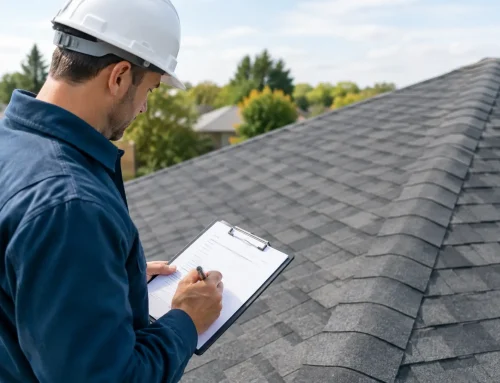
Crown Exteriors can inspect the roof, document storm-related damage, and help property owners understand the repair or replacement options before they make a costly decision. Honest guidance matters here. Some roofs need replacement, while others can be repaired safely and effectively.
Which Roof Is Right for Your Property?
Choose asphalt shingles when you want a cost-effective replacement, a traditional appearance, straightforward repair options, and a wide range of colors. They are a strong choice for many homes and can provide dependable protection when installed with quality materials and proper workmanship.
Consider metal roofing when you expect to own the property for the long haul, value a longer service life, want strong wind performance, or prefer its architectural style. It can be an excellent investment, but it deserves careful planning, especially around budget, roof complexity, and insurance coverage.
Before selecting a material, have the roof deck, ventilation, flashings, gutters, and storm damage evaluated as one complete system. A roof is only as dependable as the details beneath and around it. A clear inspection and an honest conversation now can help you move forward with confidence when the next storm arrives.
Related Posts
If you enjoyed reading this, then please explore our other articles below: