
A roof leak over tenant space, inventory, or office equipment can turn into a business disruption in a matter of hours. That is why commercial storm damage roofing is not just about fixing a roof surface. It is about protecting operations, documenting damage correctly, and making smart decisions quickly enough to prevent a manageable problem from becoming a costly one.
For commercial property owners and managers, storm damage rarely arrives as one obvious hole in the roof. It often shows up as lifted membrane seams, punctures from debris, saturated insulation, flashing failure, clogged drainage, or hidden water intrusion that spreads behind walls and above ceilings. After hail, high winds, or heavy rain, the first priority is not guessing. It is getting a qualified inspection and a clear plan.
What commercial storm damage roofing really involves
Commercial roofs fail differently than many residential roofs. A flat or low-slope system can hold water, hide moisture under the membrane, and allow damage to travel beyond the point of impact. A metal commercial roof may look intact from the ground while fasteners, seams, or panels have already been compromised. Modified bitumen, TPO, EPDM, PVC, and coated systems each respond to storms in their own way, which is why the inspection matters as much as the repair.
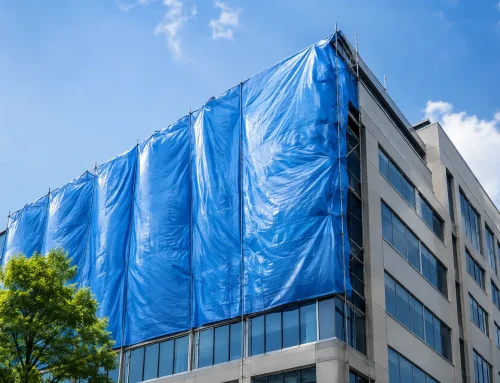
In practical terms, commercial storm damage roofing usually includes three separate needs. The first is emergency protection, such as tarping or temporary waterproofing, to limit further interior damage. The second is accurate documentation, including photos, measurements, and notes that support the insurance process. The third is repair or replacement work that matches the actual condition of the roof rather than a rushed assumption.
That last part matters. Some roofs can be repaired effectively and economically. Others have damage that is widespread enough to justify replacement, especially when water has entered insulation or multiple components have failed at once. The right answer depends on the roof type, the age of the system, the severity of the storm, and whether repairs will truly restore long-term performance.
Signs your commercial roof may have storm damage
Not every problem is visible from the parking lot. In many cases, the first warning sign appears inside the building. Water stains on ceiling tiles, damp insulation, musty odors, peeling paint near roof lines, or unexplained drips after rain can all point to storm-related roof failure.
Outside, common red flags include membrane tears, punctures, missing edge metal, displaced rooftop equipment covers, bent flashing, ponding water that lasts too long after a storm, loose fasteners, impact marks from hail, and clogged or damaged gutters and drains. On metal roofs, hail may leave cosmetic dents only, but it can also damage seams, coatings, or locks in ways that affect performance. That is one of those areas where it depends. Cosmetic damage and functional damage are not the same thing, but both need to be evaluated carefully before an insurance claim is discussed or denied.
If your building has multiple tenants or sensitive equipment inside, even minor-looking damage deserves prompt attention. Small entry points can lead to insulation saturation, mold concerns, damaged merchandise, and electrical hazards if water migrates far enough.
Why speed matters after a storm
Commercial property owners are often balancing several pressures at once. You need to protect tenants, keep business moving, notify carriers, and avoid making a permanent decision before the facts are clear. Acting fast does not mean rushing into a full replacement. It means taking the right first steps while the evidence is still fresh.
A timely inspection can help establish storm-related damage before temporary patches, foot traffic, or later weather events complicate the picture. Fast response also reduces the risk of secondary damage, which can become expensive and harder to attribute to the original storm event. If insulation gets soaked and stays trapped under the roof system, the problem grows even when the visible leak seems small.
This is where an experienced restoration contractor adds real value. A contractor who understands storm response can stabilize the property, identify the full scope of damage, and help organize the documentation needed for a cleaner claims process.
The insurance side of commercial storm damage roofing
Insurance claims are often where commercial roof projects become stressful. Property owners may know they have damage, but not know what to photograph, what to say to the adjuster, or how to separate old wear from recent storm impact. That confusion can slow everything down.
A strong commercial storm damage roofing process includes detailed inspection notes, marked-up diagrams, moisture findings when needed, and photo evidence that connects visible damage to the storm event. It also helps to have a contractor who can communicate clearly with adjusters and explain why certain areas need repair, replacement, or further testing.
Not every claim will be handled the same way. Policy language, roof age, prior repairs, maintenance history, and local storm conditions all affect the outcome. Some claims cover obvious impact damage but dispute interior effects. Others may approve sections of work while questioning accessories, insulation, or code-related items. This is why clear documentation and direct communication matter so much.
For many owners and managers, the biggest relief comes from working with a contractor who can guide the process from inspection through completion. Crown Exteriors LLC is built around that hands-on approach because storm restoration is easier when the contractor is not just repairing the roof, but helping you manage the claim and next steps with confidence.
Repair or replacement? It depends on the roof and the damage
One of the most common questions after a storm is whether the roof can be repaired. Sometimes the answer is yes, especially when damage is limited to a smaller section, the existing system is still in serviceable condition, and matching materials are available. A targeted repair can restore watertight performance without the cost of full replacement.
Other times, repairs only postpone a larger issue. If the roof is older, has repeated leak history, or has widespread storm damage across seams, penetrations, perimeter edges, and insulation, replacement may be the more responsible recommendation. A patchwork approach can cost less upfront but more over time if it leads to recurring leaks, tenant complaints, and repeated service calls.
There is also a code and warranty side to consider. Depending on the building and jurisdiction, bringing a damaged roof back into compliance may require more than a surface fix. Existing manufacturer warranties, substrate conditions, and drainage design can all influence the right path forward.
A trustworthy contractor should be honest here. If a repair is sufficient, that should be said clearly. If replacement is the better long-term choice, you should hear why in plain language, supported by findings rather than pressure.
What a reliable commercial roofing partner should provide
Commercial storm restoration is not just labor on a roof. It is project management, communication, and accountability. You want a contractor who responds quickly, documents thoroughly, explains findings clearly, and keeps the property protected while decisions are being made.
That means more than showing up with a ladder. It means understanding different commercial roofing systems, coordinating temporary protection when needed, keeping records organized for insurance review, and completing repairs or replacement with quality workmanship and cleanup. It also means being licensed, insured, and prepared to stand behind the work with strong material options and warranty support.
For property managers, responsiveness is often just as important as technical skill. If tenants are calling and rain is in the forecast, you need updates, realistic timelines, and a team that follows through. Good communication is not a bonus on a storm project. It is part of the job.
The best next step after storm damage
If you suspect commercial roof damage after hail, wind, or severe rain, the smartest move is to get a professional inspection before small issues spread. Waiting for a stain to grow or a leak to return usually narrows your options and increases the cost.
A careful inspection gives you something more useful than guesswork. It gives you a starting point – what was damaged, what needs immediate attention, what can be repaired, and what may need to be discussed with insurance. That clarity helps you protect the building, support your claim, and make a decision that fits the condition of the roof instead of the pressure of the moment.
When a storm hits your property, peace of mind starts with knowing exactly what you are dealing with and having the right team help you every step of the way.
Related Posts
If you enjoyed reading this, then please explore our other articles below: