
A roof problem rarely starts with a dramatic collapse. More often, it begins with a water stain on the ceiling after a hard rain, a few shingles in the yard, or that nagging feeling that your roof just looks worn out from the street. If you are wondering about the top signs your roof needs replacement, the key is knowing when a small issue is still repairable and when the smarter move is a full replacement.
For many property owners, that decision gets even harder after a storm. Wind, hail, and heavy rain can shorten a roof’s lifespan fast, and some damage is easy to miss from the ground. That is why a clear inspection matters. The goal is not to replace a roof that still has life left in it. The goal is to catch real warning signs before they turn into interior damage, mold, or insurance headaches.
Top signs your roof needs replacement after age and wear
Every roof has a service life, but age alone does not tell the whole story. Asphalt shingle roofs often last around 15 to 30 years depending on material quality, installation, ventilation, and weather exposure. In places that see hail, high winds, heat, and strong sun, that timeline can be shorter.
If your roof is approaching the end of its expected lifespan and showing visible wear, replacement usually deserves serious consideration. A newer roof with one isolated issue may be a repair candidate. An older roof with multiple weak areas often becomes a cycle of patchwork that costs more over time.
One common sign is widespread shingle deterioration. If shingles are curling at the edges, cracking, losing granules, or appearing brittle, the roof system may no longer be protecting the structure the way it should. A few damaged shingles can sometimes be replaced. When the damage is spread across large sections, that points to system-wide aging.
Another clue is a roof that simply looks uneven or tired. Dark streaks, faded areas, patchy repairs, and inconsistent shingle condition can all suggest the roof has reached the point where a full replacement will provide better performance and a cleaner result.
Water inside the home is a serious warning sign
A roof does not have to be actively dripping into a bucket to be failing. In many homes, the first sign shows up as subtle interior damage. You might notice yellow or brown stains on ceilings, peeling paint near the top of a wall, damp insulation in the attic, or a musty smell after rain.
These problems do not always mean the entire roof has failed, but they do mean water is getting where it should not. Sometimes the source is flashing around a chimney, vent, or skylight. Sometimes it is storm damage. Sometimes it is old shingles that have lost their ability to shed water.
What matters is the pattern. A single, localized issue may be repairable. Recurring leaks, multiple leak points, or moisture damage paired with an aging roof usually push the decision toward replacement. Waiting too long can turn a roofing issue into drywall damage, wood rot, insulation replacement, and even mold remediation.
Storm damage can shorten a roof’s life overnight
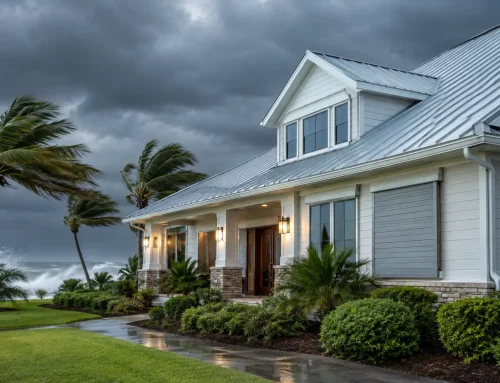
In Missouri, Illinois, and Florida, storms are not a minor factor. They are often the reason a roof that looked fine last season now needs major work. Hail can bruise shingles and knock off granules. Wind can lift, crease, or tear shingles. Flying debris can puncture roofing materials or damage flashing and gutters.
This is one of the most important it-depends situations homeowners face. After a storm, not every roof needs replacement. Some only need targeted repairs. But when storm damage is spread across enough of the roof, repair may not restore the roof’s integrity or appearance, especially if matching materials are unavailable.
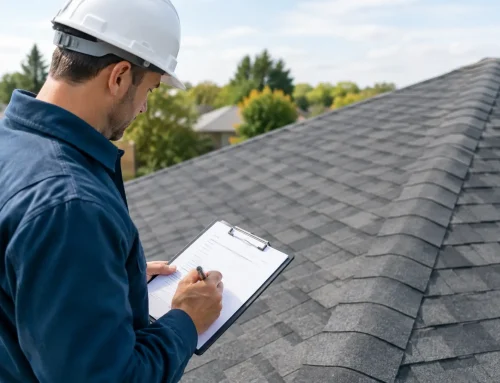
That is also where a professional inspection matters most. Storm damage is not always obvious from the ground, and insurance documentation needs to be accurate. A contractor experienced in restoration can identify the true extent of damage, photograph it properly, and help you understand whether the roof is still a repair candidate or whether replacement is the safer long-term choice.
Missing shingles are not just a cosmetic issue
A few missing shingles might seem manageable, especially if the roof is not currently leaking. But shingles are part of a layered system, and when one piece goes missing, nearby materials become more exposed to wind and water.
If the roof is relatively new and the missing shingles are limited to one area, a repair can make sense. If shingles continue blowing off after storms, or if missing tabs are showing up in multiple sections, the roof may be losing its ability to stay sealed under normal weather conditions.
Repeated shingle loss also raises a bigger question about underlying condition. Sometimes the issue is poor installation. Sometimes the shingles are simply past their useful life. Either way, if the pattern continues, replacement often becomes more reliable than repeated spot fixes.
Granules in gutters often mean the shingles are wearing out
Asphalt shingles shed some granules over time, especially when new. But if you are seeing a heavy buildup of granules in gutters or downspouts on an older roof, that can be a sign the protective surface is breaking down.
Granules help shield shingles from UV exposure and weathering. Once they wear away, the shingle ages faster and becomes more vulnerable to cracking and moisture intrusion. From the ground, this may look like bald spots or inconsistent color across the roof.
This is another sign that should be viewed in context. A small amount of granule loss is not unusual. Significant granule loss on an older roof, especially when combined with cracking, curling, or storm impact, is a strong sign replacement should be on the table.
Sagging means the problem may go beyond the shingles
A sagging roofline is one of the more urgent warning signs because it can point to structural trouble, trapped moisture, or prolonged water damage beneath the roofing material. If a section of the roof appears to dip, bow, or look uneven, do not treat that as a cosmetic concern.
Sometimes the issue is localized decking damage. In other cases, the problem involves rafters, sheathing, or long-term moisture infiltration from repeated leaks. Either way, a sagging roof should be inspected quickly.
Repairs may still be possible if the issue is caught early and confined to a small area. But if sagging is paired with an old roof or widespread deterioration, replacement is often part of the solution. The longer it sits, the more expensive the problem can become.
Moss, algae, and trapped moisture can signal deeper issues
Dark streaks from algae are often more of an appearance issue than a replacement issue by themselves. Moss is different. Moss holds moisture against the roof surface, which can accelerate shingle damage and lead to deterioration over time.
If moss growth is light and the roof is otherwise in good shape, cleaning and maintenance may be enough. But if moisture-related growth is widespread, the shingles are lifting, or the underlying roof feels soft in spots, it may be a sign the roofing system has been compromised.
Attic conditions matter here too. Poor ventilation can trap heat and moisture, shortening roof life from the inside out. Sometimes a replacement recommendation is really about more than shingles – it is about correcting the ventilation and moisture issues that caused premature wear in the first place.
Frequent repairs usually mean the roof is costing you twice
One repair does not mean you need a new roof. Even two repairs do not automatically mean replacement. But if you are calling for roof service after every major storm, patching leaks in new places, or replacing shingles year after year, the math starts to change.
At that point, the question is not just whether the roof can be repaired again. It is whether it should be. Repeated repairs can add up quickly without solving the larger problem, and they can leave you with a roof that still looks inconsistent and still worries you every time the forecast turns bad.
A replacement often makes more financial sense when the roof has multiple failure points, especially if it helps prevent interior damage and restores full protection. For many owners, peace of mind is part of the value too.
How to tell if it is repair or replacement
The best decision usually comes down to four factors: the roof’s age, the extent of damage, whether the problem is isolated or widespread, and whether storm or insurance issues are involved.
A repair may be appropriate when damage is limited, the roof is still fairly young, and the rest of the system is in solid condition. Replacement becomes more likely when the roof is older, damage appears in multiple areas, leaks keep returning, or storm impact has compromised the roof across a large section.
That is why a thorough inspection matters more than guesswork. A dependable contractor should be honest about what they find, explain the trade-offs clearly, and document storm damage carefully if an insurance claim may be involved. At Crown Exteriors LLC, that customer-first approach is part of helping property owners move forward with less stress and more confidence.
If your roof is showing several of these signs, do not wait for the next storm to make the decision for you. A prompt inspection can give you a clear picture of what is happening now, what can wait, and what needs attention before it becomes a much bigger problem.
Related Posts
If you enjoyed reading this, then please explore our other articles below: