
A small roof issue on an apartment property rarely stays small for long. One lifted shingle, a punctured membrane, or flashing pulled loose by wind can turn into interior leaks, tenant complaints, insulation damage, and a much bigger repair bill. That is why an apartment building roof inspection should be treated as preventive maintenance, not a last-minute reaction when water is already coming in.
For property owners and managers, the stakes are different than they are for a single-family home. You are not just protecting a structure. You are protecting occupied units, common areas, budgets, schedules, and resident confidence. A missed problem on a multifamily roof can affect several tenants at once, and when storms are involved, timing matters even more.
Why apartment building roof inspection matters more in multifamily properties
Roofing problems in apartment buildings tend to be more complicated because the structures are larger, drainage systems are more extensive, and access points are often harder to evaluate without the right safety procedures. A leak that shows up in a top-floor unit may have started far from where the water finally appears. Water can travel along decking, insulation, and framing before it becomes visible indoors.
That makes professional inspection valuable even when there is no obvious leak. A trained inspector looks for the early signs that property teams and maintenance staff may not be able to see from the ground. On storm-damaged properties, that inspection also creates the documentation needed to support repairs and, when applicable, help with the insurance process.
For many owners, the question is not whether the roof should be inspected. It is how often, by whom, and what the inspection should actually include.
When to schedule an apartment building roof inspection
There is no one-size-fits-all schedule, but most apartment properties benefit from at least one professional roof inspection each year. In areas that see hail, high winds, heavy rain, or hurricane activity, twice-yearly inspections are often the better standard.
Timing matters. A roof should be inspected after major storms, before and after peak weather seasons, when a building is being bought or sold, and any time leaks, staining, or drainage issues are reported. If your building is older, has had prior repairs, or has a history of recurring moisture issues, more frequent inspections are usually worth the cost.
It also depends on roof type. A steep-slope shingle roof on a smaller apartment building has different failure points than a flat or low-slope roof on a larger complex. Flat roofs often hide problems until ponding water, seam failure, or membrane damage has already progressed. Pitched roofs may show missing shingles sooner, but flashing and underlayment issues can still be missed without a close review.
What a thorough roof inspection should cover
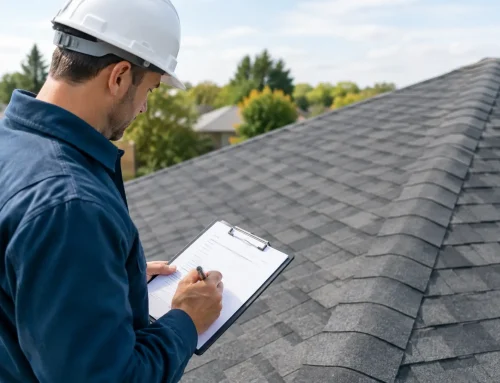
A real inspection is more than a quick look from the parking lot. The roof surface should be evaluated closely, along with the components that most often fail first.
On shingle systems, inspectors typically check for lifted, creased, missing, or bruised shingles, exposed fasteners, granule loss, damaged ridge caps, and flashing separation around penetrations. On low-slope systems, the focus often includes membrane punctures, open seams, blistering, shrinkage, drainage performance, soft spots, and signs of ponding.
The inspection should also review flashing at walls, curbs, vents, skylights, and edge metal, since these transition areas are common leak points. Gutters, downspouts, scuppers, and roof drains matter too. A roof may be in decent condition overall but still fail to protect the building if drainage is blocked or improperly pitched.
Inside the property, attic spaces, top-floor ceilings, and maintenance areas can reveal moisture intrusion, mold risk, staining, or ventilation problems. Sometimes the roof covering is not the only issue. Poor ventilation, aging sealants, or neglected gutter systems can create symptoms that look like roof failure but require a more complete exterior solution.
Storm damage changes the equation
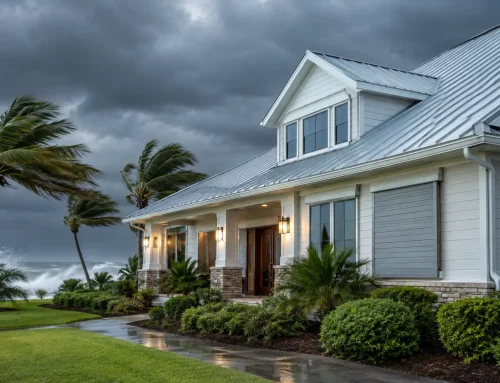
When an apartment building has been hit by hail or strong wind, inspection needs to happen quickly and carefully. Storm damage is not always obvious to someone without roofing experience. Hail can bruise shingles without knocking them off. Wind can loosen materials enough to create future leaks even if the roof still looks mostly intact from the ground.
In those cases, documentation matters almost as much as the inspection itself. Photos, test areas, notes on affected elevations, and a clear explanation of what was damaged can make a major difference if an insurance claim is being considered. This is where working with a contractor who understands storm restoration is especially helpful.
A good inspection after a storm should not jump straight to replacement. It should identify what was damaged, what can be repaired, and whether the roof system has enough widespread impact to justify a larger scope. Honest recommendations build trust and help owners make decisions based on the actual condition of the property.
Common issues found during multifamily roof inspections
Every property is different, but certain problems appear again and again on apartment buildings. Flashing failure is one of the most common, especially around chimneys, vents, HVAC curbs, and wall transitions. Drainage issues are another frequent concern, particularly on low-slope roofs where standing water shortens system life.
Storm-related shingle damage, membrane punctures from foot traffic, clogged gutters, deteriorated sealants, and damage around rooftop equipment also show up regularly. On older buildings, inspectors may find signs of layered repairs that solved the immediate leak but did not address the root cause.
That is important because repeated patching can become more expensive than a well-planned repair or replacement strategy. The cheapest short-term option is not always the lowest-cost decision over the life of the roof.
Why documentation and communication matter
For apartment owners and managers, the inspection report needs to do more than describe the roof. It should help you act. That means clear photos, plain-language findings, and practical next steps.
If repairs are needed, the report should separate urgent issues from maintenance items that can be scheduled later. If storm damage is present, it should document the condition in a way that supports conversations with adjusters and internal stakeholders. If the roof still has useful life left, the inspection should say that clearly too.
Good communication matters just as much with tenants. When roof work affects occupied units, access planning, noise expectations, and timelines need to be handled with professionalism. A contractor that understands multifamily projects can reduce friction by coordinating work clearly and keeping the property safer and cleaner during the process.
Choosing the right inspection partner
Not every roofing company is equipped for apartment building work. Multifamily properties require stronger coordination, more detailed documentation, and often a better understanding of storm claims than a standard residential inspection.
Look for a contractor that is licensed and insured, experienced with both repair and replacement, and comfortable identifying storm-related damage without overstating it. If insurance may be involved, it helps to work with a team that can meet with adjusters, explain findings, and keep the process moving without adding confusion.
This is also where local reputation matters. A dependable contractor should be responsive, direct about what they find, and willing to explain what needs immediate attention versus what can be monitored. Crown Exteriors LLC takes that approach because property owners need clarity, not pressure, especially when weather damage has already created enough stress.
The cost of waiting too long
Delaying an inspection can save money this month and cost far more next quarter. Minor damage tends to spread. Moisture gets into insulation. Decking begins to rot. Interior finishes are affected. Tenants report recurring leaks. Emergency calls replace planned maintenance.
There is also the risk of losing documentation windows after a storm. If hail or wind damage is not identified early, it can become harder to show what happened and when. That creates headaches whether you are budgeting out of pocket or considering a claim.
A timely inspection gives you options. You can schedule repairs before they become urgent, protect residents, and make decisions from a position of control rather than reacting to water coming through a ceiling.
The best time to inspect an apartment roof is before a leak turns into a property-wide problem. If your building has been through recent weather, is showing signs of wear, or simply has not been checked in a while, getting experienced eyes on the roof now can save a great deal of time, expense, and stress later.
Related Posts
If you enjoyed reading this, then please explore our other articles below: