
A commercial roof can look sound from the ground while a small seam failure, backed-up drain, or storm-related puncture is already putting the building at risk. That is why commercial roofing warranties deserve more than a quick glance before a repair or replacement begins. The warranty language tells you what protection you may have after installation, but it also tells you what you must do to keep that protection in place.
For property owners and managers, the goal is not simply to get the longest warranty term printed on a proposal. It is to select the right roofing system, installer, and maintenance plan for the building. A 30-year warranty that excludes the issues most likely to affect your roof may offer less real value than a shorter warranty with clear coverage and dependable workmanship behind it.
The Two Main Types of Commercial Roofing Warranties
Most commercial roof projects involve two separate promises: a manufacturer warranty and a contractor workmanship warranty. They cover different problems, so both matter.
A manufacturer warranty generally covers defects in the roofing materials. Depending on the system, that can include membrane failure, premature deterioration, or issues with factory-produced components. The exact coverage varies widely by manufacturer, product line, roof assembly, and warranty tier. Some warranties cover only replacement materials. Others may cover labor, approved repairs, or certain leak-related failures when the complete system was installed according to manufacturer requirements.
A workmanship warranty comes from the contractor. It addresses installation errors, such as improperly sealed seams, incorrect flashing details, inadequate fastening, or problems created during the roofing work. Even premium materials can fail early if installation details are missed. For that reason, property managers should ask how long the contractor stands behind its labor and how warranty service is requested if a concern develops.
There is also a distinction between a standard manufacturer warranty and a no-dollar-limit, or NDL, warranty. An NDL warranty may provide broader coverage for certain failures of the approved roof system, including labor and materials up to the warranty terms. It is not unlimited protection for every leak or every building condition, despite the name. Read the exclusions, maintenance requirements, and coverage limits before treating it as a complete safety net.
What Commercial Roofing Warranties Often Cover
Coverage depends on the roofing system. TPO, PVC, EPDM, modified bitumen, metal, and coating systems each have their own approved assemblies and warranty standards. A warranty is usually tied to a specific combination of membrane or panels, insulation, adhesives, fasteners, flashings, and installation methods.
When a valid warranty applies, it may cover a material defect or a failure caused by an approved system component. For example, a membrane that prematurely splits under normal conditions could be a manufacturer warranty issue. A leak traced to improperly installed flashing may be covered by the contractor’s workmanship warranty instead.
The key phrase is often normal conditions. Warranties are designed to address product or installation failure, not every event that can damage a roof. Property owners should also understand whether the warranty covers leak investigation, temporary protection, interior damage, business interruption, or only the roof repair itself. In many cases, those additional costs are not included.
What Is Usually Excluded
The exclusions section is where many owners get surprised. Most commercial roofing warranties do not cover damage from hail, high winds, tornadoes, fallen limbs, fire, vandalism, or foot traffic from other trades. Those situations may be handled through commercial property insurance, not a roofing warranty.
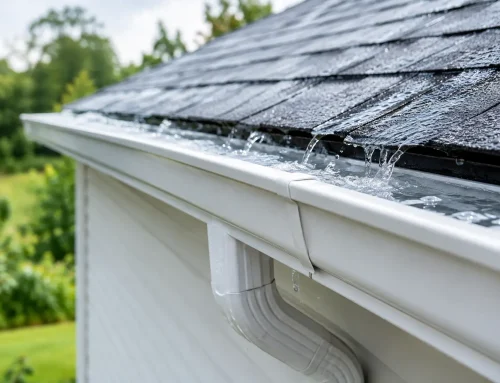
Poor drainage is another common issue. If standing water develops because drains are clogged, gutters are neglected, structural slope is inadequate, or the roof was altered after installation, coverage may be limited or denied. The same is true when rooftop HVAC work, solar installations, antenna work, or unauthorized penetrations damage the system.
A warranty also may not cover pre-existing moisture trapped in the roof assembly, decking deterioration, structural movement, or damage caused by building conditions outside the roofing contractor’s scope. This is why a thorough inspection before replacement matters. Installing a new membrane over hidden substrate problems can create expensive questions later.
Storm damage deserves special attention in Missouri, Illinois, and Florida, where wind, hail, heavy rain, and severe weather can affect commercial properties quickly. A warranty does not replace a storm-damage assessment or insurance claim. After a major event, document visible conditions, protect the property from additional water intrusion, and arrange a professional inspection. Waiting for a small leak to become a ceiling or inventory loss rarely helps anyone.
Questions to Ask Before You Sign
Warranty paperwork should be discussed before the project starts, not handed over after the final invoice. Ask the contractor which manufacturer warranty is available for the proposed assembly and whether the installer is authorized to offer it. Some enhanced warranties require certified installation, inspections, or manufacturer approval before the project is complete.
You should also ask whether the warranty is prorated, whether it transfers if the property is sold, and whether there are fees or deadlines for transfer. Clarify the start date. Is it based on installation completion, manufacturer inspection, or warranty issuance? A difference of a few months can matter on a time-sensitive claim.
Request clear answers on maintenance. Some manufacturers require documented roof inspections, drain cleaning, prompt repairs, or annual maintenance to preserve coverage. Others recommend maintenance without making it a strict condition. Do not assume. Get the requirement in writing and keep the records where the next facility manager can find them.
Finally, ask who will be your first call if a leak appears. The manufacturer may require a formal claim process, while the original contractor may need to inspect the issue first. A responsive local contractor can help identify whether the concern is likely workmanship, material failure, storm damage, or a maintenance issue before valuable time is lost.
How to Protect Your Warranty After Installation
A warranty is strongest when it is supported by good building maintenance. Keep a project file with the signed proposal, product information, warranty certificate, final inspection records, photos, maintenance reports, and invoices for any later roof work. If a claim is needed, these records help establish what was installed and how the roof has been maintained.
Schedule regular roof inspections, especially after severe weather and before seasonal heavy rain. Inspections can catch loose metal edging, open seams, clogged drains, punctures, and damaged sealant before they lead to interior repairs. They also create the maintenance history that many warranty programs expect.
Control roof access as much as possible. HVAC technicians, electricians, satellite installers, and other trades can unintentionally damage a membrane or flashing detail. Require outside vendors to use walk pads where needed, avoid unapproved penetrations, and report any accidental damage immediately. Quick repairs are usually simpler and less costly than a dispute over a leak discovered months later.
If your building experiences storm damage, take photos and contact your insurer promptly. Emergency measures such as professional tarping or temporary repairs can help prevent additional damage, but save all documentation. Crown Exteriors can inspect commercial roofing conditions, document storm-related damage, and help property owners understand the next practical step while protecting the building from further exposure.
Choosing Value Over a Warranty Number
Longer coverage is not automatically better. A 20-year system warranty may be a smart investment for one property, while another building may need a different membrane, better drainage improvements, or a practical repair plan rather than a full replacement. The roof’s age, occupancy, exposure, budget, rooftop equipment, and future ownership plans all influence the right decision.
The best proposal explains the roofing system, the installation scope, the warranty options, and the maintenance expectations in plain language. If something is excluded, you should know before work begins. Honest guidance is especially valuable after a storm, when urgency can make fine print easy to overlook.
Before committing to a commercial roof project, request a detailed inspection and ask to review the warranty terms alongside the scope of work. A clear answer now can prevent a costly misunderstanding when your building needs protection most.
Related Posts
If you enjoyed reading this, then please explore our other articles below: