
A small ceiling stain after a storm can look harmless, especially when it dries out a day or two later. But can roof leaks cause mold? Yes. When water enters through damaged shingles, flashing, vents, or roof penetrations, it can wet insulation, framing, drywall, and ceiling materials where moisture is difficult to see and slow to dry.
That is why a roof leak is more than a cosmetic repair. Acting quickly can protect your home or commercial property, limit restoration costs, and prevent a manageable repair from becoming a larger interior moisture problem.
Can Roof Leaks Cause Mold Inside a Home?
Mold needs moisture, a food source, and time. Many common building materials provide what it needs to grow, including drywall paper, wood framing, carpet backing, and insulation facing. A roof leak supplies the moisture.
Growth can begin within 24 to 48 hours when materials remain wet. That does not mean every leak automatically creates a serious mold issue. A brief leak that is found immediately, repaired, and dried thoroughly may not lead to growth. The risk rises when water enters repeatedly, travels behind walls or above ceilings, or stays trapped in insulation and enclosed cavities.
Roof leaks are especially deceptive because the spot where water appears indoors may be far from the actual roof opening. Water can run along roof decking, rafters, pipes, or electrical pathways before it reaches a ceiling. By the time a stain appears, moisture may have already affected a larger area.
Why Storm Damage Often Leads to Hidden Moisture
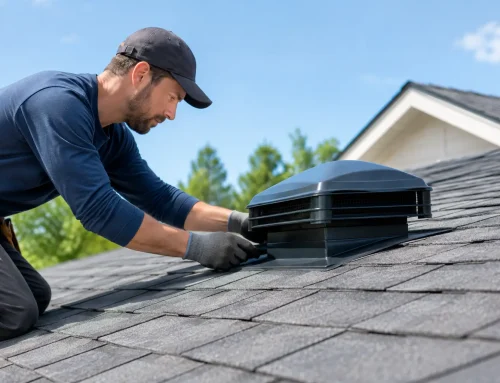
High winds, hail, falling branches, and wind-driven rain can create openings that are not obvious from the ground. A lifted shingle, cracked pipe boot, damaged ridge cap, or compromised flashing can let in enough water to create a recurring leak without causing a dramatic ceiling collapse.
After a storm, homeowners sometimes focus on visible exterior damage, such as missing shingles or dented gutters. Those details matter, but the interior should be checked as well. Look in attics, around ceiling fixtures, near exterior walls, and in closets below roof slopes. A musty odor, discolored drywall, damp insulation, or paint that bubbles or peels can signal moisture where it does not belong.
Commercial property managers face a similar concern on low-slope roofs. Ponding water, failed seams, clogged drains, and damaged rooftop penetrations can allow water into ceiling systems. Because commercial buildings often have larger concealed spaces, a prompt professional inspection is particularly valuable after severe weather.
Signs a Roof Leak May Be Causing Mold
Mold is not always visible as a dark patch on a wall. In fact, visible growth can be a late-stage sign when moisture has been present for some time. Watch for changes that suggest a leak is active or materials have not dried fully.
Common warning signs include a persistent musty smell, yellow or brown ceiling rings, soft or sagging drywall, peeling paint, warped trim, damp attic insulation, or spots that return after you clean them. You may also notice condensation or discoloration near attic vents, skylights, chimneys, or roof-to-wall transitions.
If a stain grows after rain, treat it as an active leak until an inspection shows otherwise. Do not simply paint over it. New paint can hide evidence temporarily, but it will not stop water intrusion or dry materials behind the surface.
What Happens if You Wait Too Long
The longer moisture remains in the structure, the more complicated the repair can become. At first, the work may involve repairing a damaged roofing component and drying a localized ceiling area. If water has soaked insulation, weakened drywall, or affected wood framing, the project may require more extensive restoration.
Delaying also makes it harder to document the cause and timing of storm-related damage. For property owners filing an insurance claim, clear photos, inspection findings, and timely mitigation can help establish what happened. Coverage depends on the policy, the cause of loss, and the insurer’s assessment, so no contractor should promise a specific outcome. Still, taking reasonable steps to limit additional damage is always the right move.
Mold can also affect indoor comfort and air quality. People respond differently to mold exposure, and anyone with health concerns should speak with a qualified medical professional. From a property standpoint, the priority is straightforward: stop the water source, dry affected materials properly, and determine whether professional remediation is needed.
What to Do When You Find a Roof Leak
Start by protecting people and limiting immediate damage. Move furniture, electronics, and valuables away from the affected area. If water is near electrical fixtures or the ceiling is bulging, avoid the area and use caution. A sagging ceiling can hold a surprising amount of water and may fail without warning.
Next, document what you see. Take dated photos and videos of ceiling stains, dripping water, damaged belongings, exterior debris, and any visible roof damage you can safely photograph from the ground. Keep notes about when the storm occurred and when you first noticed the issue. This information can be helpful if you need to speak with your insurance carrier.
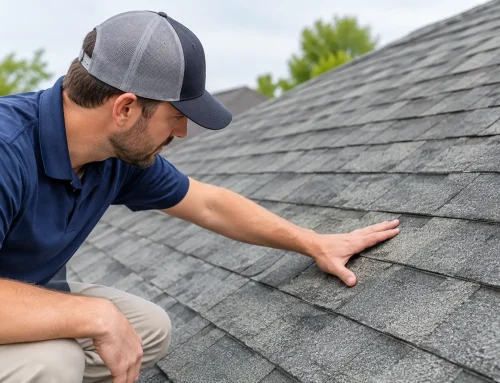
Then schedule a professional roof inspection as soon as possible. A qualified roofing contractor can identify likely entry points, assess storm damage, and explain whether emergency tarping or immediate repairs are appropriate. If moisture has reached interior building materials, drying and remediation professionals may also need to evaluate the area.
Avoid climbing onto a wet or storm-damaged roof yourself. Loose shingles, hidden soft spots, and slippery surfaces create a real fall risk. It is also best not to use caulk, tar, or a temporary patch as a substitute for a proper inspection. A short-term patch can sometimes reduce water entry, but it may also conceal the source or redirect water into another part of the structure.
Repairing the Roof Is Only Part of the Solution
Stopping the leak is essential, but it is not the full job if interior materials are wet. The affected area needs to be evaluated and dried. In some cases, this may mean removing soaked insulation or damaged drywall so trapped moisture does not remain behind the finished surface.
The correct approach depends on the size of the leak, how long it has been active, the materials involved, and whether there is visible or suspected mold growth. A minor, recent leak may need limited drying and repair. A long-term leak around a chimney, skylight, or roof valley may require roofing repairs plus interior restoration. An honest inspection should distinguish between what is confirmed, what is suspected, and what needs further evaluation.
For storm-related losses, Crown Exteriors can inspect the roof, document the damage, and help property owners understand the next steps in the insurance claim process. The goal is not to create unnecessary work. It is to identify the real source of the problem and help prevent more damage while repairs are coordinated.
Preventing Mold After a Roof Leak
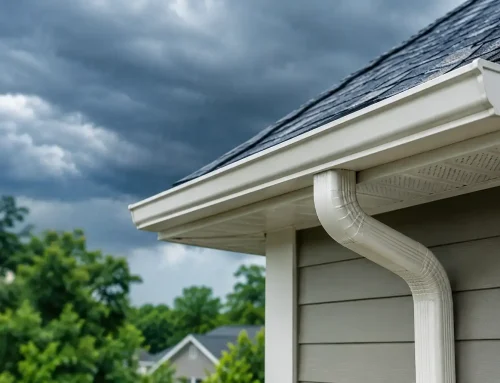
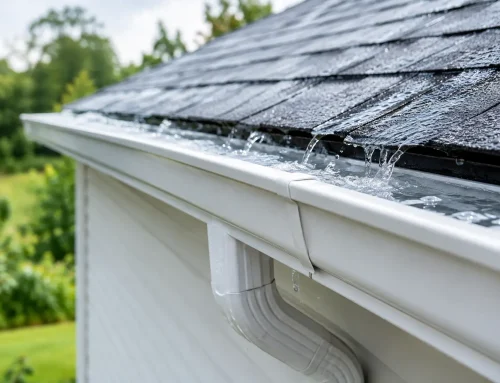
The best prevention is early detection. Check your attic after heavy rain, particularly if your roof is older or your property recently experienced hail or high winds. Keep gutters and downspouts clear so water can move away from the roofline, and address damaged shingles, flashing, and sealants before the next storm tests them.
Regular inspections are also a practical investment. Not every roof needs replacement after a storm, and not every leak requires a major project. A careful inspection can separate minor maintenance needs from damage that requires prompt repair or insurance documentation.
If you see a new water stain, smell mildew, or suspect storm damage, do not wait for the next rainfall to confirm your concern. A timely inspection can give you clear answers, protect your property, and help keep a small leak from becoming a much larger problem.
Related Posts
If you enjoyed reading this, then please explore our other articles below: